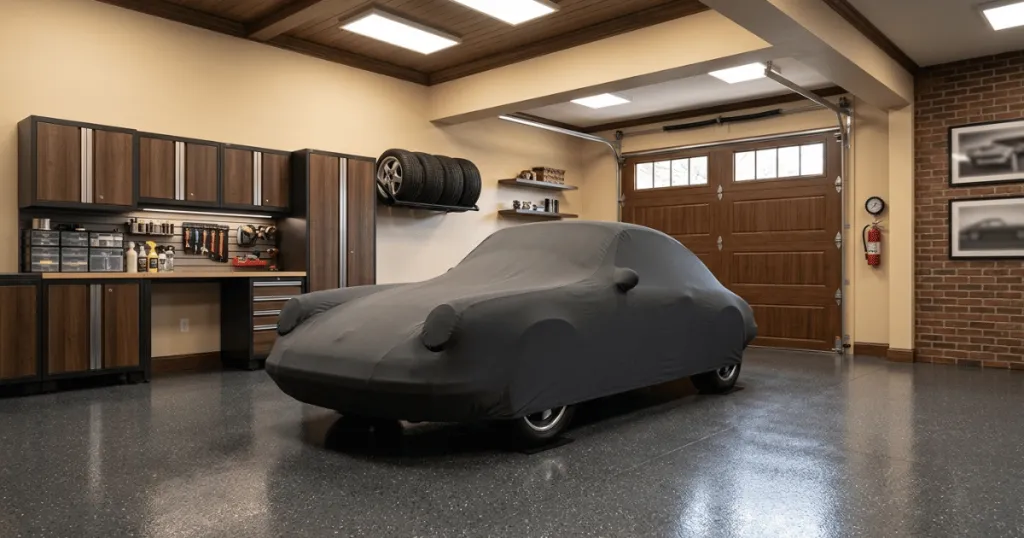
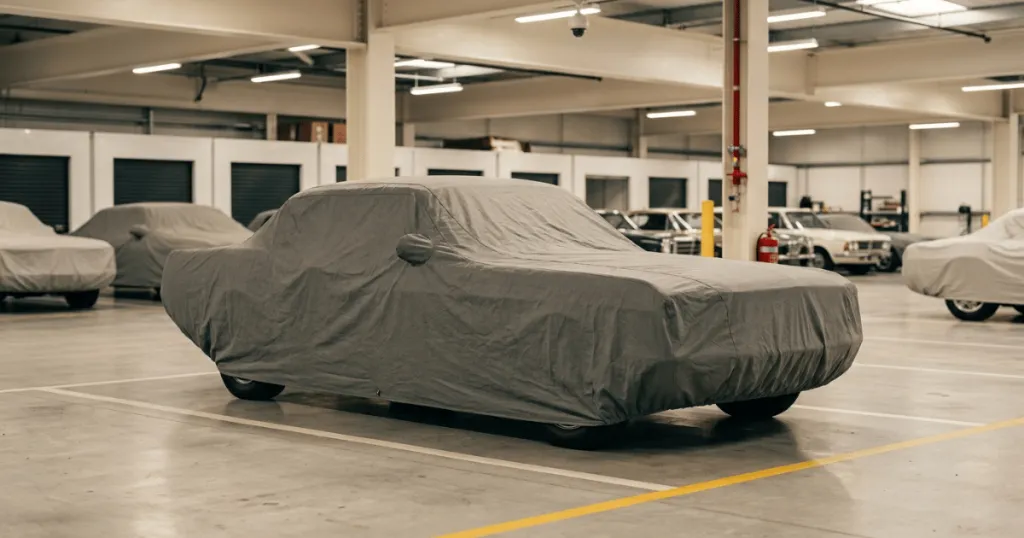
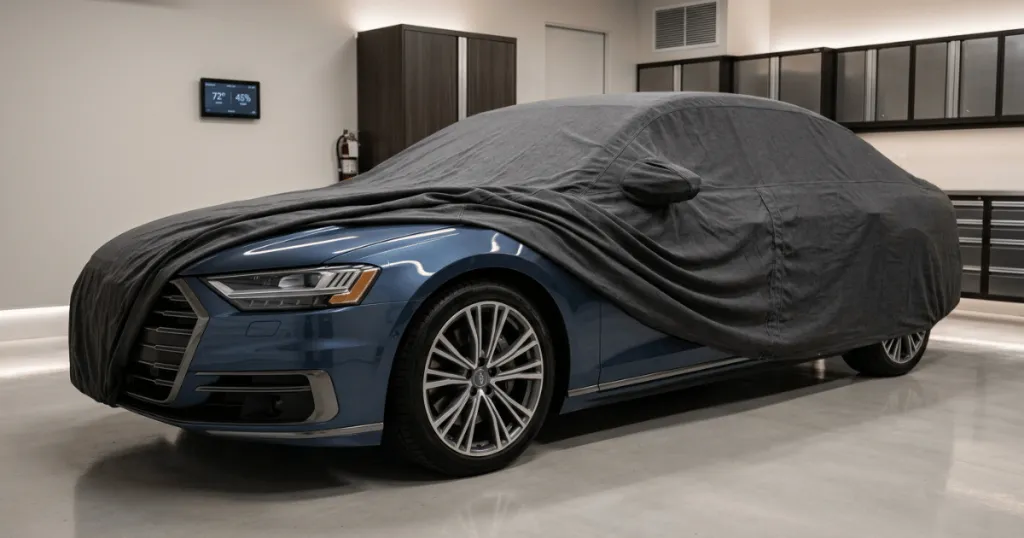
Leaving a vehicle in an exposed area for extended periods presents a unique set of challenges for any owner. Whether you are using a long-term airport lot, an apartment complex space, or an open driveway, the lack of overhead shelter means your vehicle is constantly vulnerable to environmental stressors. An open lot parking car cover serves as your primary line of defense against these elements, but not every cover is designed to withstand the rigors of an unsheltered environment.
Selecting the right protection involves understanding how specific materials and construction methods interact with constant exposure. Because you are not parking in a garage, you must prioritize features that go beyond simple dust protection. The goal is to create a reliable barrier that remains secure during wind events while preventing moisture buildup that could damage your paint or exterior trim over time.
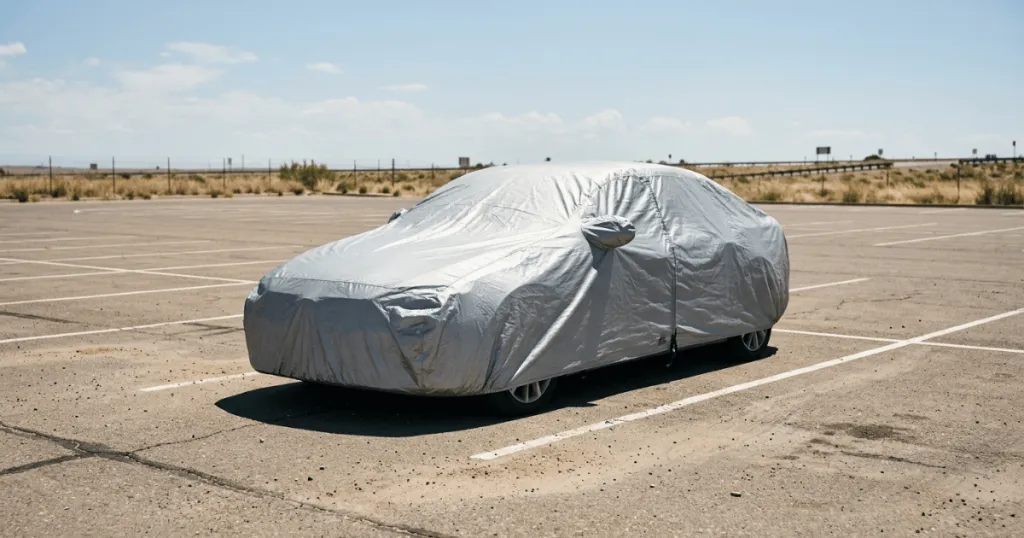
Factors to Consider for an Open Lot Parking Car Cover
When your vehicle sits in an open lot, it faces a combination of direct sunlight, precipitation, and airborne contaminants. These factors dictate the necessary specifications for your cover.
UV Resistance and Heat Management
Direct sunlight is the most persistent threat to an exterior finish. Prolonged exposure to ultraviolet rays causes clear coat degradation, fading paint, and premature cracking of plastic trim or rubber seals. A high-quality cover for open lots must feature a reflective or UV-treated outer layer to bounce solar radiation away from the vehicle surface. This prevents the interior from reaching extreme temperatures, which helps preserve dashboard materials and leather upholstery.
Moisture Management and Breathability
Many owners mistakenly believe that a waterproof cover is the best solution for outdoor parking. While you need protection from rain, the cover must also be breathable. If moisture becomes trapped between the fabric and the paint, it creates a greenhouse effect that can lead to mold, mildew, or cloudy paint spots. A proper outdoor cover uses multi-layer technology to allow water vapor to escape from underneath while blocking liquid water from penetrating the top surface.
Wind Resistance and Secure Fitment
Open lots are often susceptible to high wind gusts that can lift or shift a loose-fitting cover. If a cover flaps against the paint, it acts like sandpaper, causing micro-scratches over time. Look for covers that include heavy-duty elastic hems at the front and rear, as well as integrated grommets for tie-down straps. These features ensure the cover remains taut against the vehicle body, minimizing movement even during significant weather events.
Real-World Context for Exposed Storage
The specific environment of your open lot significantly influences your choice of materials and maintenance routines. Understanding the difference between various parking scenarios helps you tailor your protection strategy.
Airport and Long-Term Commuter Lots
In airport or commuter lots, your vehicle may sit untouched for weeks or months. In these scenarios, security and ease of installation are paramount. You need a cover that is lightweight enough to fold quickly but durable enough to handle weeks of continuous exposure. Because you are not there to monitor the vehicle, ensure the cover has a secure locking mechanism to prevent theft or unauthorized removal.
Apartment and Driveway Parking
Parking in a residential open lot often exposes your vehicle to different risks, such as tree sap, bird droppings, and neighborhood debris. These contaminants are acidic and can etch into clear coat if left to bake in the sun. A cover in this environment acts as a sacrificial layer that you can wash periodically. Because you have easier access to the vehicle, you can remove the cover more frequently to inspect the finish and clean off any accumulated dust or organic matter.
Why Proper Protection Matters
Investing in a dedicated open lot parking car cover is essentially an investment in the long-term resale value and aesthetic integrity of your vehicle. When a car sits exposed, the cumulative damage is often invisible until it is too late to reverse. Paint oxidation and rubber rot are expensive to repair, and they significantly diminish the appearance of a well-maintained car.
Beyond the financial aspect, using a cover provides peace of mind. Knowing that your vehicle is shielded from sudden summer storms or harsh winter sun allows you to store it with confidence. It also reduces the frequency of necessary car washes, as the cover keeps the exterior clean and free from the layer of grime that typically accumulates on vehicles parked in open lots.
Common Misconceptions About Outdoor Covers
A frequent error is the assumption that a heavy, thick canvas cover provides the best protection. In reality, modern synthetic fabrics are often superior because they are lighter, easier to handle, and dry much faster after a rainstorm. A heavy, water-logged canvas cover can be difficult to remove and may actually hold moisture against the paint for too long.
Another misconception is that a universal-fit cover is sufficient for all outdoor needs. While universal covers are accessible, they rarely provide the snug fit required to prevent wind-induced abrasion. A semi-custom or custom-fit cover is almost always a better choice for an open lot because it follows the contours of your specific vehicle, reducing the amount of excess fabric that can catch the wind and flap against your paintwork.
The Role of Material Science in Outdoor Protection
Not all fabrics are created equal when it comes to outdoor performance. High-end covers often utilize non-woven polypropylene or multi-layer composite materials. These engineered fabrics are designed to balance water repellency with high breathability. A key indicator of quality is the presence of a soft, non-abrasive inner lining. Even if the outer shell is rugged to withstand hail or heavy rain, the inner layer must be gentle enough to protect the delicate automotive paint from friction during installation or removal.
Furthermore, consider the climate-specific needs of your region. In areas with high humidity, a cover with superior moisture-wicking properties is essential to prevent the formation of mildew. In desert environments, the focus should shift toward extreme heat reflection and high-denier fabrics that resist degradation from intense, year-round solar radiation. Understanding these material trade-offs allows you to select a cover that aligns with your local weather patterns rather than relying on a one-size-fits-all solution.
Installation and Maintenance Best Practices
Even the most advanced open lot parking car cover requires proper handling to perform as intended. Before installing the cover, ensure the vehicle surface is relatively clean. While a cover protects against environmental debris, trapping grit or sand under the fabric can lead to surface scratches. If the vehicle is covered in thick dust or mud, a quick rinse or wipe-down is recommended before securing the cover.
When securing the cover, pay attention to the tension of the straps. Over-tightening can cause unnecessary stress on the fabric or the vehicle trim, while under-tightening leaves the cover vulnerable to wind lift. Periodically checking the security of the cover, especially after a storm, is a vital part of long-term storage maintenance. If the cover becomes soiled, follow the manufacturer’s cleaning instructions, which usually involve mild soap and water rather than harsh detergents or machine washing, to preserve the water-repellent coating.
Conclusion
Choosing an open lot parking car cover requires a balanced approach. You must prioritize UV stability, breathability, and a secure fit to ensure your vehicle remains protected against the unpredictable nature of an unsheltered environment. By focusing on these core performance criteria, you can effectively shield your vehicle from the most common environmental hazards, ensuring it stays in excellent condition regardless of where you park.
FAQ
Can I use an indoor cover for open lot parking?
No. Indoor covers are designed for dust protection and do not have the UV resistance, water repellency, or wind-securing features required for an open lot parking car cover.
How often should I remove the cover to check the vehicle?
If your vehicle is parked in an open lot, it is a good practice to remove the cover every two to three weeks to inspect for moisture buildup, clean off any debris, and ensure the paint remains in good condition.
What should I do if my cover gets wet during a storm?
Allow the cover to air dry completely while it is still on the vehicle if possible, or remove it and hang it up to dry. Never store a wet cover inside a trunk or storage bag, as this will lead to mold and mildew growth.
Are there specific features to look for regarding theft prevention?
Yes, look for covers that include integrated grommets for a cable and lock kit. This allows you to secure the cover to the vehicle, making it much more difficult for someone to remove it without the key.