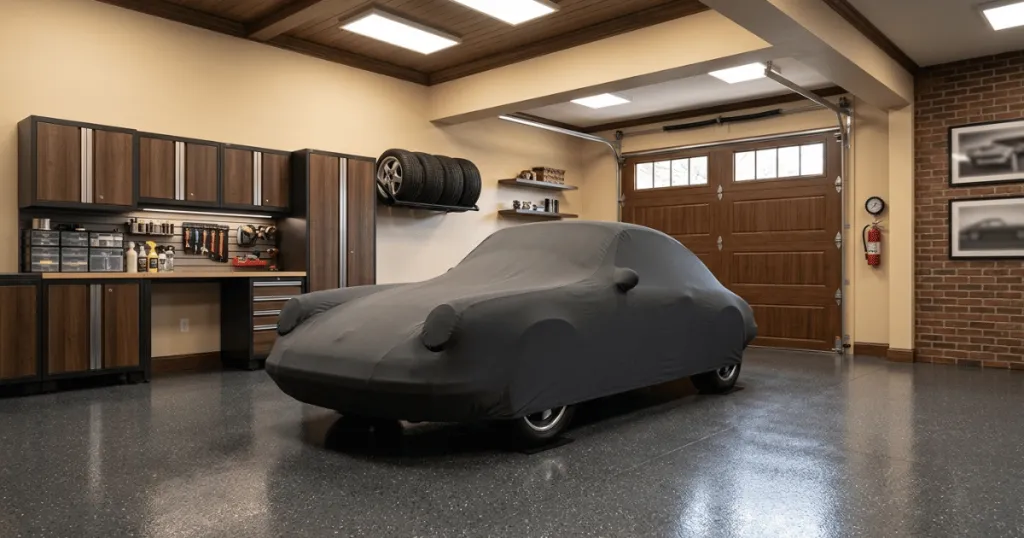
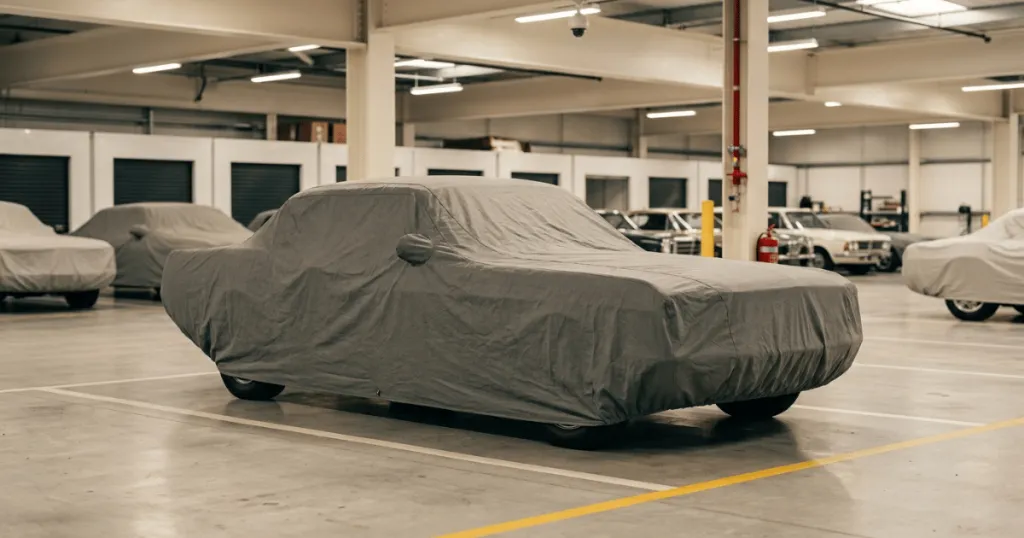
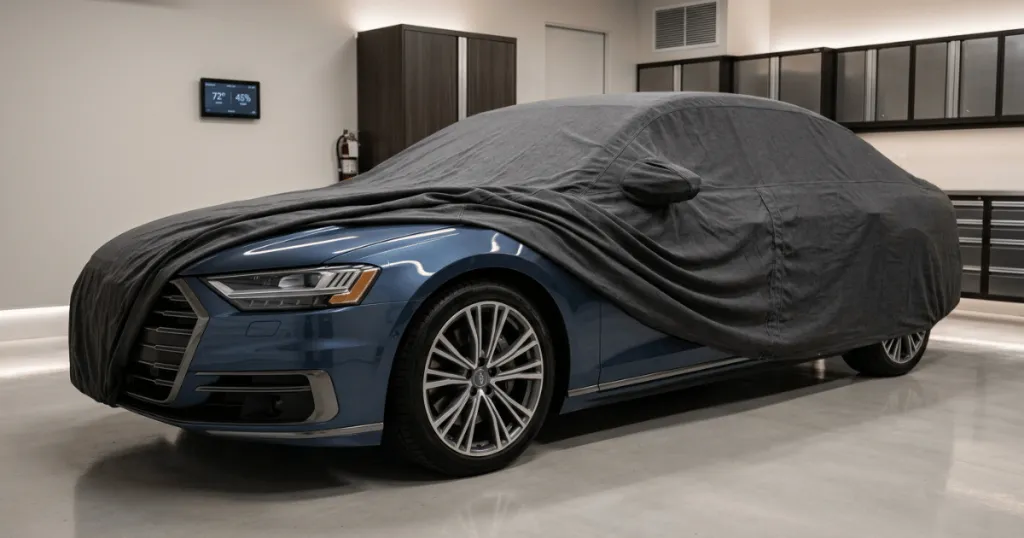
Leaving a vehicle unattended in an open-air lot or long-term garage often prompts car owners to look for extra protective measures. A common assumption is that any standard tarp will suffice for travel protection, as long as it covers the paint and glass. In practice, long-term outdoor storage at a busy transit hub exposes vehicles to unique environmental factors that basic covers fail to handle safely. Selecting an airport parking car cover requires balancing security, weather resistance, and proper ventilation to ensure your vehicle remains pristine while you are away.
When travelers park their cars for a week or a month, they frequently underestimate how punishing airport environments can be. Unlike residential drivehouses tucked into quiet suburban neighborhoods, commercial aviation hubs feature high levels of airborne industrial fallout, constant vehicle traffic, and wide-open expanses that catch fierce crosswinds. Understanding these unique pressures helps travelers choose an outdoor vehicle cover for travel that prevents environmental harm rather than accidentally causing it through poor fit or trapped humidity.
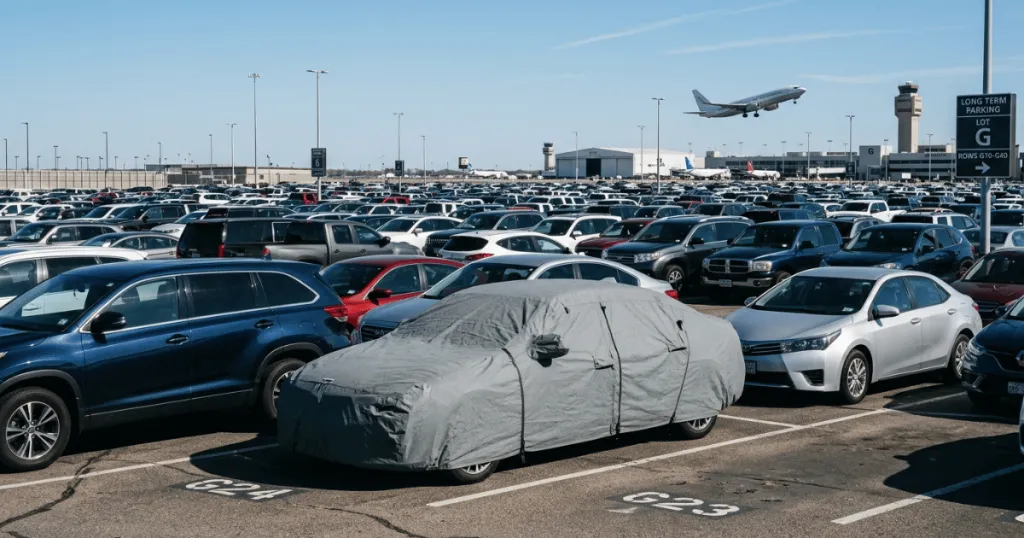
Why Standard Tarps Fall Short for Long-Term Terminal Storage
Terminal parking structures and surface lots subject vehicles to environmental stressors that differ significantly from everyday residential driveway storage. Standard plastic tarps lack the breathability needed for extended periods under fluctuating outdoor temperatures. When moisture becomes trapped beneath a non-porous sheet, solar heating bakes that humidity directly into the clear coat, causing permanent chemical staining.
Jet fuel residue, airborne particulate matter, and heavy dew combine to create a corrosive film on parked vehicles. Without a specialized cover designed for extended outdoor exposure, this acidic grime etches into the paint finish over a week of neglect. A dedicated airport parking car cover features multi-layer fabric technology that blocks fine soot while still allowing trapped vapor to escape safely into the ambient air. Furthermore, generic blue tarps often lack proper UV resistant car cover properties, meaning intense solar radiation breaks down the plastic material itself, leaving behind a powdery residue stuck directly to your vehicle’s paintwork.
Key Features to Evaluate in an Airport Parking Car Cover
Choosing the right textile and design for travel storage means looking beyond basic waterproof claims. You must evaluate how the material interacts with intense ultraviolet radiation, high winds, and physical contact with neighboring vehicles in cramped lots.
Ultraviolet Protection and Solar Reflection
Open-air long-term lots offer zero shade, baking vehicles in direct sunlight for ten to twelve hours a day. An effective cover must feature UV inhibitors woven into the outer thread or a reflective metallic coating to bounce solar energy away from the cabin. Without this barrier, leather seats crack, dashboards warp, and clear coats degrade prematurely while your flight is still in the air. Utilizing a reliable solar reflection strategy prevents cabin temperatures from soaring to extreme levels, protecting sensitive electronics and interior dash adhesives from melting or failing during extended heatwaves.
Breathability and Moisture Management
Morning temperature drops create heavy condensation on metal surfaces, especially in coastal or humid airport regions. If your chosen cover traps this moisture, mildew blooms on exterior rubber seals and water spots etch the paint. Woven polyester or multi-layer polypropylene textiles allow trapped humidity to evaporate naturally, preventing moisture accumulation during multi-week trips. Proper moisture management ensures that condensation buildup does not linger against the body panels, keeping the paint healthy even during prolonged rainy spells at the terminal.
Secure Wind Mitigation Systems
Gusts sweep across open tarmac and elevated parking decks with surprising force, turning loose fabric into an abrasive sander against your paint. A reliable travel cover includes heavy-duty elastic hems, built-in grommets, and a secure underbody strap system. These features keep the material locked tightly against the chassis even when strong storms hit the lot. Utilizing wind tie-down straps is essential because loose fabric flaps rapidly in high winds, wearing down corner paint edges and causing micro-scratches across the hood and trunk.
Logistical Realities of Using a Cover in Busy Travel Lots
Applying and removing vehicle protection in a crowded terminal facility involves practical challenges that require forethought. Tight parking stalls leave minimal clearance to walk around your vehicle, making quick installation essential before you rush to catch your flight. When you return from a tiring trip, wrestling with a massive, tangled fabric sheet in the dark or in freezing rain can test your patience if you are unprepared.
Packing the bulky fabric back into its storage bag after a trip can be messy if the exterior collected terminal dust and dew. Our advice is to pack a lightweight microfiber towel in your trunk to quickly wipe down the interior side of the cover if it picks up moisture while bundled up. Storing the folded cover in a breathable duffel bag prevents musty odors from developing inside your trunk while you drive home. Planning your installation method ahead of time ensures that securing your long-term airport parking car protection takes only a few minutes, leaving you calm and on schedule for your flight.
Preventing Paint Damage and Security Complications
Improper use of any protective shell creates risks that defeat the purpose of using an airport parking car cover in the first place. Fine dust particles resting on your car’s paint before installation will act like sandpaper under shifting winds, scratching the clear coat across your entire hood and roof. This friction hazard is especially severe in dusty airport environments where jet blast and ground traffic constantly stir up fine mineral grit.
Always wash your vehicle or at least rinse away heavy surface grit before departing for the terminal. Furthermore, ensure your license plate remains visible if local airport security regulations require unobstructed views for automated lot surveillance cameras. Choosing a cover with a clear plastic rear window pocket satisfies security requirements without exposing your rear bumper to the elements. Security personnel in airport garages appreciate unobstructed plate views, and maintaining this visibility prevents automated parking systems from failing to scan your entry ticket or license plate upon exit.
Making the Right Choice for Your Travel Storage Needs
Selecting the ideal airport parking car cover comes down to matching your vehicle’s exposure level with the right fabric durability and security features. If your car sits under direct sunlight for weeks at a time, prioritize high solar reflectivity and reinforced strap channels. By focusing on breathability, snug fit, and paint safety, you ensure your vehicle stays protected until you return from your trip.
Weighing the investment in a dedicated terminal parking car cover against the cost of professional paint correction or interior detailing reveals clear long-term savings. Vehicles left exposed to tarmac exposure suffer cumulative damage that accelerates wear and ruins resale value. By taking the time to prepare your car properly and securing a durable, breathable outdoor shield, you ensure reliable vehicle security and peace of mind while traveling far from home.
FAQ
Will an airport parking car cover get stolen while I am away?
Theft of a secured airport parking car cover is rare, especially if you use a cable lock and grommet kit that threads beneath the vehicle chassis. Most parking facilities also feature security patrols or surveillance cameras that deter tampering.
Should I wash my car before putting on an airport parking car cover?
Yes, always remove loose dirt, bird droppings, and abrasive grit before installing your cover. Trapping debris beneath the fabric combined with wind movement will scratch your clear coat during long-term storage.
Can I use a universal cover or do I need a custom fit for airport parking?
While universal covers work in a pinch, custom or semi-custom fit options perform much better in windy airport lots because they eliminate loose fabric flapping that causes paint abrasion.