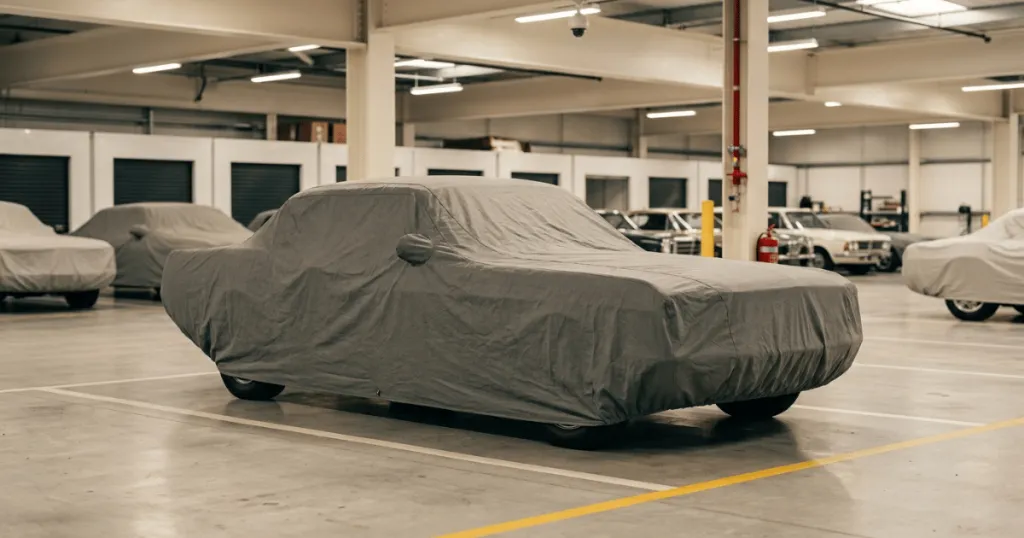
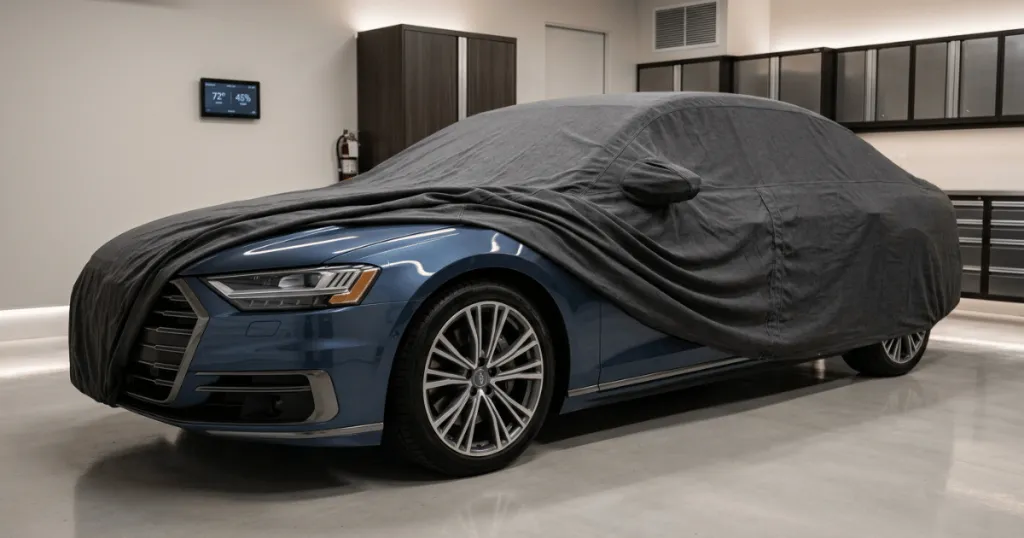
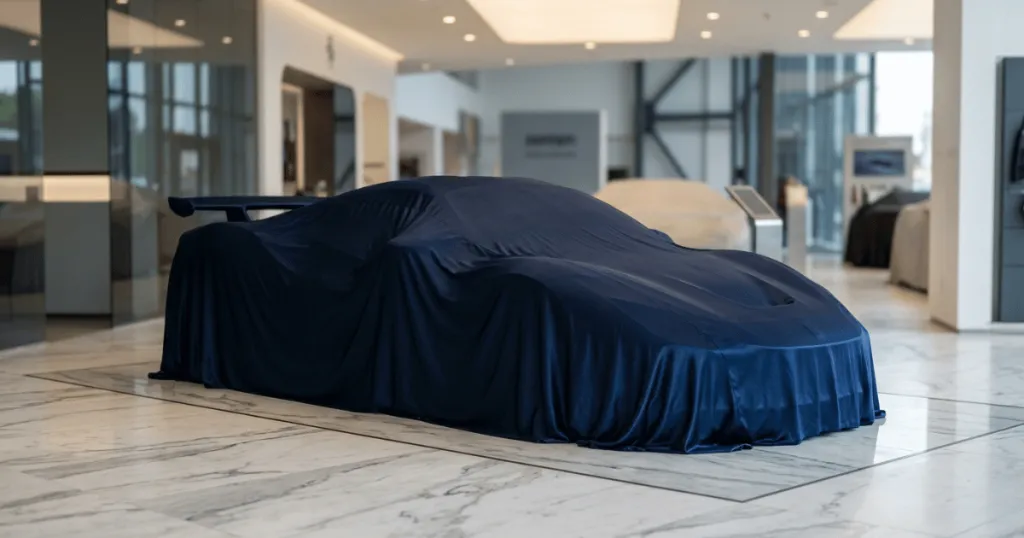
Many vehicle owners assume that parking indoors eliminates the need for any vehicle shielding at all. After all, a roofed structure successfully keeps out torrential rain, harsh UV rays, and heavy snowstorms. However, keeping a vehicle parked inside an enclosed space introduces a completely different set of environmental challenges that can compromise your paint finish over time. Fine particulate matter, accidental contact in tight spaces, and shifting humidity levels all take a quiet toll on idle vehicles.
This is where a specialized garage storage car cover becomes an invaluable addition to your vehicle maintenance routine. Unlike heavy multi-layer shields designed to battle severe outdoor storms, indoor variants focus heavily on breathability and gentle surface contact. Understanding how these indoor protectors function helps you safeguard your paintwork during extended periods of inactivity.
Understanding the Real Threats to Indoor Parked Vehicles
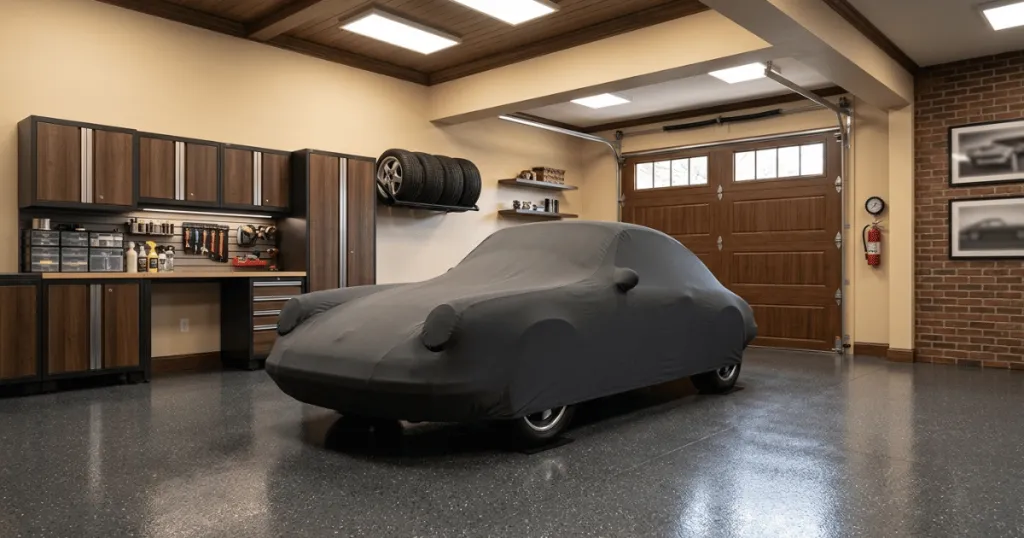
Even the cleanest home garage accumulates fine airborne dust, pollen, and microscopic grit every time the overhead door opens. Over weeks or months, this debris settles directly onto the clear coat. When combined with minor air currents or casual brushing against the vehicle, that abrasive dust acts like fine sandpaper, leaving micro-scratches across the paint surface. Beyond abrasive dust, indoor parking spaces present physical hazards from everyday foot traffic, stored household gear, and bicycles. A slip of the hand while carrying a box or a rogue bicycle handlebar can instantly ruin a pristine fender. An indoor shield creates a physical buffer that absorbs minor impacts before they reach the metal.
Many drivers overlook the chemical risks present in a shared or active garage environment. Aerosol sprays, lawn care chemicals, sweeping compounds, and residual exhaust fumes can settle on an unprotected vehicle body. Over time, these chemical deposits bond with the paint, creating dull spots or localized etching that requires professional correction. Using an indoor shield intercepts these airborne contaminants before they settle into the delicate clear coat layers.
Key Factors to Evaluate in a Garage Storage Car Cover
Choosing the right shield for an indoor space requires looking beyond basic sizing to examine fabric construction, breathability, and ease of handling. Indoor textiles do not need waterproof membranes, and in fact, heavy waterproof coatings trap ambient moisture inside an indoor enclosure. Here are the core factors that deserve your attention before making a selection.
Fabric Breathability and Moisture Vapor Transmission
Breathability stands as the single most critical feature of any indoor shield. Garages frequently experience temperature fluctuations that cause condensation to form on cold metal surfaces. A breathable woven or non-woven textile allows trapped moisture vapor to escape continuously rather than condensing against the paint. If moisture gets trapped beneath a non-porous sheet, it can permanently cloud or etch sensitive clear coats during long periods of storage. Prioritizing proper moisture vapor transmission ensures that your vehicle stays dry even when weather shifts cause rapid humidity spikes inside the building.
Softness and Non-Abrasive Interior Linings
Because an indoor shield rests directly against the vehicle for weeks or months, the texture of the inner lining matters immensely. Premium indoor textiles feature a plush, fleece-like brushed underside that glides smoothly over the car body. This soft backing prevents friction marks and protects delicate vintage lacquers, modern ceramic coatings, and polished trim from rubbing wear. Selecting a cover with a genuine non-abrasive lining prevents the formation of swirl marks that often plague vehicles stored under rough, unlined canvas or generic cotton sheets.
Custom Fit Versus Universal Sizing
Fit dictates how well the shield performs its primary guarding duties. Universal options rely on elastic hems and loose sizing brackets, which often leave excess fabric flapping or bunching up in drafts. Custom-tailored options hug every contour of your specific make and model, including mirror pockets and spoiler contours. A snug fit eliminates loose material that might catch on passing objects or rub against the paint during minor air movements. A custom fit car cover also looks neater in a residential garage setting, maximizing available floor space around the vehicle.
Real-World Scenarios and Practical Applications
Different indoor storage environments demand specific considerations regarding how you shield your vehicle. A dusty multi-family apartment garage presents different challenges than a climate-controlled collector car showroom or a weekend-only home workshop. Examining these real-world contexts ensures you apply the right protection strategy.
High-Dust Residential Garages and Workshops
If your parking stall doubles as a woodworking shop or sits near high-traffic home storage areas, airborne sawdust and drywall grit pose constant risks. In these environments, prioritize a tightly woven dust-barrier textile that prevents fine particles from migrating through the weave. A heavier non-woven fabric also offers better resistance against accidental impacts from tools or yard equipment stored nearby. Pairing this physical defense with a regular cleaning schedule prevents particulate accumulation from turning into a destructive abrasive paste.
Long-Term Seasonal Storage Environments
When tucking a vehicle away for several months of winter or summer storage, anchoring and security become paramount. Ensure the vehicle is thoroughly washed and completely dry before applying your shield to avoid sealing in trapped contaminants. Adding a cable lock through the built-in grommets helps keep the textile securely positioned throughout extended periods of inactivity. Effective long term car storage requires treating the vehicle surface as a clean slate before encasing it for months on end.
Common Misconceptions About Indoor Vehicle Protection
Many vehicle owners mistakenly believe that any old sheet or heavy outdoor tarp will suffice for indoor use. Old cotton bedsheets quickly absorb ambient garage humidity and transfer lint directly onto the car finish, while heavy-duty outdoor tarps completely suffocate the vehicle by locking out all airflow. Another common myth is that washing a car before covering it for the winter is unnecessary since it sits inside. In reality, leaving microscopic road grime or brake dust on the paint under a snug shield for months invites chemical etching.
Another frequent misunderstanding involves the use of plastic sheeting or drop cloths as makeshift vehicle protectors. Plastic materials lack any capacity for moisture dissipation, meaning the first drop in temperature will cause heavy condensation to pool directly on the roof and hood. This trapped water leads directly to oxidation on exposed metal components or spotting on modern paint systems. Investing in a proper indoor dust cover for car use eliminates these risks by utilizing engineered fabrics designed specifically for static indoor environments.
Why Interior Protection Matters for Your Paint Finish
Maintaining the integrity of your car finish preserves both the visual appeal and the long-term value of the vehicle. Clear coats are surprisingly vulnerable to mechanical friction and chemical degradation when exposed to neglect over time. Using a dedicated garage storage car cover minimizes the need for aggressive paint correction, frequent detailing, and premature clear coat restoration.
Taking this proactive step requires minimal daily effort yet yields substantial preservation benefits. By preventing dust accumulation and shielding against accidental contact, you ensure your vehicle remains in showroom condition year-round. Thoughtful indoor storage preparation lets you uncover a pristine, ready-to-drive vehicle whenever the season demands it.
Evaluating Material Types for Indoor Car Protection
Different fabric compositions offer distinct advantages depending on your garage environment and vehicle type. Woven polyester blends provide excellent tear resistance and durability while maintaining high breathability rates. Polypropylene non-woven materials excel at filtering out microscopic dust particles, making them ideal for garages that experience high foot traffic or woodworking debris. Understanding how these textile properties interact with your specific parking area ensures you select a reliable vehicle storage solution that performs well year after year.
When shopping for an indoor cover, look closely at the weight ratings specified by manufacturers. Extremely lightweight fabrics are easy to fold and store, but they offer virtually no defense against accidental bumps from bicycles or shelving units. Conversely, ultra-heavy fabrics can be cumbersome to pull over the vehicle solo. Finding a balanced weight tier provides effortless daily handling alongside robust physical protection for your prized investment.
Managing Condensation and Humidity in Enclosed Spaces
Even within a protected garage, environmental moisture levels fluctuate based on weather patterns, open garage doors, and seasonal changes. Uninsulated metal structures are particularly prone to rapid temperature drops overnight, which draws ambient moisture directly onto cold vehicle surfaces. An effective indoor parking defense relies on continuous airflow through the fabric weave to evaporate moisture before it can settle into pools on horizontal panels.
To maximize the performance of your breathable car cover, ensure there is adequate clearance around the perimeter of the parked vehicle for air to circulate freely. Avoid packing storage boxes or high-moisture items like firewood or wet garden hoses directly against the covered vehicle. Maintaining a clean, organized garage space enhances the effectiveness of your paint preservation efforts and keeps unexpected moisture issues at bay.
FAQ
Can I use an outdoor car cover inside my garage?
Using an outdoor cover indoors is generally discouraged because heavy waterproof membranes trap ambient humidity and restrict airflow, which can lead to moisture condensation on the paint surface. A breathable garage storage car cover is specifically engineered to let moisture vapor escape while blocking dust.
How often should I wash my car before putting it in indoor storage?
You should always give your vehicle a thorough wash and dry immediately before applying a garage storage car cover. Trapping dust, pollen, or road salt underneath the fabric for weeks or months can cause micro-scratches or chemical degradation to the clear coat.
Are custom-fit covers worth the extra cost for indoor use?
Custom-fit covers contour precisely to your vehicle’s exact body dimensions, eliminating loose fabric flaps that can catch on passing items or rub against the paint during air currents. For long-term indoor preservation, a precision fit offers superior defense against accidental dings.