

Understanding the Car Cover Cable Lock Loop for Vehicle Security
Learn how the car cover cable lock loop works to secure your cover against theft...
Most people learn about car covers the wrong way, after buying one that didn't work as expected. A cover gets tossed on a dusty car, or left on through a rainstorm it wasn't rated for, and the owner walks away thinking car covers just don't do much. That reaction is understandable, but it usually comes down to a handful of basic misunderstandings rather than the product itself.
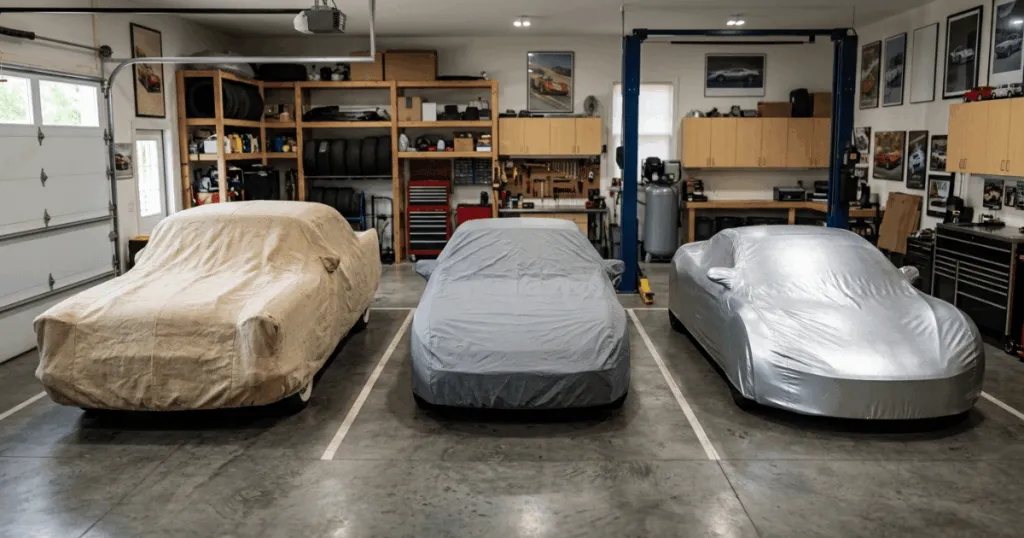
A car cover is not a single, one-size-fits-all item. It is a category of protective gear that ranges from lightweight dust covers meant for a closed garage to heavy-duty, multi-layer covers built to survive months of outdoor exposure. Understanding what a car cover actually does, how it is built, and where its limits are makes the difference between a cover that earns its price and one that ends up folded in the trunk after two uses.
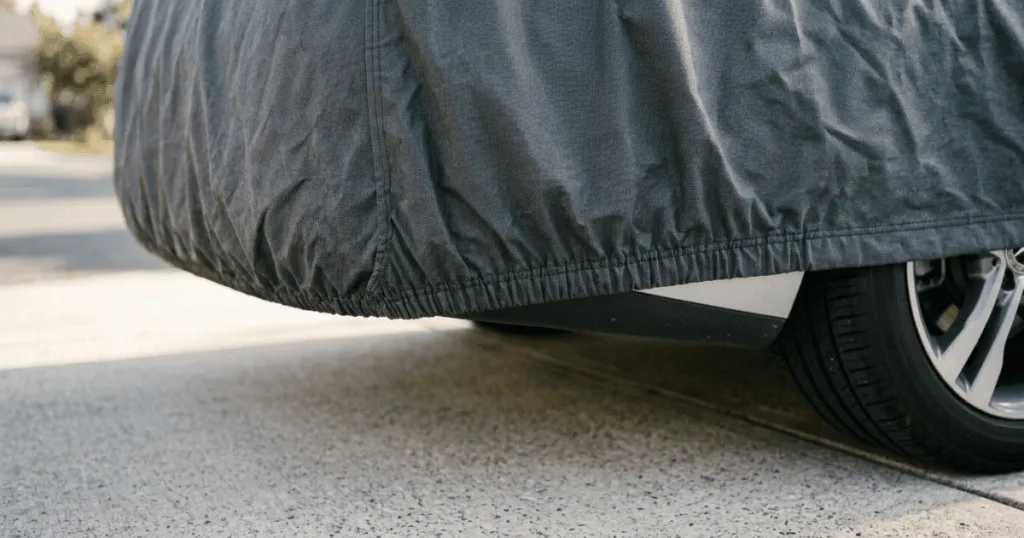
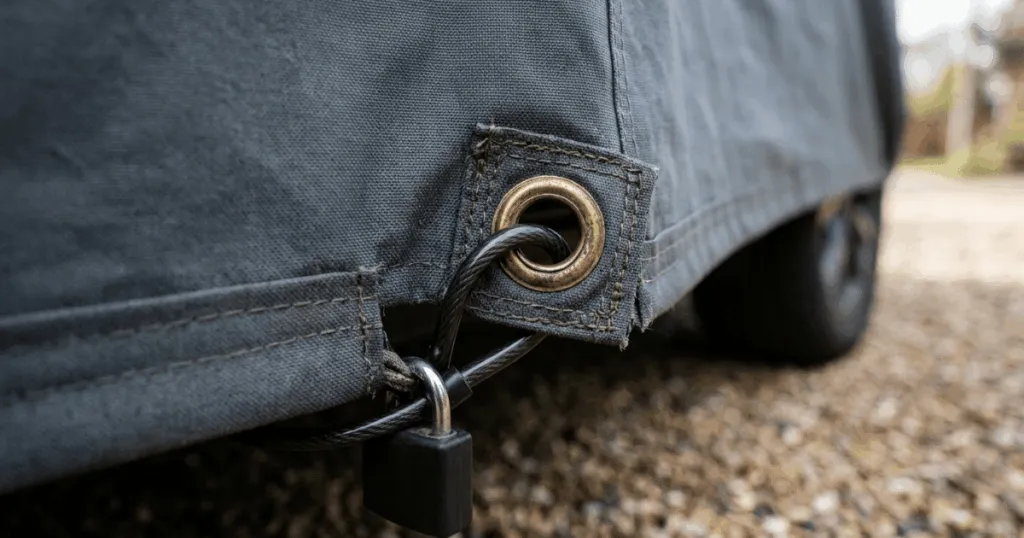
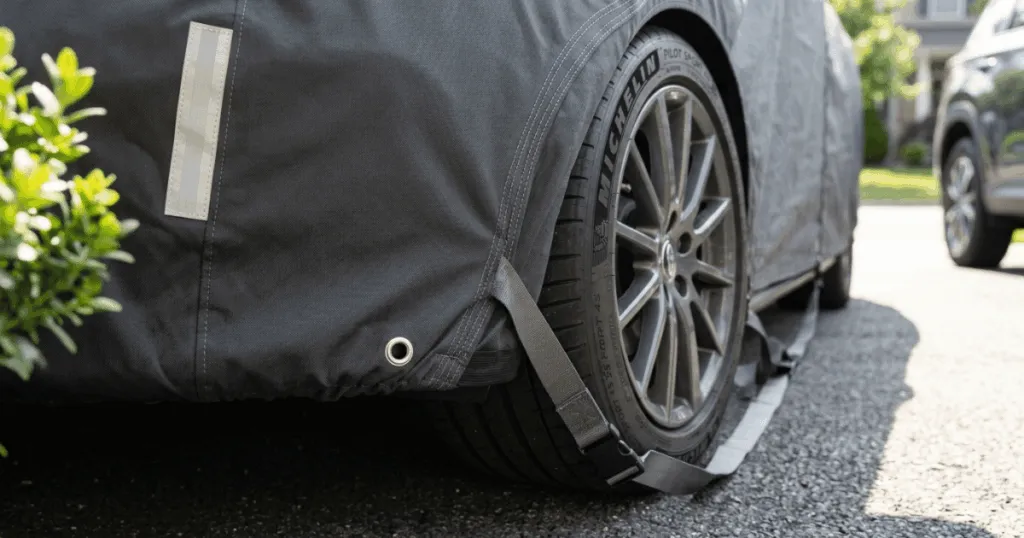
This section exists to clear up that confusion before you even get to buying guides or product comparisons. You will find straightforward explanations of what a car cover is, why people use one, what it genuinely can and cannot protect against, and how the different parts of a cover, like grommets, mirror pockets, and elastic hems, actually function together. We also address some of the more persistent myths, such as the idea that any cover will scratch your paint, or that covering a car is pointless if you already park in a garage.
None of this requires an engineering background to understand. It just requires clear, honest information, the kind that comes from actually using these products on a real vehicle, in real weather, over years of trial and error.
This section covers the foundation first: what a car cover actually is and how it works, followed by an honest look at its real benefits and its genuine limitations, since no product is perfect for every situation. From there, you'll find a short history of how car cover materials have evolved, a breakdown of the parts that make up a modern cover, like grommets and mirror pockets, and a dedicated FAQ collection answering the specific questions owners ask most often, from whether covers cause rust to whether they're worth using on a daily driver.

Yes, at least the fundamentals. A buying guide can point you toward a specific product, but understanding basic terms like breathability or fit type helps you judge whether that recommendation actually fits your situation, rather than taking it purely on faith.
Not always, but the reasons change. Outdoor parking calls for weather and UV protection, while indoor or garage parking is more about dust, minor scratches, and keeping a vehicle clean between uses.