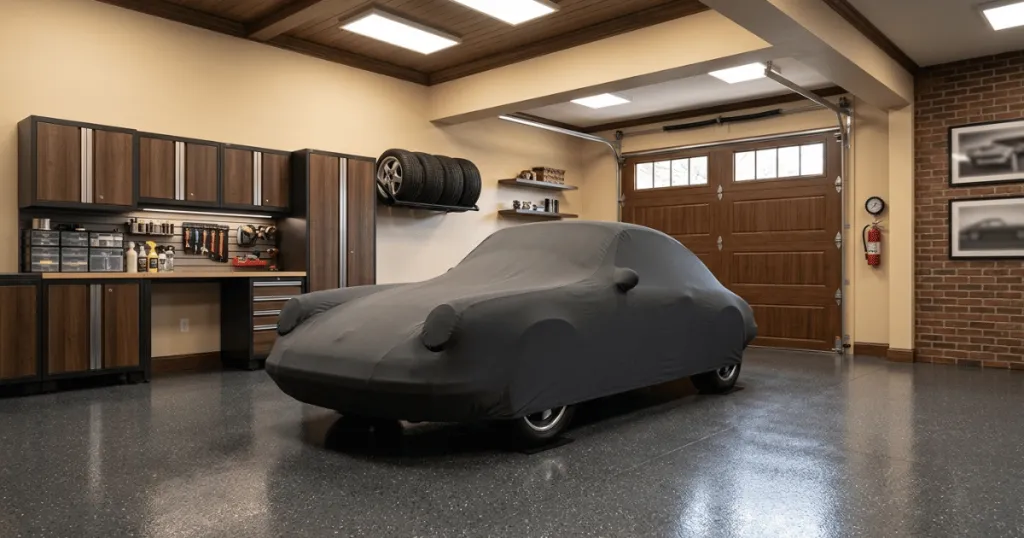
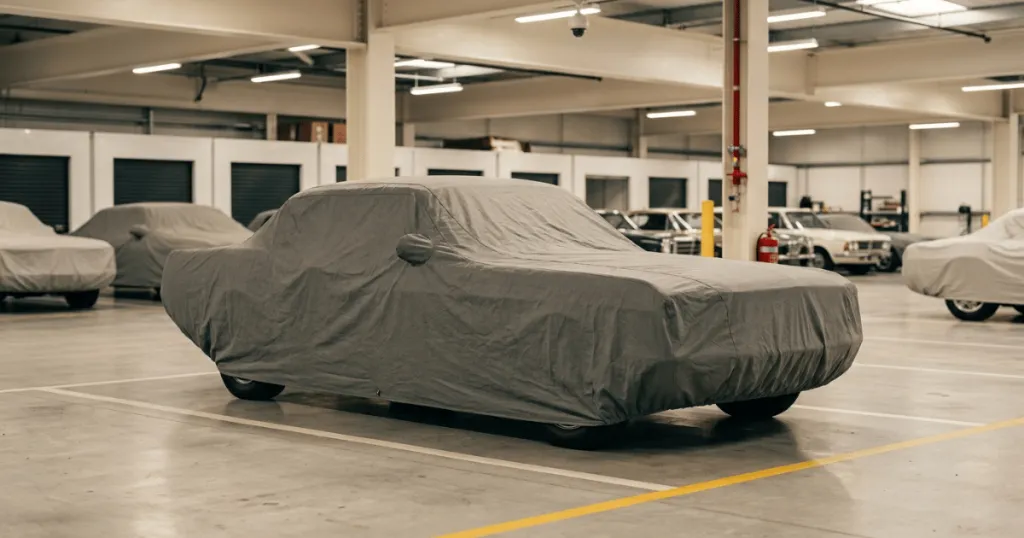
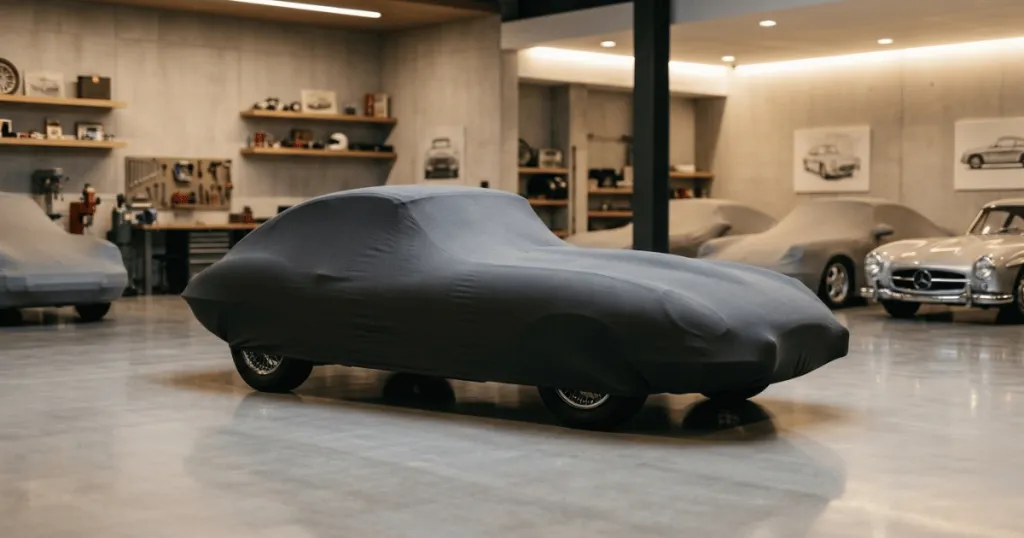
When a vehicle sits parked in an enclosed garage or a storage bay, it faces a silent hazard that many owners overlook. While outdoor parking brings rain, direct sunlight, and tree sap, indoor storage introduces a different set of atmospheric challenges centered around trapped water vapor and shifting dew points. This is where a humidity control car cover becomes an essential line of defense. Unlike standard dust sheets or basic waterproof tarps, these specialized covers are engineered to manage air circulation and moisture evaporation, preventing the exact kind of damp microclimate that accelerates rust and ruins collector interiors.
Understanding how trapped moisture interacts with painted metal surfaces explains why standard barriers often fail indoors. When concrete garage floors release moisture upward, warm daytime air inside the building absorbs that vapor. As temperatures drop overnight, that moisture settles on the coldest available surface, which is usually the metal body panels of your car. If a traditional plastic or tightly sealed fabric barrier blocks that moisture from escaping, it condenses against the paint, creating a prolonged wet environment. A humidity control car cover disrupts this cycle by balancing breathability with targeted vapor regulation.
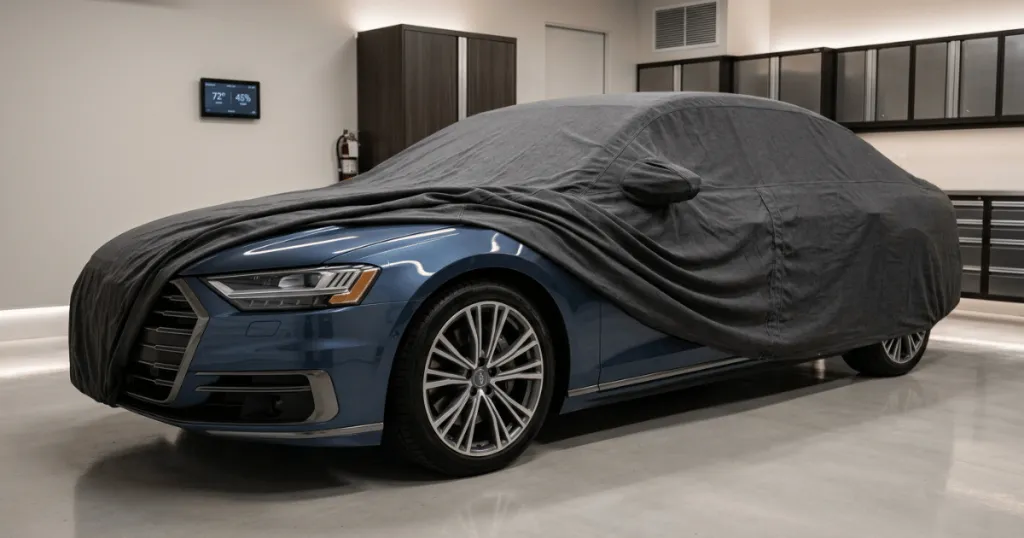
Why Moisture Accumulates Under Standard Car Covers
Many vehicle owners assume that putting any protective layer over a car guarantees safety from environmental decay. In reality, wrapping a vehicle in a non-porous material inside a humid garage can cause more harm than leaving it uncovered. To understand how to protect your investment, you need to examine the physical mechanisms that drive garage dampness and how different materials react to water vapor.
The Role of Concrete Slab Transpiration
Concrete slabs are porous, meaning they continuously absorb moisture from the ground below and release it upward into the garage air. This invisible vapor rises directly beneath your parked vehicle, creating a concentrated zone of high relative humidity right under the chassis and lower body panels. When a standard non-porous cover traps this rising vapor, the humidity level under the fabric spikes far above the ambient room humidity. Over time, this stagnant moisture attacks brake rotors, exhaust systems, and underbody frame rails.
Temperature Fluctuations and Dew Point Drop
As daytime temperatures rise and fall, the air inside an uninsulated garage shifts rapidly. Metal body panels take longer to adjust to these temperature swings than the surrounding air. When warm, moisture-laden air contacts a cold fender or roof panel, the moisture reaches its dew point and liquid water condenses directly onto the paint. A high-performance humidity control car cover allows this condensation to evaporate harmlessly through microscopic pores before it can pool and bond with airborne pollutants.
The Myth of Total Waterproofing Indoors
Waterproofing is vital for outdoor storage where heavy rainfall and direct precipitation are constant threats. Indoors, however, heavy waterproof layers become a liability because they lack breathability. Without continuous airflow, any ambient moisture that sneaks beneath the hem gets permanently trapped against the clear coat. True humidity control relies on moisture vapor transmission rates rather than absolute liquid exclusion.
Core Technologies Found in Modern Humidity Control Covers
Engineering a cover capable of managing water vapor requires advanced textile manufacturing. Rather than relying on a single sheet of heavy material, modern humidity control options utilize multi-layer composite fabrics designed to filter air while repelling microscopic droplets.
Micro-Porous Membranes and Vapor Transfer
The foundation of effective moisture management is a breathable micro-porous film laminated between protective outer and inner layers. These microscopic pores are small enough to block dust motes and liquid condensation droplets from the outside, yet large enough to let individual water vapor molecules escape from underneath. This one-way vapor release prevents the localized humidity spikes that cause paint blistering and chrome pitting.
Advanced Spunbond and Multi-Layer Composites
Manufacturers often combine layers of spunbond polypropylene or polyester to create a fabric that balances softness with structural integrity. The inner layer resting against the vehicle paint must be exceptionally smooth to prevent micro-scratching during installation and removal. Meanwhile, the outer layers provide enough structural heft to resist sagging and maintain a uniform air gap around the vehicle contours.
Vapor Corrosion Inhibitors and Chemical Treatments
Some specialized storage covers incorporate volatile corrosion inhibitors embedded directly into the fabric weave. These compounds release invisible, odorless vapors that form a microscopic protective layer over all exposed metal surfaces. This dual approach of physical moisture management and chemical passivation offers maximum protection against oxidation during long periods of seasonal storage.
Real-World Scenarios and Storage Applications
Different storage environments place unique demands on vehicle protection materials. Selecting the right cover requires matching its moisture-handling capabilities to your specific geographic climate and building construction type.
Uninsulated Metal and Pole Barns
Pole barns and detached metal buildings experience extreme temperature swings because they lack thermal insulation. On crisp spring or autumn mornings, frost or heavy condensation frequently forms on the inside of the roof and drips down. A humidity control car cover with a water-resistant outer shell shields the vehicle from overhead drips while simultaneously venting out the damp ground vapor rising from the dirt or gravel floor.
Subterranean and Basement Garages
Underground parking structures and basement garages often suffer from chronic high humidity and poor cross-ventilation due to their below-grade location. Vehicles parked in these environments are prime candidates for mold growth on leather seats and steering wheels. A breathable fabric cover combined with an active dehumidifier in the room keeps the microclimate under control and stops interior mustiness before it starts.
Coastal and High-Salt Regional Garages
Proximity to the ocean introduces airborne salt particles that settle on vehicles even inside enclosed structures. When combined with high humidity, salt acts as an aggressive catalyst for rust. A high-density fabric cover blocks salt dust from settling into panel gaps while ensuring that salt-laden moisture does not remain trapped against vulnerable body seams.
Why Managing Interior and Exterior Humidity Matters
Ignoring localized humidity under a car cover leads to rapid degradation that extends far beyond cosmetic paint damage. When moisture remains trapped against a vehicle for weeks at a time, it systematically compromises multiple automotive systems.
Electrical connectors, fuse boxes, and onboard computers are particularly vulnerable to chronic dampness. Microscopic condensation can seep into wiring harnesses, causing corrosion at the terminal pins and triggering intermittent electrical faults that prove difficult to diagnose. Furthermore, high cabin humidity promotes mold spores on fabric headliners, seat bolsters, and carpeting, which ruins interior materials and leaves a permanent musty odor.
Investing in a dedicated humidity control car cover safeguards your vehicle’s structural integrity and preserves its resale value. Preventing oxidation on frame rails, suspension components, and brake assemblies saves you from expensive mechanical repairs down the line. It ensures that when you finally peel the cover back for a weekend drive, the car is in the exact same pristine condition as the day you parked it.
Common Misconceptions About Indoor Moisture and Covers
Many vehicle owners rely on outdated advice or incorrect assumptions when choosing how to store their cars. Dispelling these myths helps you make better decisions for your garage setup.
A frequent error is believing that wrapping a car in heavy plastic sheeting provides ultimate protection against damp air. In reality, plastic creates a greenhouse effect that traps all ambient humidity and accelerates corrosion the moment temperatures rise. Another common misconception is that indoor vehicles do not need covers at all. While indoor cars avoid UV rays, they still accumulate abrasive dust and airborne chemical residues that interact with garage moisture to etch clear coats.
Some owners also assume that any breathable cotton sheet will suffice. While cotton breathes well, it readily absorbs moisture from the air, holding dampness directly against the paint surface rather than repelling it. True humidity control fabrics use synthetic engineered fibers designed to shed liquid while actively releasing vapor.
Making the Right Choice for Your Stored Vehicle
Selecting and using a humidity control car cover requires balancing environmental realities with proper garage maintenance habits. Start by evaluating your local climate and the specific moisture levels in your storage space throughout the changing seasons. If your garage floor feels damp or your windows frequently fog up, prioritize a cover with high vapor permeability and pair it with adequate room ventilation.
Always ensure the vehicle is thoroughly clean and completely dry before installation. Trapping dirt or wetness under any cover defeats the purpose of advanced fabric technology. By combining a quality humidity control car cover with sensible garage habits, you establish a reliable defense system that keeps your vehicle protected against the unseen threat of moisture damage.
FAQ
Can I use an outdoor waterproof cover inside a humid garage?
Using a heavy outdoor waterproof cover indoors is generally discouraged because it lacks breathability. It will trap rising floor moisture and condensation against the paint, creating a damp microclimate that promotes rust and mold.
How often should I remove my car cover during long-term storage?
It is best to remove the cover every few weeks to inspect the vehicle, check for any signs of moisture accumulation, and let the interior air out completely before recovering.
Do I still need a humidity control car cover if my garage has a dehumidifier?
While a room dehumidifier dramatically lowers ambient humidity, a breathable cover still provides valuable protection against settling dust, accidental scratches, and localized drafts near concrete floors.