Vehicle owners often wonder how long an exterior protective shield will hold up against harsh weather before breaking down. The car cover lifespan depends entirely on the intersection of material engineering, local climate intensity, and daily handling habits. A quality barrier purchased for outdoor storage rarely lasts forever under relentless sun and moisture. Knowing what drives wear and tear helps prevent unexpected rips and keeps paint safe.
Understanding how physical and environmental forces degrade textile structures over time allows vehicle owners to set realistic expectations for their protective gear. Rather than viewing an exterior shield as a permanent installation, treating it as a consumable maintenance item changes how you approach storage choices, material selection, and seasonal upkeep.
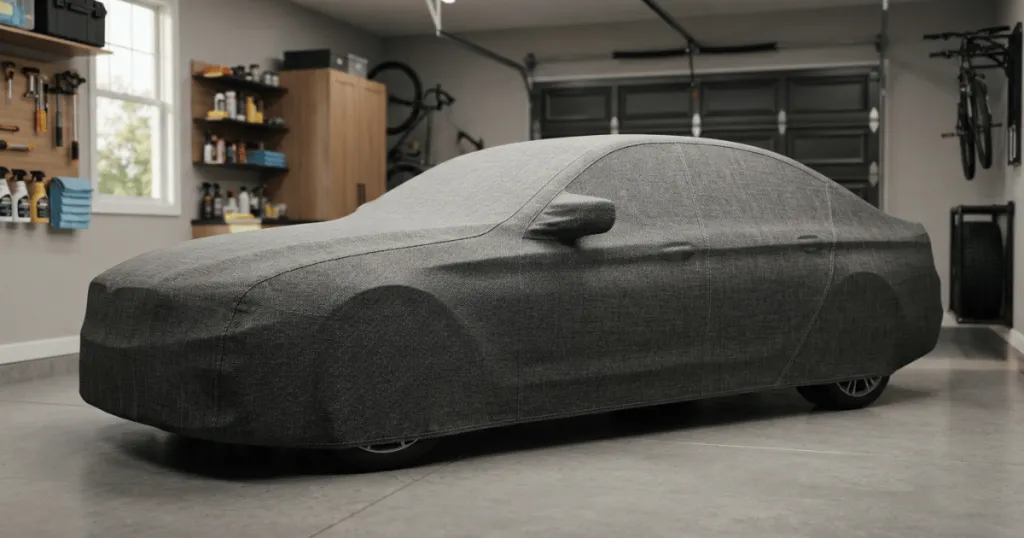
What Drives The Car Cover Lifespan In Real-World Use
Many distinct elements dictate how many seasons a vehicle shield will survive. Without proper context, shoppers often assume a higher price guarantees indefinite durability. In practice, environmental exposure and material science dictate the actual timeline of fabric degradation.
Ultraviolet Radiation And Solar Degradation
Solar rays represent the single most destructive force affecting car cover lifespan. Constant exposure to intense sunlight breaks down synthetic polymer chains in fabrics like polyester and polypropylene. Over time, the material loses tensile strength, becoming brittle and prone to tearing along stress points like mirrors and roof edges. Unprotected fabrics left in desert or southern US climates often degrade within two seasons.
When ultraviolet radiation penetrates untreated or poorly treated threads, it alters the molecular structure of the polymer. This process, often referred to as sun rot, strips the fabric of its elastic recovery. Once the material loses this flexibility, minor tensions from wind or handling cause immediate micro-fractures in the weave. These fractures multiply rapidly, turning small stress zones into significant tears that compromise the entire protective barrier.
Moisture Retention And Atmospheric Pollution
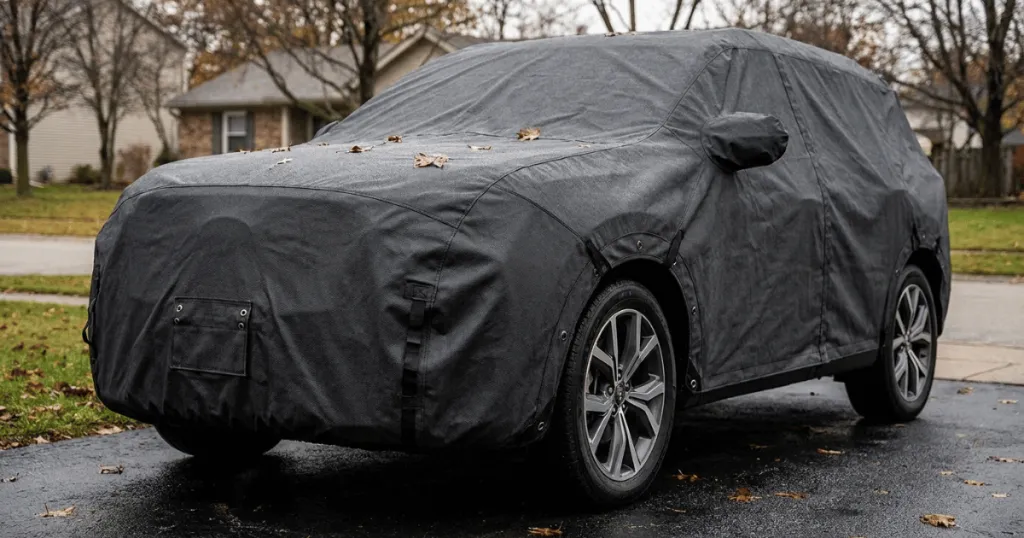
Rain, morning dew, and industrial fallout create chemical challenges for vehicle covers. When moisture becomes trapped underneath a non-breathable barrier, it softens paint clear coats and accelerates mold growth on the fabric underside. Acid rain and airborne particulate matter also embed themselves into woven fibers, gradually rotting the thread and reducing the overall structural integrity of the cover.
Atmospheric pollutants add an abrasive chemical element to daily storage. Industrial soot, urban smog, and tree sap settle onto the exterior surface, acting as catalysts for material breakdown when combined with high humidity. If moisture cannot escape through specialized breathable fabric construction, it pools against the clear coat. This stagnant microclimate damages both the vehicle finish and the inner lining of the shield.
Physical Friction And Handling Wear
The mechanical action of pulling a heavy fabric on and off the vehicle introduces continuous abrasion. Wind whip makes things worse by causing loose fabric to slap aggressively against the car paint, rubbing away protective coatings at high-stress seams. Storing a damp or dirty cover in a rough trunk space further accelerates micro-abrasions that shorten operational utility.
Handling habits directly dictate whether a shield reaches its maximum potential durability or fails prematurely. Dragging the fabric across asphalt during installation introduces microscopic grit into the weave. This trapped debris acts like sandpaper every time the wind moves the cover, wearing down the thread count and thinning critical impact areas long before environmental factors take their toll.
Material Differences And Expected Durability Tiers
Fabric composition remains the most critical factor influencing longevity. Single-layer universal designs serve light indoor duties well, but outdoor environments demand multi-layer engineered textiles with specialized treatments.
Single-Layer PEVA And Basic Polyester
Basic single-layer materials offer lightweight handling but severely restricted longevity. These entry-level options typically survive six months to one year under direct outdoor exposure before sun rot sets in. They work well for garage-kept classics or temporary indoor dust defense, but they lack the heavy-duty UV inhibitors needed for year-round driveway parking.
While affordable, these single-layer options lack internal reinforcement layers. When subjected to daily temperature swings, the material expands and contracts rapidly without structural support. This constant movement fatigues the polymer matrix, resulting in rapid thinning and sudden failure under moderate wind loads.
Multi-Layer Woven Polypropylene And Weather-Resistant Blends
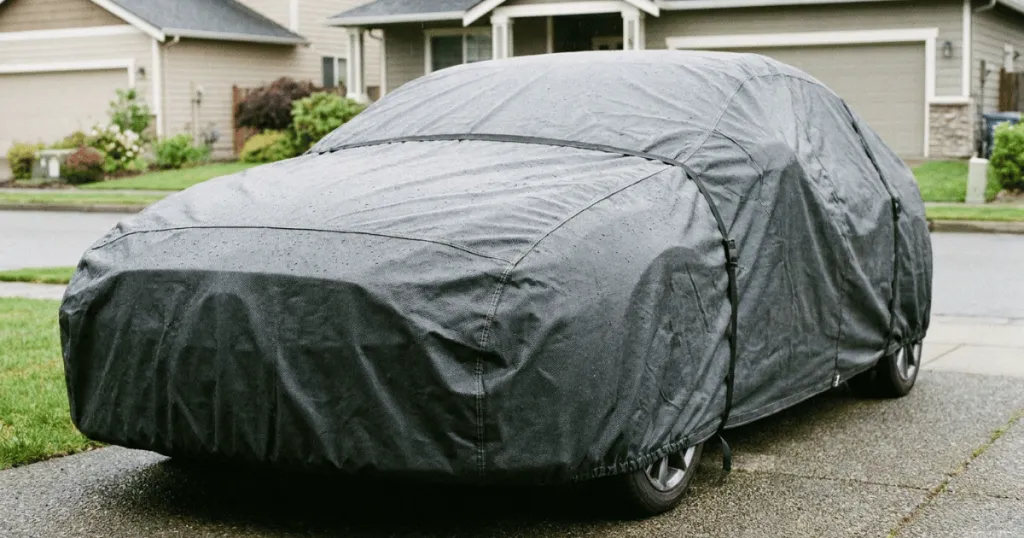
Mid-tier options combining spunbond polypropylene with polyethylene layers provide a balanced defense strategy. These fabrics generally deliver a car cover lifespan of two to four years outdoors. They block dust and moderate rain effectively while allowing trapped condensation to evaporate harmlessly through microscopic pores.
The engineering behind these mid-tier composites involves sandwiching a protective film between durable outer and inner layers. The outer layer handles initial weather impact, while the inner layer provides a soft touch for delicate automotive paint. This multi-stage construction absorbs environmental stress much better than single-layer alternatives, extending usable outdoor durability across multiple seasonal cycles.
Heavy-Duty Woven Canvas And Premium Composite Fabrics
High-end multi-layer covers featuring reinforced acrylic or specialized outdoor marine-grade fabrics represent the peak of durability. These premium shields often endure five to seven years of harsh weather when properly maintained and secured. They resist tearing, block heavy hail impacts, and maintain UV stability far longer than standard retail options.
Investing in top-tier textiles changes the replacement calculus for long-term vehicle storage. These advanced materials incorporate heavy ultraviolet inhibitors directly into the thread extrusion process rather than applying a topical spray. As a result, the protective capability remains active even after years of relentless sun exposure and routine cleaning.
Environmental Factors And Climate Impact
Geography plays an immense role in how long protective gear remains functional. A cover deployed in the Pacific Northwest faces entirely different stress factors than one stationed in Arizona or Florida.
High-Heat And Desert Zones
Intense solar radiation rapidly vaporizes plasticizers within synthetic materials. Covers in arid regions experience extreme thermal cycling, going from scorching daytime heat to chilly nighttime drops. This cycle causes rapid fiber embrittlement, dropping the expected car cover lifespan down to the lower end of the manufacturer estimate.
Arid climates also introduce airborne dust and fine sand particles that settle into the fabric pores. When wind causes the cover to shift, these abrasive minerals grind against both the vehicle surface and the interior weave. Vehicle owners in these regions must prioritize materials specifically engineered to resist extreme thermal stress and high solar loads.
Coastal And High-Humidity Environments
Salt-laden air and persistent moisture present unique corrosion challenges. Salt crystals settle into fabric weaves, attracting ambient humidity and creating a damp microclimate against the car body. If the fabric lacks adequate breathability, mold and mildew take root quickly, rotting the inner lining long before the outer shell fails from sun exposure.
Humidity and coastal fog require constant vigilance regarding moisture management. When a cover remains damp for days on end, the trapped water molecules break down water-repellent treatments applied to the outer surface. Selecting a high-performance breathable fabric is essential in these regions to prevent moisture accumulation and preserve structural integrity.
Practical Maintenance To Maximize Protection Duration
Active upkeep extends the usability of any vehicle shield significantly. Owners who neglect basic cleaning routines often find their protective layers failing prematurely.
Regular Cleaning And Washing Routines
Dust, pollen, and bird droppings accumulate on the outer surface and trap moisture against the threads. Washing the cover periodically using mild soap and cool water removes these abrasive particles. Allowing the material to dry completely before folding prevents interior mildew growth and keeps the fabric flexible.
Washing a protective shield is not complicated, but it requires avoiding harsh detergents or automatic washing machines with agitators. Submerging the cover in a clean driveway and using a soft brush with mild automotive soap preserves the delicate waterproof membranes and UV coatings. Proper rinsing ensures no detergent residue remains to attract airborne pollutants.
Proper Securement And Wind Mitigation
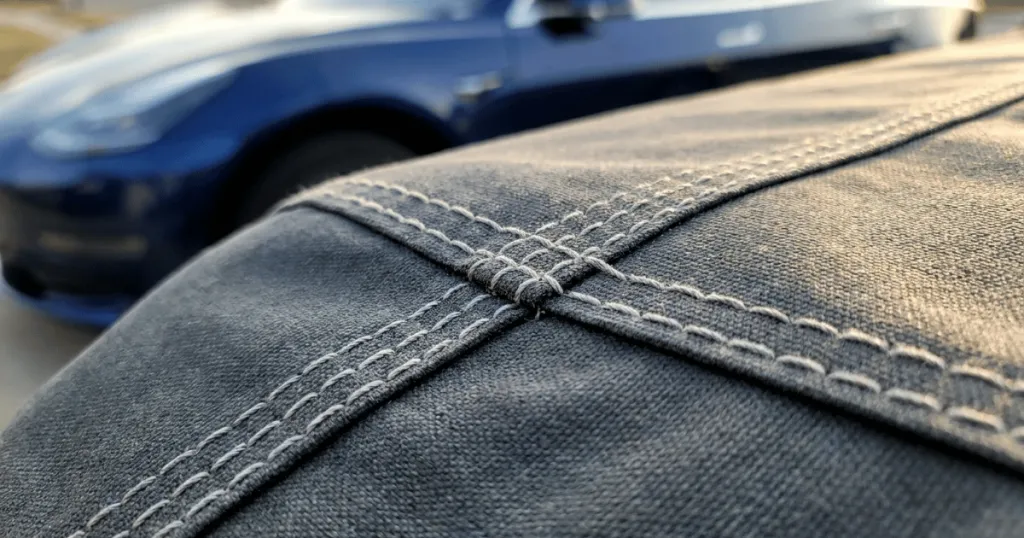
Loose fabric flapping in high winds creates severe stress on grommets and seams. Using a snug custom or semi-custom fit along with a reliable under-body tie-down strap eliminates unnecessary friction. Reducing wind flutter preserves the stitching and prevents premature tearing at the corners.
Wind is the silent destroyer of outdoor vehicle protection. When gusts catch a loose barrier, the sudden pulling force transfers directly to the reinforced grommets and stitched seams. Utilizing a specialized grommet kit or an integrated strap system keeps the material taut, preventing the destructive snapping action that accelerates wear.
What This Means In Practice For Vehicle Owners
Evaluating your purchase requires looking past marketing promises and matching fabric specs to your actual parking reality. If you park outdoors under direct sun in a southern state, budget for a replacement cycle every two or three years. Choosing a heavier multi-layer fabric with robust UV treatment makes financial sense in severe climates, whereas a lighter indoor dust cover can last a decade in a climate-controlled garage.
Inspecting the fabric twice a year for thinning spots or brittle patches helps you catch wear before it exposes your vehicle paint to elemental damage. Knowing the limits of your protective gear ensures your investment actually delivers the defense your car needs year after year.
Ultimately, getting the best return on your investment means accepting that protective gear is sacrificial. The cover absorbs the solar radiation, pollutant fallout, and abrasive friction so your vehicle paint does not have to. Recognizing when a shield has reached the end of its functional life protects your car from unexpected elemental exposure and prevents costly paint restoration down the road.
FAQ
How can I tell when my car cover needs to be replaced?
A declining car cover lifespan becomes obvious when the fabric feels brittle, shows visible thinning spots, lets water soak straight through instead of beading, or develops tears along the mirror pockets and seams.
Does indoor storage really extend car cover lifespan?
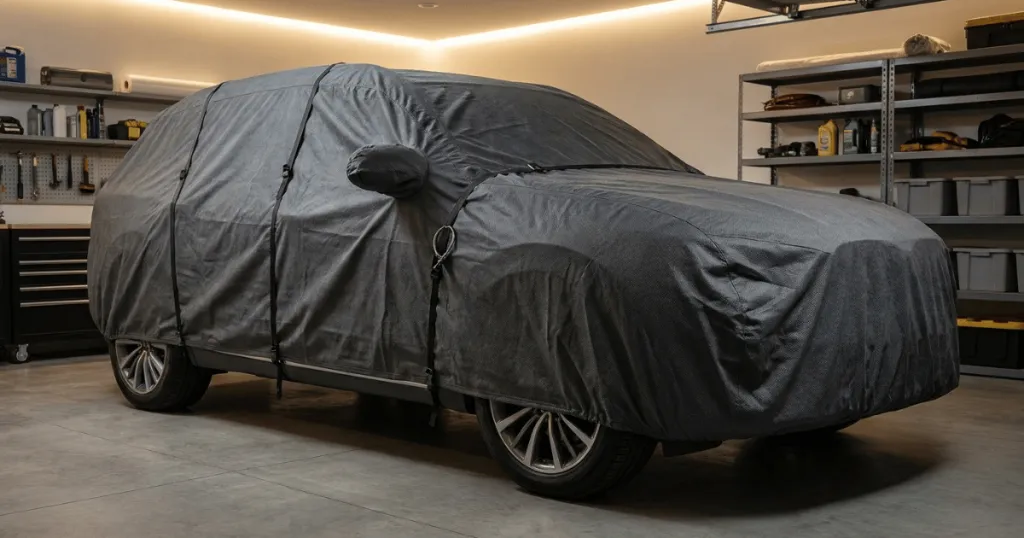
Yes, storing a vehicle inside a garage eliminates ultraviolet radiation and severe wind stress, allowing even basic single-layer covers to last for many years without degrading.
Can I repair small tears to make my cover last longer?
Minor rips near seams can be patched using specialized adhesive fabric repair kits or heavy-duty outdoor tape, but once the overall material becomes sun-rotted and brittle, patching no longer restores safety.
Why do cheap outdoor covers disintegrate so quickly?
Inexpensive covers often lack sufficient UV inhibitor chemical treatments, causing the polymer bonds in the fabric to break down rapidly under direct sunlight.