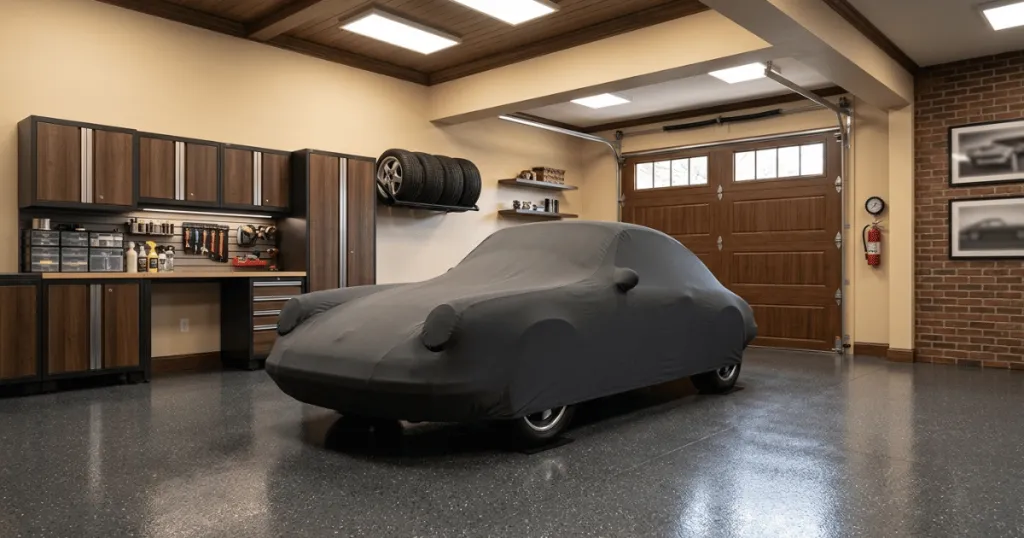
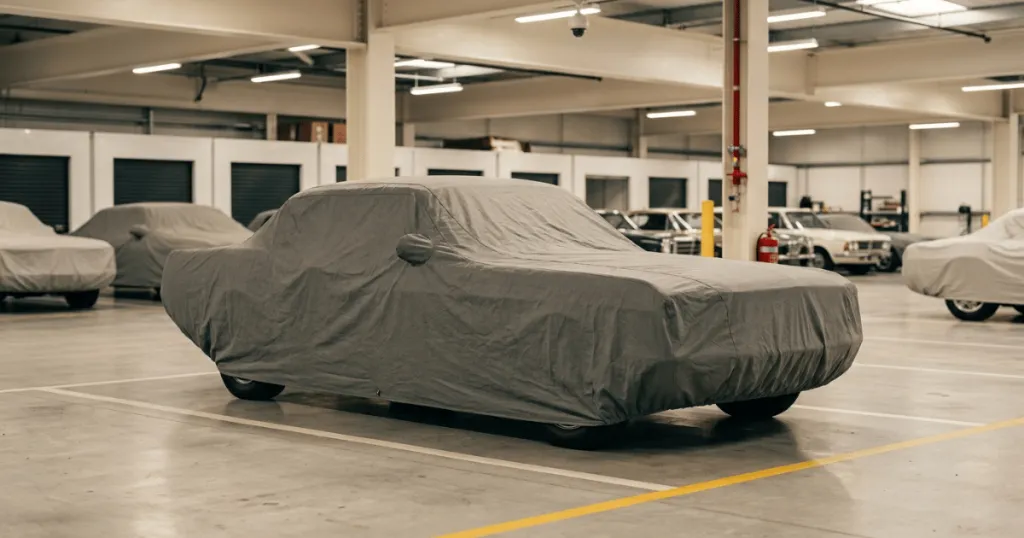
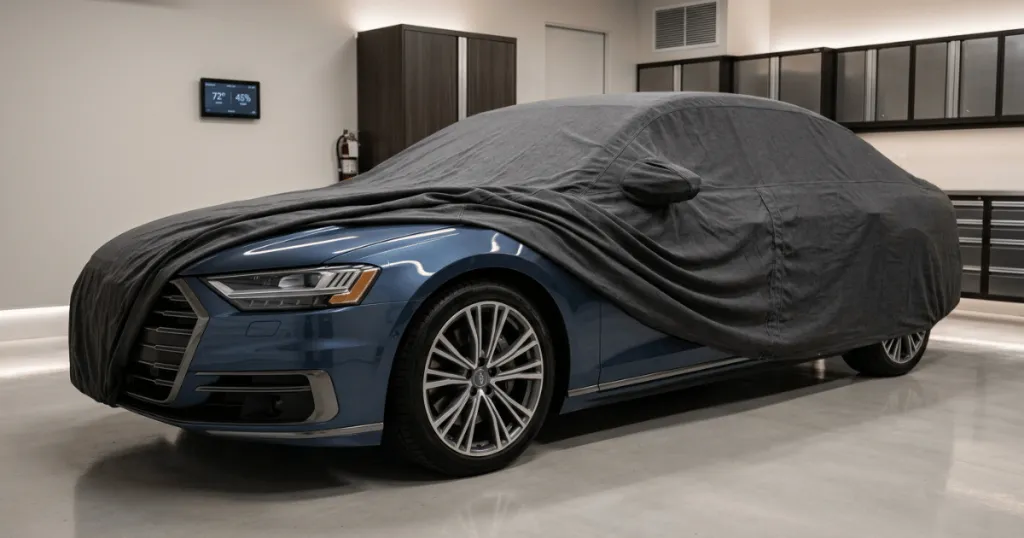
Parking a vehicle near an active building project introduces a unique set of environmental hazards that standard storage solutions often fail to address. A construction site car cover is specifically engineered to handle high concentrations of airborne particulates, ranging from fine drywall dust and concrete powder to larger debris like wood shavings or metal filings. Unlike standard storage covers designed for simple UV protection or rain, these specialized covers prioritize filtration, physical barrier strength, and ease of cleaning to keep your paint finish safe from the abrasive nature of a work zone.
When your vehicle remains stationary for extended periods near ongoing work, the accumulation of grit can lead to micro-scratches during even the most careful removal process. Understanding the specific requirements for this environment allows you to select a barrier that prevents damage before it starts. This guide explores the factors that define effective protection in high-dust environments and how you can maintain your vehicle’s exterior integrity despite the surrounding activity.
Key Factors for a Reliable Construction Site Car Cover
The primary challenge in a construction zone is the constant presence of airborne contaminants. A standard breathable cover might allow fine dust to pass through the fabric, effectively trapping it against your paint. You need a cover that balances filtration with enough airflow to prevent moisture buildup.
High-Density Fabric Construction
Look for multi-layer fabrics that feature a dense outer layer designed to repel dust and a soft, non-abrasive inner lining. The outer layer must be tight enough to prevent microscopic concrete dust from migrating through the weave. If the fabric is too loose or porous, the vibration from nearby machinery can shake dust particles through the cover, creating a grinding paste against your clear coat.
Securing Mechanisms for Windy Sites
Construction sites are often open areas with little wind protection, leading to high-velocity gusts that can catch a loose cover. A secure fit is essential, not just for protection, but to prevent the cover from flapping. Flapping causes the fabric to rub against the vehicle surface, which is particularly dangerous when dust is present on the underside of the material. Ensure your cover includes heavy-duty grommets, under-body straps, or a weighted hem system to keep the material locked in place.
Real-World Context and Environmental Exposure
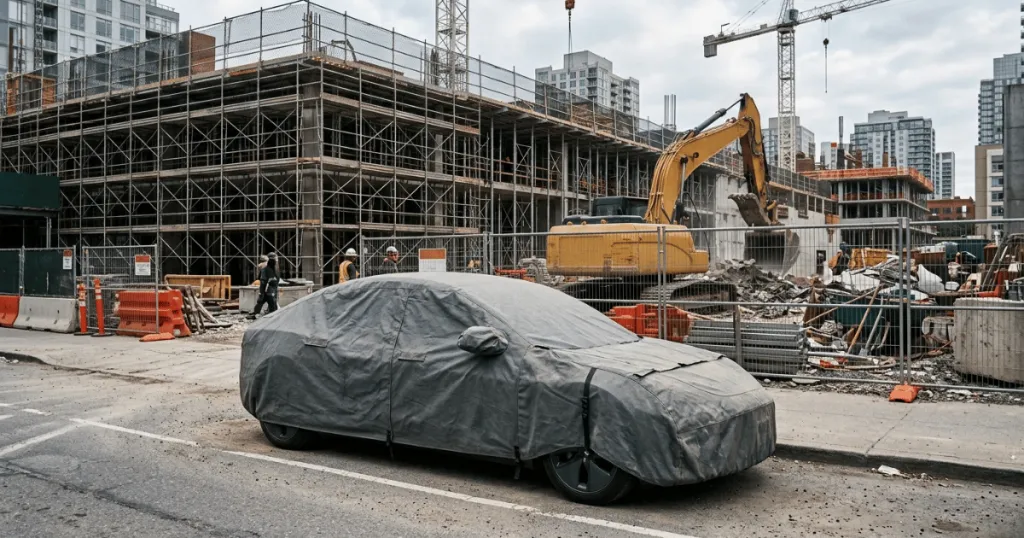
The specific nature of the construction work dictates the level of protection required. A site involving heavy demolition or masonry work creates a much harsher environment than a site focused on interior finish carpentry. Assessing your specific proximity to the work is the first step in determining how often you need to clean the cover or if you need a more robust barrier.
Managing Fine Particulates
Masonry dust, particularly from cutting concrete or brick, is highly abrasive and alkaline. If this dust settles on your car, it can chemically react with moisture to cause etching. A construction site car cover acts as a sacrificial layer that catches these particles. In these environments, you should prioritize a cover that is easy to hose off or shake out, as you will likely need to clean it more frequently than you would in a residential driveway.
Proximity to Heavy Equipment
If your vehicle is parked near heavy machinery, you face risks beyond just dust. Hydraulic fluids, grease, and exhaust soot can settle on the cover. A cover with a high-quality water-resistant or oil-resistant treatment is vital in these scenarios. This prevents contaminants from soaking into the fabric fibers, making it significantly easier to maintain the protective barrier over the long term.
Why Proper Maintenance of Your Cover Matters
The effectiveness of a construction site car cover depends entirely on its cleanliness. If the outer surface becomes saturated with construction debris, the cover itself becomes a source of damage. Regularly cleaning the exterior of the cover prevents the buildup of abrasive materials that could otherwise be transferred to your paint during installation or removal.
Ignoring the state of your cover in a high-dust environment leads to a false sense of security. If you notice a heavy layer of dust on the cover, do not simply pull it off. Use a leaf blower or a gentle stream of water to remove the loose particles first. This simple habit prevents you from dragging grit across your vehicle’s finish, which is the most common cause of scratches when using covers in industrial or active building zones.
Evaluating Material Durability and Breathability
When selecting a cover for a job site, you must evaluate the trade-off between particulate filtration and moisture management. A fabric that is too thick or coated in heavy plastic may block dust effectively but will trap condensation against the body panels. This moisture, when combined with the alkaline nature of construction dust, can accelerate paint oxidation and clear coat failure. Seek out high-performance synthetic materials that utilize a non-woven, multi-layer structure. These materials are designed to allow air to circulate, which helps evaporate trapped moisture, while the dense outer fibers act as a mechanical filter for airborne particles.
Strategic Placement and Installation Techniques
Even the best cover will fail if installed improperly in a high-activity zone. Before placing the cover, ensure the vehicle is as clean as possible. If you are parking long-term, consider a quick rinse of the vehicle exterior to remove any existing grit. When installing the cover, avoid dragging it across the hood or trunk. Instead, unfold it carefully over the roof and drape it down the sides. If the site is particularly active, consider using a secondary layer of protection, such as a lightweight disposable plastic sheet underneath the primary cover, to provide an extra barrier against fine dust infiltration. This technique is common for long-term storage in industrial environments where the vehicle remains stationary for weeks or months.
Common Misconceptions About Job Site Protection
Many vehicle owners assume that any thick cover will suffice for a construction environment, but this is a dangerous oversimplification. A heavy canvas tarp, for example, is often too abrasive and lacks the breathability needed to prevent condensation, which can lead to mold or paint oxidation under the cover.
Another common mistake is assuming that a cover only needs to be used when the site is active. Dust and soot settle on vehicles regardless of whether workers are present. Leaving the car exposed overnight allows dew to mix with the day’s accumulated dust, creating a sludge that is much harder to remove later. Consistent use of a properly fitted construction site car cover is the only way to maintain a clean surface in these challenging conditions.
Final Considerations for Vehicle Safety
Choosing the right barrier involves assessing the specific hazards of your location, from fine masonry dust to heavy equipment emissions. By prioritizing a high-density, breathable fabric and ensuring the cover is securely fastened, you can effectively mitigate the risks associated with active building sites. Remember that the cover is a maintenance tool, and keeping it clean is just as important as the initial selection. With the right approach to your construction site car cover, you can preserve your vehicle’s exterior finish until the project is complete and the area returns to normal.
FAQ
Can I use a standard outdoor car cover at a construction site?
While a standard outdoor cover provides some protection, it is often insufficient for construction sites. These environments feature fine, abrasive dust that can penetrate standard fabrics. A dedicated construction site car cover uses tighter, multi-layer weaves designed to block fine particulates while maintaining necessary breathability.
How often should I clean a cover used in a dusty environment?
You should clean your cover whenever you notice a significant buildup of dust or debris. In active construction zones, this may be as often as once a week. Removing this accumulation is critical to preventing the cover from becoming an abrasive surface that scratches your paint during removal.
Is it safe to leave a cover on during high winds at a job site?
Yes, provided the cover is properly secured with heavy-duty straps and a weighted hem. If the cover is loose, wind will cause it to flap against the car, which can cause significant paint damage when dust particles are trapped between the fabric and the vehicle surface.