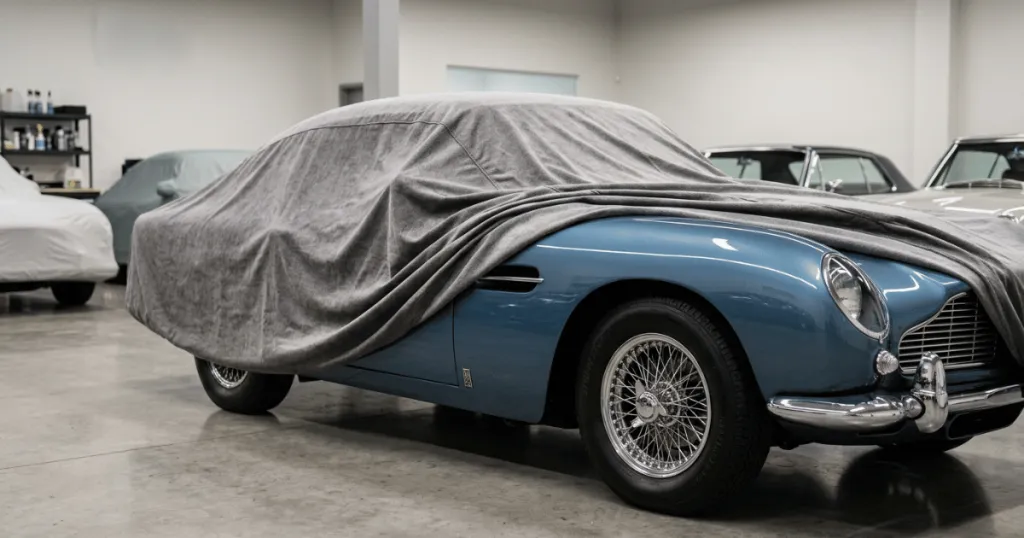
When commercial cars, trucks, or service vans sit idle between shifts, their exterior finishes face relentless environmental pressure from sunlight, rain, and airborne pollutants. Managing an inventory of vehicles requires more than mechanical maintenance, because body panels and paint demand physical shielding against the elements. Investing in a specialized fleet vehicle car cover helps preserve vehicle appearance, reduces long-term cosmetic degradation, and maintains a professional corporate image across all mobile assets.
Many business owners wonder whether covering dozens of commercial units is truly practical for daily operations. While deployment takes extra minutes, the protection gained against clear coat failure, corrosion, and interior heat buildup usually outweighs the daily handling effort. Understanding how to select, deploy, and maintain these protective shields transforms a tedious chore into a reliable asset protection strategy.
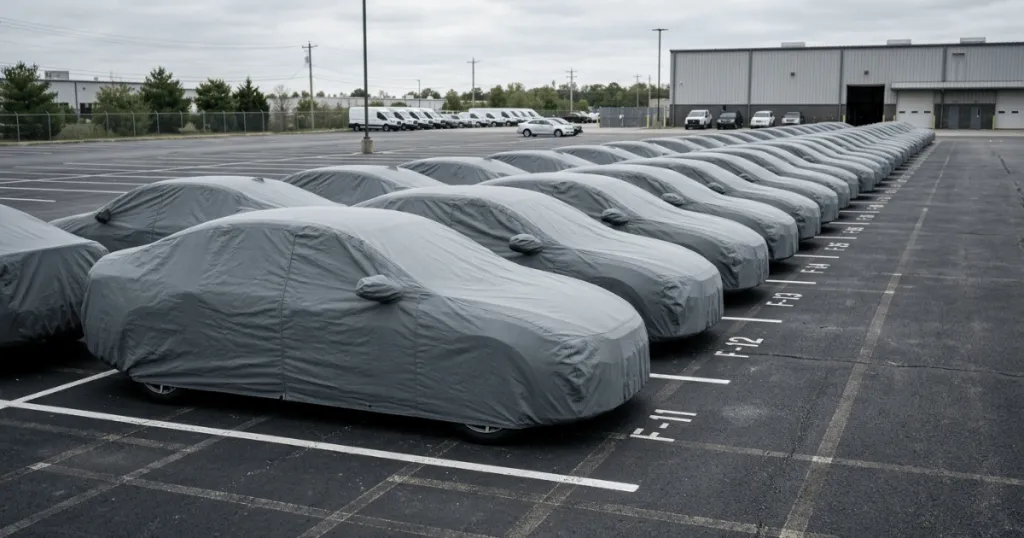
Why Every Operation Needs a Fleet Vehicle Car Cover
Commercial cars and service trucks parked in open lots absorb continuous solar radiation that degrades paint binders and oxidizes clear coats over time. Ultraviolet rays break down exterior pigments, causing premature fading and chalky paint surfaces that undermine vehicle resale or lease-return values. A durable fleet vehicle car cover acts as a physical barrier, reflecting solar energy and keeping paint temperatures lower throughout the day.
Beyond sun damage, outdoor parking exposes vehicles to tree sap, bird droppings, industrial fallout, and windblown debris. These contaminants etch clear coats if left unattended, creating costly cosmetic repair needs before a vehicle reaches the end of its service cycle. Utilizing a protective cover prevents these aggressive agents from settling directly onto painted sheet metal.
Moisture management represents another critical reason to shield commercial assets. Rain, morning dew, and heavy frost combine with atmospheric pollutants to accelerate corrosion around window seals, door edges, and vulnerable underbody seams. Breathable fabric covers allow trapped condensation to evaporate safely rather than remaining pooled against the paint.
Core Factors in Choosing Commercial Vehicle Covers
Selecting the right protection for multiple vehicles demands careful evaluation of material durability, storage environments, and handling efficiency. Commercial operations cannot afford fragile fabrics that tear easily during daily removal and reinstallation by busy staff members.
Evaluating Material Durability and Fabric Layers
Multi-layer synthetic fabrics offer the best balance of weather resistance and breathability for outdoor commercial lots. Non-woven polypropylene or polyester blends resist moisture penetration while permitting trapped heat and vapor to escape freely. Heavy-duty woven canvas styles work well in industrial zones with high particulate fallout, though they require more storage space inside the vehicle cabin when not in use.
Balancing Custom Fit Versus Universal Sizing
Custom-tailored covers hug specific make and model dimensions closely, eliminating loose fabric flaps that whip violently against paint during high wind events. Universal or semi-custom options cost less and fit across mixed vehicle inventories, but they often require bungee cords or additional straps to secure excess material. Fleet managers must weigh initial acquisition costs against long-term paint abrasion risks caused by ill-fitting materials.
Integrating Security and Anti-Theft Features
Commercial yards face unique security challenges, making integrated cable lock grommets an essential accessory consideration. Locking a cover to the vehicle chassis prevents unauthorized removal or theft in shared parking facilities. Reinforced grommets also withstand the constant tension of daily tie-down routines without pulling away from the fabric hem.
Real-World Operational Context and Daily Deployment
Managing covers across a working fleet requires established standard operating procedures for drivers and yard attendants. If putting on a cover takes too much time, staff members may abandon the practice during rushed morning departures or late evening returns. Streamlining the folding and unfolding process encourages consistent use across the entire team.
Storage management also matters significantly when vehicles hit the road during working hours. Drivers need designated cabin space or trunk room to store rolled covers cleanly without soiling interior upholstery with exterior road grime. Waterproof storage bags prevent damp, dirty covers from introducing moisture and mud into the vehicle cabin during transit.
Seasonal weather shifts demand dynamic adjustments to daily fleet routines. Heavy winter snowfall or freezing rain can cause covers to freeze solid against the vehicle surface if moisture is trapped underneath before temperatures drop. Yard supervisors must ensure covers are completely dry before deployment in freezing climates, or allow adequate thawing time before attempting removal.
Common Misconceptions About Commercial Vehicle Protection
A widespread myth suggests that keeping vehicles locked inside a garage eliminates the need for any exterior covering. Even indoor parking lots accumulate abrasive dust, brake residue, and accidental scratches from foot traffic or maintenance equipment. Lightweight indoor dust covers protect clean paintwork from settling particulate matter without trapping moisture.
Another frequent misunderstanding involves the assumption that any heavy tarp will serve as a suitable vehicle shield. Standard hardware store plastic tarps lack breathability, trapping condensation against the paint and accelerating rust formation during warm, humid weather. True automotive covers use engineered textiles designed specifically to manage moisture vapor transmission.
Some operators believe that washing a dirty vehicle negates the need for a cover altogether. While starting with a clean surface prevents trapped grit from scratching paint, environmental fallout settles on parked vehicles within hours. Covering a clean vehicle preserves that detailed condition between scheduled wash intervals.
Why Professional Fleet Asset Protection Matters
Maintaining the visual and structural integrity of commercial transport directly influences customer perception and brand reliability. Clean, dent-free, and well-preserved vehicles project competence and attention to detail long before a service technician arrives at a client location. Protecting exterior paint ensures that corporate logos and decals remain sharp, vibrant, and unblemished by fading or chemical etching.
From a financial perspective, proactive exterior protection preserves residual equity across the entire vehicle roster. When commercial cars and trucks reach retirement age, well-maintained paint commands higher trade-in values and avoids costly lease-return penalty fees. Prioritizing physical asset protection turns a routine maintenance expense into a measurable safeguard for corporate capital.
Implementing a comprehensive commercial vehicle cover program also requires regular upkeep of the textile materials themselves. Over months of exposure to dust, rain, and intense sunlight, microscopic pores in the fabric can become clogged with particulate matter, reducing breathability and fluid-shedding efficiency. Fleet managers should establish a routine washing schedule for the covers, typically using mild detergents and cold water while laying them flat or hanging them to air dry completely. Storing wet fabric in restricted cabin spaces breeds mold and mildew, which degrades synthetic fibers and transfers unpleasant odors back to the vehicle body upon reapplication.
Furthermore, standardizing the inventory of protective shields across a diverse corporate roster simplifies replacement purchasing and inventory tracking. When every service van or passenger car utilizes a designated size category or custom pattern, staff members spend less time searching for the correct match during end-of-day secure parking routines. This operational efficiency minimizes friction, reduces the likelihood of misplaced accessories, and ensures uninterrupted protection for the entire active fleet regardless of which driver parks a specific unit at the close of a shift.