Protecting a low-slung performance machine demands a deliberate approach to vehicle preservation, starting with the physical barrier between the paintwork and the environment. Choosing the right exotic car cover matters because high-end finishes, complex aerodynamic bodywork, and specialized carbon fiber components require far more than a generic universal shield. Owners face high stakes when safeguarding vehicles that spend time in tight garage spaces or occasionally brave outdoor elements. Understanding what separates basic automotive sheets from engineered protective layers helps prevent costly finish damage.
Maintaining a multi-million-dollar supercar involves mitigating risks that daily drivers rarely encounter, such as razor-sharp splitters, extensive carbon fiber weaves, and fragile low-profile bumpers. Selecting a proper custom car cover is not merely an aesthetic choice; it is a vital step in comprehensive vehicle storage management. Without targeted textile engineering, environmental exposure can permanently etch clear coats, degrade exotic paint pigments, and compromise delicate interior materials like Alcantara and fine leather.
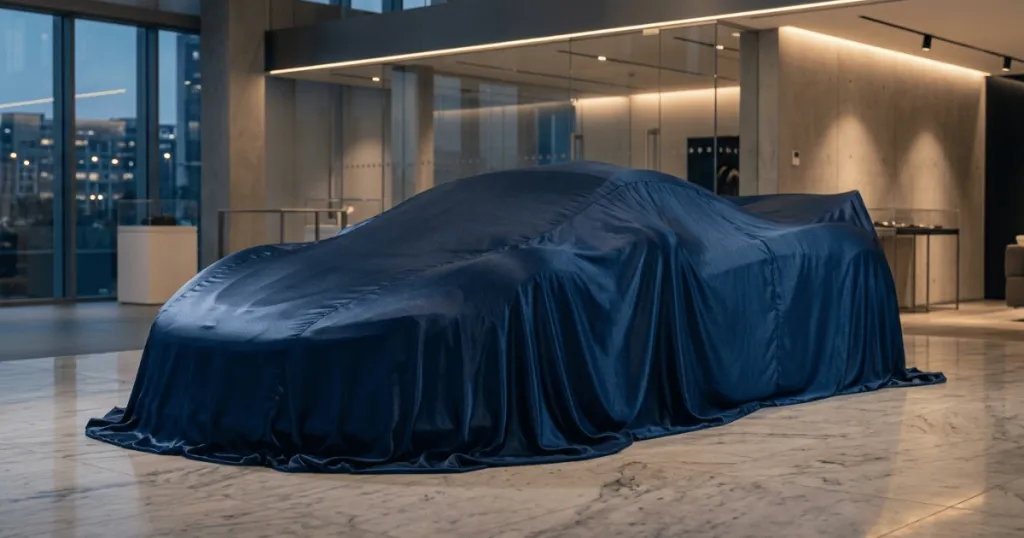
Why Standard Covers Fail High-End Vehicles
Universal automotive shields rarely fit low-slung sports vehicles properly, leaving loose fabric that flaps relentlessly in the wind. This constant friction creates micro-marring on soft clear coats, dulling the deep gloss of expensive paint finishes. Furthermore, generic designs ignore low ground clearance, side mirror contours, and rear wing attachments, leaving vulnerable areas exposed to dust and accidental bumps.
Breathability represents another major failing point in low-grade materials. Trapped moisture accelerates corrosion on exposed metal underpinnings and ruins leather or Alcantara components inside the cabin if humidity rises. High-end performance cars demand tailored breathability that allows condensation to escape while blocking liquid water.
Many mass-market options are manufactured from heavy PVC or cheap PEVA materials that lack microscopic pore structures, turning a garage or driveway into a literal greenhouse. When ambient temperatures fluctuate, moisture vapor rises from the concrete floor or residual engine heat, hitting the cold underside of an unvented cover. This trapped humidity settles directly onto the painted bodywork, leading to mineral deposits, water spots, and oxidation. Owners seeking genuine paint protection must look past generic department store bins and evaluate technical fabrics engineered specifically for luxury car cover applications.
Key Factors in Selecting an Exotic Car Cover
Tailored Fit Versus Universal Drapes
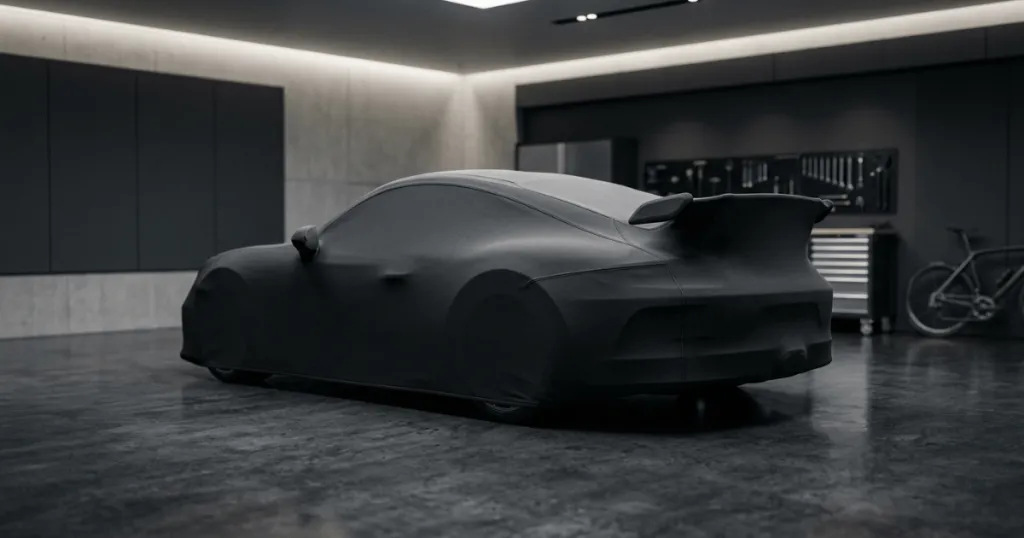
Custom tailoring is non-negotiable for low-slung performance vehicles. A custom-patterned drape contours precisely around splitters, side air intakes, and rear diffusers without creating excessive slack. This snug fit eliminates wind flap and ensures the material stays anchored securely against the body. Generic options rely on elastic hems that fail to accommodate aggressive aerodynamic additions, often sliding off or creating abrasive friction points.
When evaluating fit precision, consider how factory or aftermarket body kits alter the silhouette of your vehicle. A standard sports car cover might accommodate a factory roofline, but it will pull taut or pinch over extended carbon fiber splitters or high-mounted rear wings. Custom templates account for every millimeter of specific chassis designs, ensuring that tension remains evenly distributed across the entire surface rather than concentrating on vulnerable corners and sharp edges.
Indoor Dust Mitigation Versus Outdoor Weather Resistance
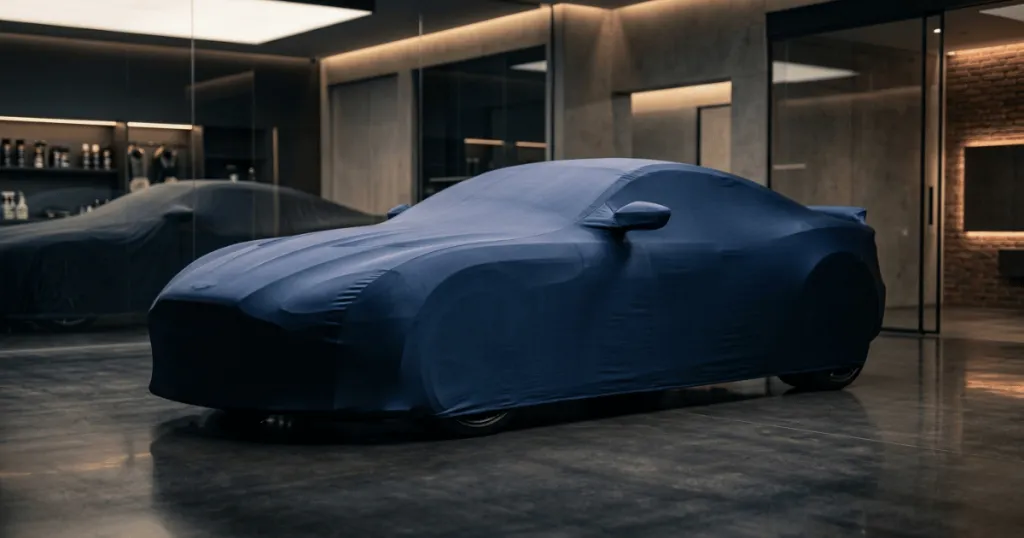
Storage environment dictates the required material composition completely. Indoor storage focuses on stopping microscopic dust accumulation, light bumps in tight garages, and incidental contact from passing foot traffic. Lightweight satin or fleece-lined woven fabrics work best indoors because they feel ultra-soft against delicate paint and promote maximum air circulation.
Outdoor storage requires multilayer technical textiles that handle UV radiation, heavy rain, tree sap, and bird droppings. These outdoor variants use durable outer layers to shed moisture while retaining a soft inner fleece to protect the clear coat. Selecting the wrong environment category leads to moisture retention outdoors or excessive bulk indoors.
In a controlled garage environment, an indoor car cover functions primarily as a dust shield. Airborne grit settles daily in subterranean or multi-car garages, turning into an abrasive abrasive agent if the car is moved or wiped down improperly. Conversely, utilizing a heavy-duty outdoor car cover inside a climate-controlled space is counterproductive; the heavyweight exterior layers trap unneeded bulk, and the lack of silky interior nap can cause friction against sensitive gloss finishes.
Advanced Material Engineering and Fabric Layers
Modern protective textiles range from single-layer woven polyester to sophisticated multi-layer composite films. Premium covers often incorporate a microscopic breathable membrane sandwiched between protective outer weaves and plush interior linings. This engineered approach blocks moisture droplets from entering while venting trapped vapor outward before it settles on the vehicle surface.
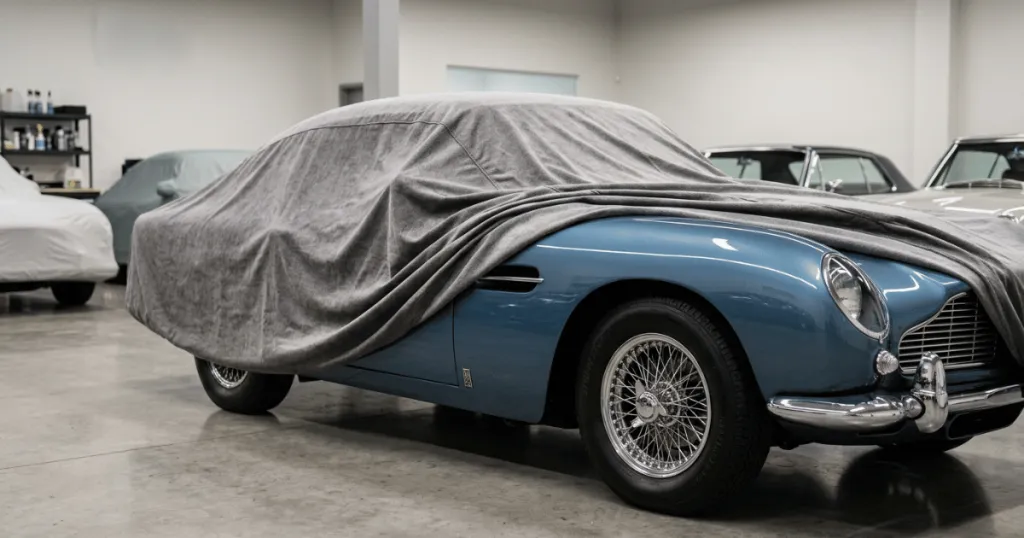
Heavy-duty canvas and thick cotton blends are largely obsolete for high-end applications due to their tendency to absorb water and become unmanageably heavy. Lightweight multi-layer synthetics offer superior protection without straining the arms during installation or taking up excessive trunk space when stowed.
Understanding textile engineering helps owners appreciate why modern covers cost more than basic tarps. High-performance multi-layer materials utilize spunbond-meltblown-spunbond construction or microporous films to achieve maximum uv protection alongside liquid repellency. These advanced weaves reflect solar radiation effectively, stabilizing cabin temperatures and protecting leather seats and exotic trim from baking under direct sunlight.
Real-World Storage Scenarios and Protection Strategies
Securing Vehicles in Secure Multi-Car Garages
Even inside a closed garage, airborne dust particles settle on vehicle surfaces and turn into an abrasive paste if wiped away carelessly. An indoor exotic car cover prevents this particulate buildup and guards against accidental scratches from bicycles or toolboxes. The material needs to be lightweight enough for effortless daily removal and replacement, ensuring the owner actually uses it consistently.
In tightly packed residential or collector garages, the primary threat comes from passing foot traffic, opening doors, and tools shifting on shelves. A plush indoor fabric provides a cushion against minor bumps. Furthermore, choosing a lightweight satin material makes daily deployment practical, preventing the owner from skipping cover usage due to physical fatigue or inconvenience.
Managing Long-Term Stays in Storage Facilities
When storing a performance vehicle for several months, selecting a fabric with exceptional breathability prevents mold and mildew growth. Securing the hem with a built-in cable lock system adds security in shared storage units. Checking underneath the drape periodically ensures that temperature fluctuations have not caused unexpected condensation buildup against the body panels.
Long-term storage facilities introduce variables like fluctuating humidity and distant oversight. Selecting a specialized vehicle storage cover featuring reinforced grommets allows owners to run a security cable underneath the chassis, deterring tampering in commercial warehouse settings. Periodic inspections remain vital to ensure that trapped moisture or settling dust is addressed before long-term contact harms the clear coat.
Handling Paved Outdoor Parking and Driveway Exposure
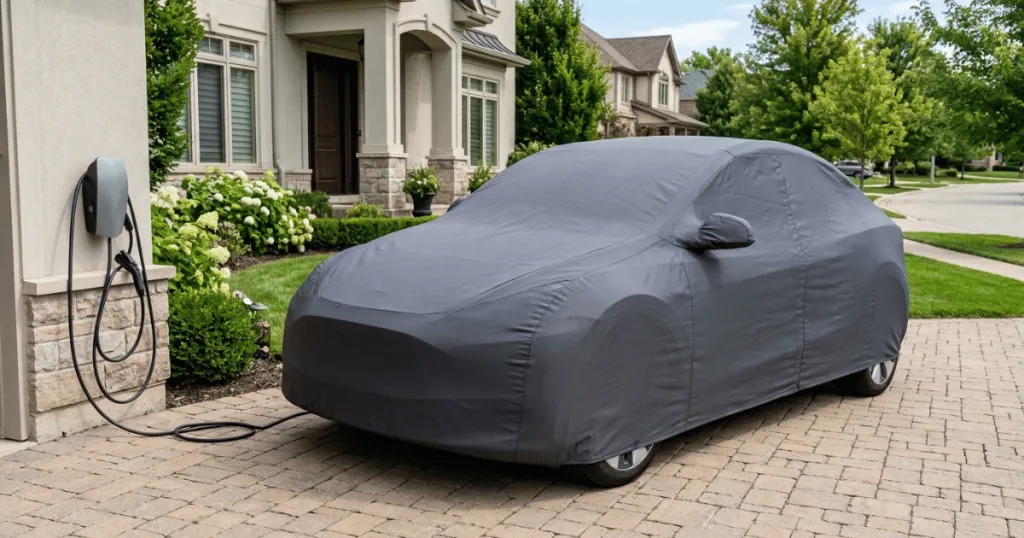
Outdoor storage introduces severe environmental challenges like relentless UV rays that degrade carbon fiber weaves and fade rich paint pigments. A specialized outdoor exotic car cover acts as a thermal barrier, reducing interior cabin temperatures and preventing dashboard cracking. Integrated grommets and heavy-duty tie-down straps become essential for keeping the shield firmly in place during high wind events.
When an exotic car must remain parked outdoors, weather resistance takes absolute priority. Wind-driven debris, falling sap, and intense solar exposure can ruin a delicate finish in weeks. A properly anchored outdoor cover prevents the fabric from shifting during gusts, which neutralizes the abrasion risk that ruins clear coats. Pairing this with a snug custom fit ensures that harsh weather glances off the vehicle rather than lifting the cover off the body panels.
Common Misconceptions About Vehicle Protection
Many owners assume that thicker material automatically equates to better protection. In reality, excessively heavy drapes are difficult to handle safely, increasing the risk of dropping a clip or dragging dirty fabric across the hood. Modern technical textiles achieve high impact and UV resistance in remarkably thin, lightweight packages.
Another frequent misunderstanding involves waterproof versus water-resistant performance. Completely waterproof materials often trap condensation underneath, creating a humid microclimate that damages finishes over time. Breathable water-resistant fabrics provide the ideal balance by shedding rain while allowing trapped vapor to evaporate safely.
Another myth is that washing a car cover frequently damages its protective properties. In truth, embedded dirt and dust trapped inside the inner lining turn the cover into fine sandpaper. Periodic maintenance washing restores the fabric breathability and ensures that soft inner layers remain free of abrasive particulate matter.
Why Precision Protection Matters for Investment Vehicles
Preserving the factory finish of a high-value automobile directly influences its long-term valuation and aesthetic appeal. Paint correction on exotic vehicles requires specialized expertise and thinner clear coats demand conservative handling to avoid burning through the surface. Preventing minor scratches and environmental etching in the first place eliminates the need for aggressive paint polishing down the road.
Investing time in proper installation habits, such as cleaning the vehicle surface before draping and storing the fabric in a clean bag, protects the investment further. A careful approach ensures that the protective barrier itself never becomes a source of surface damage.
Collector vehicles often derive a significant portion of their market value from original paint and pristine body panels. Even minor clear coat degradation requires corrective polishing that removes microscopic layers of factory finish. By prioritizing a high-end cover that respects aerodynamic contours and paint integrity, owners safeguard both the immediate visual impact and the future appraisal value of their machine.
Concluding Thoughts on Safeguarding Performance Finishes
Selecting an exotic car cover requires balancing environmental exposure, storage conditions, and precise dimensional fit. Prioritizing custom tailoring over universal alternatives ensures your vehicle remains secure and free from abrasive friction. Evaluating indoor dust needs or outdoor weather demands carefully will keep your investment looking immaculate for years to come.
FAQ
Can I use an outdoor exotic car cover inside a garage?
Yes, but outdoor covers are typically heavier and less plush than dedicated indoor satin covers. For garage storage, a lightweight, dust-resistant fabric is usually more convenient to handle daily.
How do I clean a high-end vehicle cover safely?
Most quality covers can be washed in a large-capacity commercial washing machine without agitators using mild liquid detergent, followed by air drying or tumbling on low heat.
Does a custom-fit cover protect against hail and falling tree limbs?
Standard custom covers protect against UV rays, dust, rain, and light tree debris, but severe hail requires specialized multi-layer padded armor designed specifically for impact absorption.