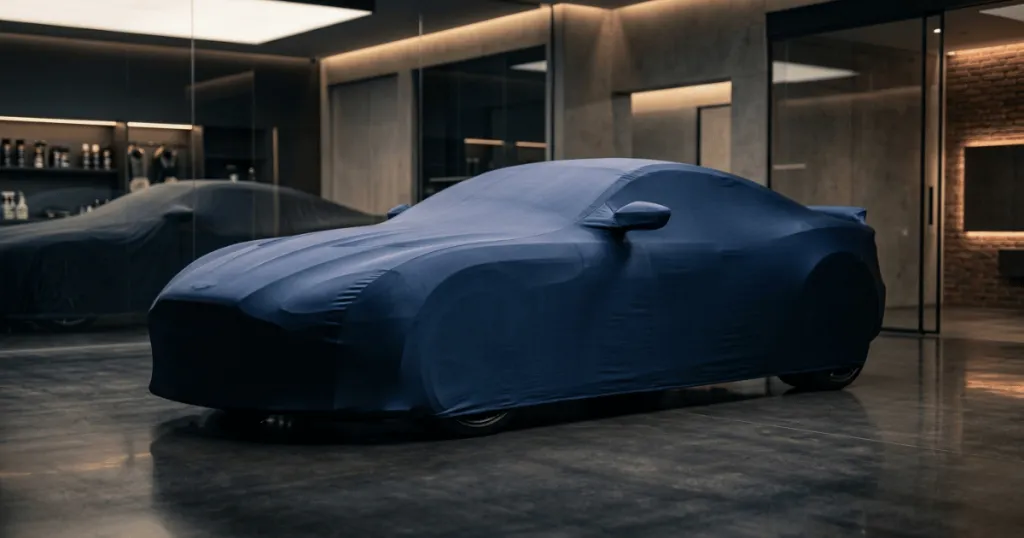
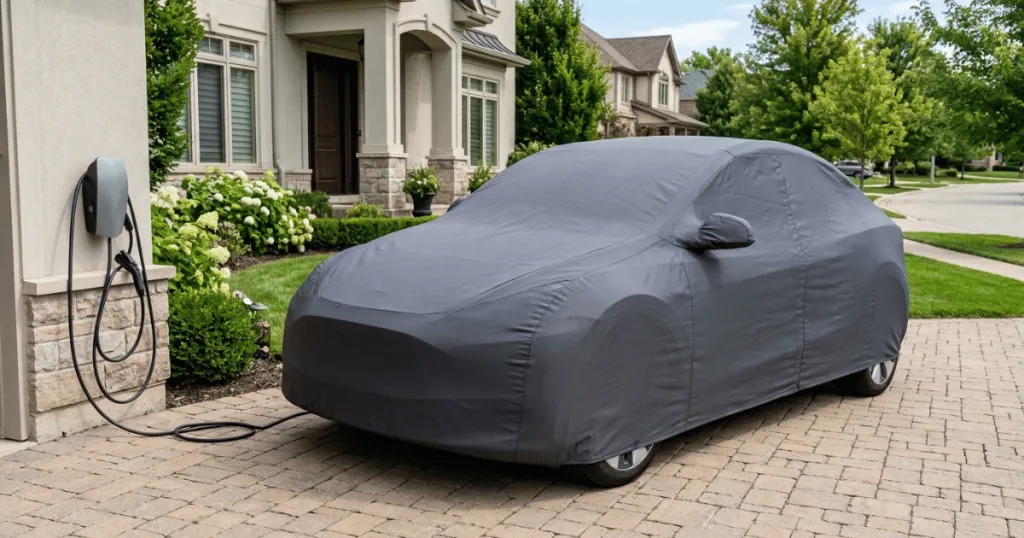
Protecting a vintage automobile requires a careful balance between shielding delicate finishes and allowing breathable airflow to prevent trapped moisture. Unlike modern daily drivers built for all-weather abuse, heritage vehicles often feature single-stage paint, lacquer finishes, chrome brightwork, and rubber seals that react poorly to trapped humidity or abrasive synthetic linings. Choosing a proper classic car cover is not about wrapping a vehicle in plastic; it is about establishing a micro-climate that guards against environmental hazards while maintaining the mechanical and aesthetic integrity of the machine.
Finding a suitable barrier means looking past universal sizing charts and evaluating how material science meets long-term garage storage or outdoor exposure. Whether your vintage roadster sits in a climate-controlled collector garage or faces weekend dust in a standard outbuilding, the fabric composition, custom pattern, and securing mechanisms dictate whether the cover preserves the vehicle or introduces new wear points.
Why Protection Requirements Differ for Vintage and Antique Vehicles
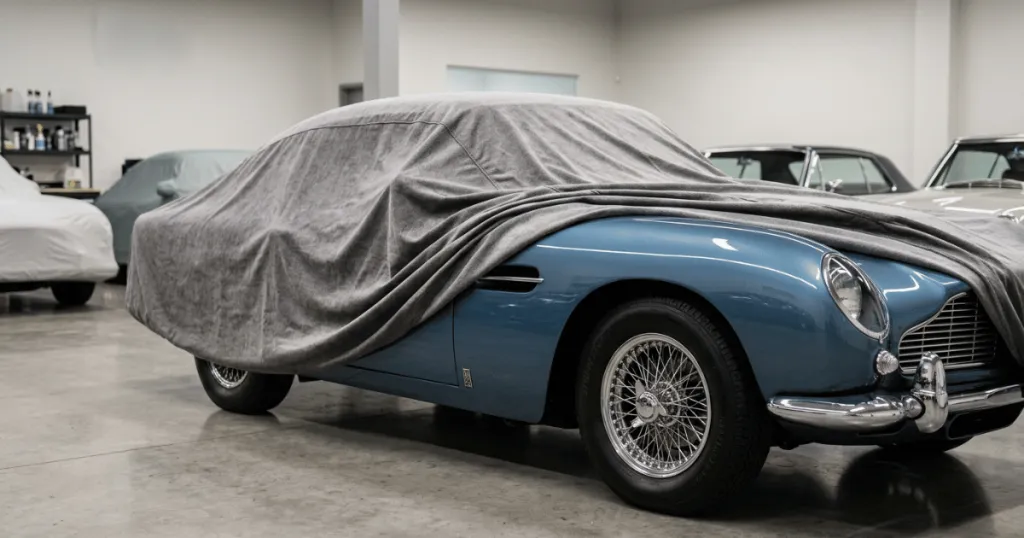
Older vehicles present unique preservation challenges that modern commuter cars rarely encounter. Vintage paint formulations lack modern clear coats, making them exceptionally vulnerable to ultraviolet degradation, chemical etching from industrial fallout, and microscopic scratching from inferior lining materials. When selecting a classic car cover, vehicle owners must weigh specific environmental factors that threaten these fragile finishes. Understanding these risks before selecting an indoor car cover or an outdoor car cover ensures your investment actively maintains the condition of the automobile rather than inadvertently accelerating cosmetic wear.
Indoor Dust and Garage Contaminants
Indoor storage is often assumed to be entirely safe, yet a garage introduces its own set of risks for historic cars. Airborne dust particles mix with fine concrete grit from garage floors, settling onto horizontal panels and acting like fine sandpaper when wiped away or when a loose protective shell shifts in the wind. A proper indoor cover prioritizes a soft, non-abrasive inner fleece coupled with a tightly woven outer weave that blocks microscopic particulate matter without holding stagnant air against lacquer or enamel paint. Even within a quiet collector garage, fine air currents carry microscopic dust that accumulates on flat surfaces, making a dedicated vintage car cover a necessity for keeping delicate paintwork pristine between weekend drives.
Ultraviolet Radiation and Outdoor Exposure
Outdoor storage accelerates oxidation on vintage trim, fades soft tops, cracks vinyl interior components, and destroys rubber window gaskets. When a historic vehicle must remain outside, a multi-layer outdoor classic car cover is essential for blocking harmful solar rays while repelling rain and morning dew. The outer layers typically feature UV inhibitors, while middle layers utilize microporous films that allow trapped moisture vapor to escape before it can condense into water droplets against the metal. Sun exposure remains one of the most aggressive degradative forces for vintage automobiles, breaking down molecular bonds in classic upholstery and drying out antique rubber weatherstripping long before mechanical components show wear.
Moisture Control and Condensation Management
Humidity fluctuations inside an unheated garage or under an outdoor shelter create severe condensation risks. As ambient temperatures drop at night, metal body panels cool down rapidly, drawing moisture from the air right onto the sheet metal. If a protective barrier lacks breathability, that water becomes trapped against the vehicle, accelerating rust in vulnerable rocker panels, floor pans, and wheel wells. High-performance fabrics mitigate this hazard by balancing water resistance with high vapor permeability, ensuring that ambient humidity escapes safely into the atmosphere rather than pooling against unprotected bare metal seams.
Material Selection and Fabric Construction Standards
The choice of fabric dictates how well the shielding textile performs over years of service. Manufacturers engineer textiles with distinct layering strategies, combining durability, softness, and weather resistance. Understanding these material tiers helps owners match their investment to the exact environmental conditions the vehicle faces daily.
Woven Cotton Blends and Flannel Linings
Natural cotton and woven poly-cotton blends offer unmatched softness for pristine garage-kept vehicles. These materials drape smoothly over complex vintage curves, fins, and protruding chrome bumpers without snagging. A brushed flannel interior provides a plush cushion that protects delicate single-stage paintwork, though these fabrics generally lack the weatherproofing required for extended outdoor parking. For caretakers prioritizing absolute paint protection in a dust-free environment, breathable natural fibers represent the gold standard of indoor vehicle stewardship.
Multi-Layer Synthetic Composite Fabrics
For outdoor storage or open-air carports, multi-layer non-woven composites represent the gold standard in weather defense. These advanced textiles typically bond an outer layer designed to shed rain and block UV rays with a middle cushioning layer and a smooth inner face. The resulting fabric is sturdy enough to withstand wind flap while remaining flexible enough to handle cold winter temperatures without cracking. Selecting a composite material tailored for diverse weather patterns ensures that sudden downpours or harsh summer sun do not compromise the underlying finish.
Evolution of Breathable Microporous Films
Modern technical textiles incorporate microscopic pores that are large enough to let heat and moisture vapor escape, yet small enough to block liquid rain droplets from entering. This breathability metric is critical for preventing the greenhouse effect under the shell during warm sunny days. Selecting a textile with proven moisture transmission rates prevents the paint blistering and mold growth common with cheap vinyl tarps.
Fit Precision and Custom Tailoring Considerations
A loose, ill-fitting shield fails to protect properly and creates severe cosmetic hazards during windy conditions. When a fabric flaps constantly against the bodywork, the friction dulls paint edges, chips delicate hood ornaments, and scuffs protruding mirrors or side-mount spare tires.
Custom Patterns Versus Universal Sizing
Universal covers rely on general length, width, and height measurements, resulting in excessive slack that acts as a sail in outdoor gusts. Custom-tailored classic car covers are patterned specifically for exact vehicle makes, models, and production years, accommodating fender flares, specialty windshield rakes, and factory accessory packages. This snug drape eliminates loose fabric pockets and ensures maximum aesthetic presentation even while parked.
Pockets and Contour Accommodations
Vintage luxury cruisers and sports cars often feature distinct design elements like exterior hood straps, side-view mirrors positioned far forward on the front fenders, or rear-mounted spare tires. Custom patterns include dedicated mirror pockets and tailored contours that relieve tension across stress points. Relieving this tension ensures the material lays flat and stays securely anchored without pulling against fragile trim pieces.
Securing Mechanisms and Wind Mitigation
Keeping a protective shell anchored securely during severe weather prevents both loss of the cover and abrasion damage to the vehicle. Relying solely on elastic hem cords is rarely sufficient for outdoor use, particularly in open coastal areas or high-wind plains.
Grommets and Reinforced Tie-Down Straps
Quality protection systems feature reinforced underbody grommets designed to accept a heavy-duty cable lock or nylon strap running beneath the chassis. This mid-body retention system prevents the front and rear from lifting during sudden gusts. Additionally, built-in hem cinches pull the lower perimeter tight against the rocker panels to keep blowing dirt and grit from sweeping underneath.
Anti-Scratch Protection for Hardware
Metal grommets and plastic buckles can easily scratch paint if they make direct contact with the bodywork. Premium classic car cover designs incorporate protective flaps over grommets or utilize coated plastic hardware that remains soft and non-marring even when pressed hard against the vehicle surface during high winds.
Evaluating Maintenance and Storage Practices
Owning a high-end protective shield requires proper ongoing maintenance to ensure it does not become a source of vehicle damage itself. Over time, airborne pollutants, tree sap, and road grime accumulate on the exterior surface of the fabric.
Cleaning and Washing Protocols
Allowing dirt to build up on the outer surface compromises breathability and transfers abrasive grit to the vehicle the next time the cover is installed. Most quality covers require periodic laundering in large-capacity, agitator-free commercial washing machines using mild liquid detergents, followed by thorough air drying. Never use harsh household bleach or fabric softeners, as these chemicals degrade water-repellent treatments and polyurethane barrier films.
Proper Folding and Storage Habits
When the vehicle is being driven, the cover must be stored cleanly to prevent picking up garage floor debris on its inner lining. Owners should roll the material loosely from front to back rather than stuffing it into a tight bag while damp. Storing a damp fabric promotes mildew growth, which emits musty odors and degrades natural fibers over time.
Preserving Automotive History Through Proper Shielding
A classic car cover serves as an essential line of defense for automotive history, bridging the gap between active driving enjoyment and safe static storage. By prioritizing breathable textiles, precise custom patterns, and rigorous tie-down security, collectors can safeguard delicate finishes against the relentless assault of dust, moisture, and ultraviolet rays. Investing time in selecting and maintaining the correct protective enclosure ensures that these rolling works of art remain pristine for future generations to admire and drive.
FAQ
Can I use an outdoor classic car cover inside a garage?
Yes, though outdoor covers are generally heavier and less plush than dedicated indoor options. If an outdoor cover is clean and breathable, it provides excellent protection in a dusty workshop or open barn.
Why do cheap plastic tarps damage vintage paint?
Inexpensive plastic tarps lack breathability, trapping moisture against the metal and causing condensation. Furthermore, their stiff polyethylene structure rubs against single-stage paint during temperature shifts, creating micro-scratches.
How often should a classic car cover be washed?
A cover should typically be washed every three to six months depending on storage conditions. If the fabric accumulates noticeable dust, tree sap, or bird droppings, clean it immediately to maintain its breathability.