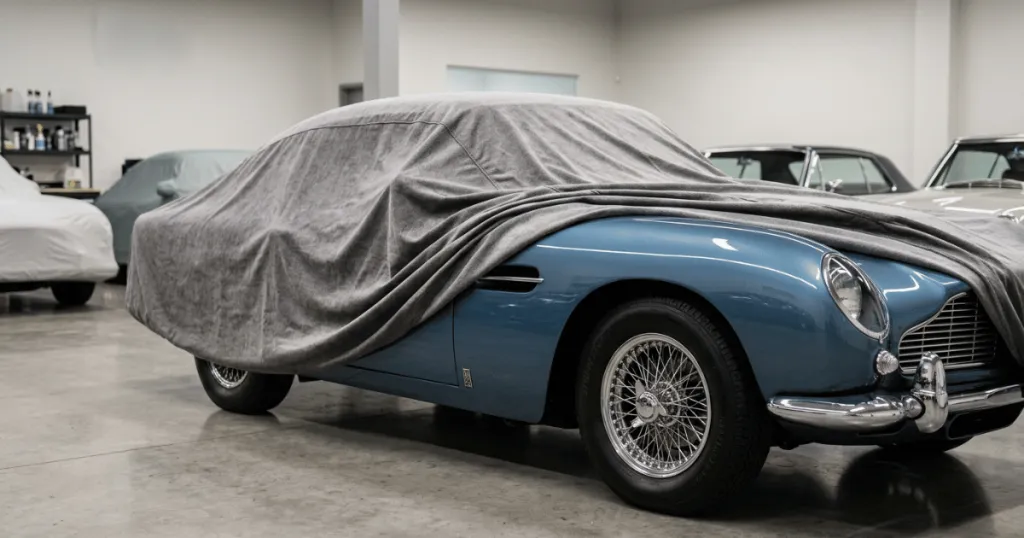
When a fleet of working trucks, delivery vans, or service automobiles sits parked overnight or between jobs, exterior exposure exacts a heavy toll on body panels and finishes. Protecting these working assets from intense sun, driving rain, and airborne debris matters right now because unchecked environmental wear accelerates depreciation, ruins professional branding, and triggers premature body corrosion. Choosing the right commercial vehicle car cover helps maintain residual value and keeps fleet vehicles looking sharp without constant detailing.
Fleet operators and independent contractors face unique parking and protection challenges that standard passenger car owners rarely encounter. Working vehicles often sit in open gravel lots, industrial parks, or tight residential driveways where they remain completely vulnerable to the elements. Understanding how these specialized covers function in demanding environments helps fleet managers make informed decisions that safeguard their capital investment over years of daily service.
Why a Commercial Vehicle Car Cover Matters for Fleet Operations
Working vehicles spend significant hours exposed to harsh weather conditions. Unlike personal passenger cars that often enjoy garage parking, utility trucks and fleet vans sit outside through scorching summer heat and freezing winter storms. A heavy-duty commercial vehicle car cover shields paint from ultraviolet degradation, prevents clear coat failure, and stops rust from forming on exposed metal edges.
Beyond weather protection, security and discretion represent major operational priorities. A fitted exterior cover hides tools, interior cargo configurations, and equipment from opportunistic eyes during off-hours. This added layer of privacy reduces break-in risks in unsecured staging areas or residential job sites. Fleet managers also find that clean, covered vehicles project a much more professional image when crews arrive at customer locations the next morning.
Insurance considerations and long-term resale value further elevate the importance of exterior protection. Fleet vehicles with well-maintained paint command significantly higher trade-in prices at the end of their operational lifecycle. Maintaining pristine exterior finishes also prevents minor surface oxidation from turning into costly structural body repairs that sideline working revenue generators. Utilizing a reliable fleet vehicle cover minimizes these risks by maintaining a physical barrier against acid rain, bird droppings, and tree sap.
Key Factors in Selecting a Commercial Vehicle Car Cover
Material Selection and Weather Resistance
Choosing the right textile dictates how well the shielding layer performs under stress. Multi-layer woven polyester and heavy-grade polypropylene offer excellent defense against intense ultraviolet radiation and wind-blown dust. Waterproof membranes keep heavy rain and melting snow away from the vehicle surface while remaining breathable enough to prevent trapped condensation from causing mold or mildew underneath. This balance is critical for utility truck cover configurations that encounter fluctuating ambient temperatures throughout the changing seasons.
Sizing and Fit Configurations
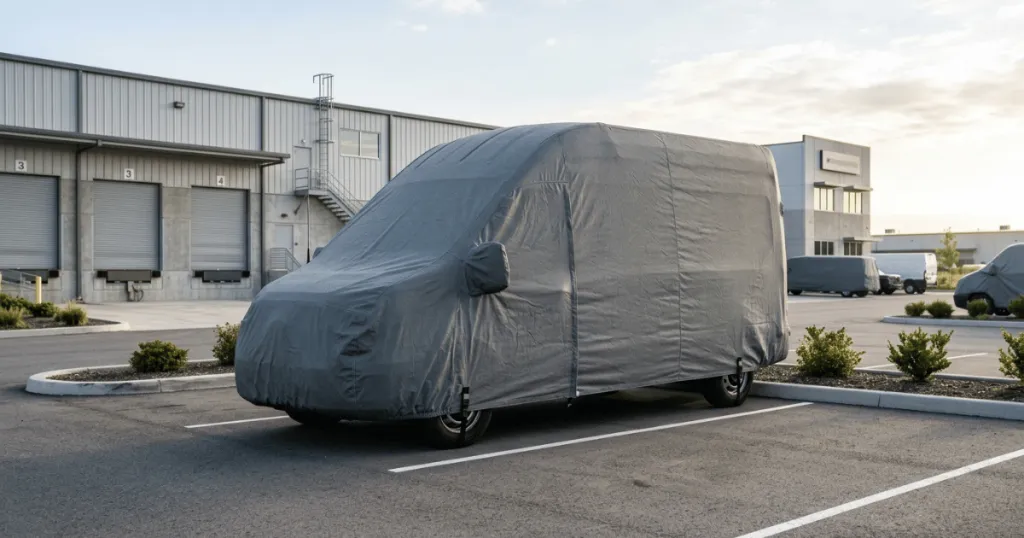
Commercial fleets require precise sizing to accommodate utility racks, ladder brackets, or specialized service bodies. Universal covers rarely fit modified vans or lifted pickup trucks correctly. Custom or heavy-duty semi-custom designs feature tailored pockets for side mirrors and extended roof attachments, ensuring the fabric stays anchored during severe windstorms without flapping against the paint. A well-fitted delivery van cover ensures that unusual protrusions do not create excessive tension points that tear the fabric.
Securing Mechanisms and Wind Mitigation
High winds can easily lift loose fabric and turn a protective layer into a damaging abrasive sail. A proper heavy-duty car cover relies on heavy-duty underbody straps, reinforced grommets, and integrated cable locks to keep the material firmly in place. Fleet locations often experience open-lot wind tunnels, making robust tie-down systems non-negotiable for overnight security.
Real-World Fleet Storage Scenarios and Practical Challenges
Open Industrial Yards and Construction Lots
Vehicles parked in open industrial parks face constant hazards from airborne construction dust, metal shavings, and chemical fallout. A multi-layer barrier cover acts as a physical shield against abrasive particles that scratch clear coats during daily winds. Maintenance crews must inspect the underside of the fabric regularly to ensure trapped grit does not grind into the paint during outdoor vehicle storage routines.
Urban Street Parking and Delivery Routes
Delivery vans left on busy metropolitan streets overnight encounter aggressive environmental contaminants like road grime, soot, and urban pollution. Using a breathable cover prevents these acidic residues from baking into the paint during daytime heat. The installation process must remain fast and straightforward so drivers do not skip protection routines during busy shifts.
Seasonal Fleet Storage and Standby Units
Backup trucks and seasonal service vehicles often sit untouched for months at a time. Long-term outdoor storage requires a heavy-gauge protective barrier treated specifically to resist ultraviolet breakdown over extended periods. Securing the perimeter tightly prevents local wildlife from nesting under the chassis or chewing through wiring harnesses, safeguarding your investment during dormant periods.
Common Misconceptions About Fleet Vehicle Protection
A widespread myth suggests that putting a cover on a dirty vehicle causes no harm. In reality, trapping mud and grit beneath tight fabric turns the cover into fine sandpaper whenever the wind shifts. Technicians should always rinse heavy dirt off the vehicle body before installing any protective layer, ensuring that uv protection and paint preservation efforts are not undermined by trapped debris.
Another frequent misunderstanding involves the assumption that all heavy materials are completely waterproof. Some thick canvas covers absorb moisture and hold it against the paint, which accelerates corrosion rather than stopping it. Modern engineered textiles rely on microporous technology to block liquid water while letting trapped humidity evaporate safely, supporting ongoing corrosion prevention across commercial fleet operations.
Maximizing the Lifespan of Your Fleet Covers
Proper maintenance ensures that protective covers survive multiple seasons of heavy industrial use. Operators should clean the fabric periodically by washing it while draped over the vehicle using mild soap and a soft brush. Storing the material in a breathable storage bag when not in use prevents premature fabric rot and keeps deployment hassle-free.
Ultimately, investing time in proper cover selection and maintenance pays off through reduced body shop bills and preserved vehicle appearance. From safeguarding branding decals against fading to preventing rust in vulnerable door jambs, a commercial vehicle car cover remains a practical asset for any serious fleet management strategy. Integrating these protective habits into daily standard operating procedures safeguards both the physical vehicle body panels and the professional reputation of the enterprise.
FAQ
Why is a specialized commercial vehicle car cover necessary for a fleet?
Commercial fleets often park outdoors in industrial yards, exposed to harsh sun, wind, and airborne contaminants that degrade paint and accelerate depreciation. Specialized covers protect these working assets and maintain professional branding.
How do I choose the right size for a commercial fleet vehicle?
Fleet vehicles frequently feature modifications like ladder racks, service bodies, or tool boxes. Custom or semi-custom sizing accommodates these specific structural elements far better than generic universal covers.