When investing in a premium automobile, keeping the exterior finish pristine requires specialized shielding against environmental damage. Owners of high-end vehicles often ask whether a standard protective sheet is sufficient or if a dedicated luxury car cover is truly necessary for garage or outdoor parking. The short answer is that high-end vehicles demand tailored materials, soft inner linings, and precise fitment to prevent microscopic paint abrasion, moisture accumulation, and finish degradation.
Choosing the right protection goes beyond simply throwing a piece of fabric over the bodywork. Paint systems on exotic, classic, and prestige vehicles often feature delicate clear coats, custom metallic flakes, or specialized matte finishes that react poorly to inferior textiles. Understanding the structural differences between basic store-bought shields and bespoke vehicle protection helps owners safeguard their investments against everyday hazards like UV rays, industrial fallout, and accidental garage bumps.
Furthermore, maintaining the exterior of an elite automobile involves evaluating how regional climates interact with specialized coatings. High-end automotive care relies on proactive shielding rather than reactive restoration, making the choice of an advanced protective layer a fundamental aspect of long-term preservation for discerning owners.
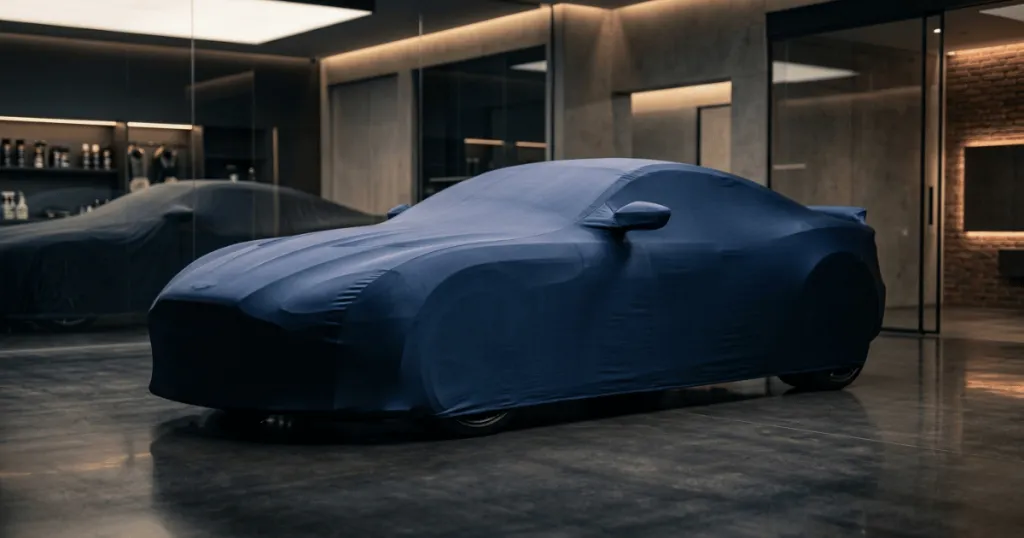
Why Selecting a Luxury Car Cover Matters for High-End Vehicles
High-end automotive finishes require specialized care because modern clear coats and vintage single-stage paints react differently to atmospheric conditions than standard factory coatings. When a vehicle sits outdoors or inside a dusty garage, microscopic airborne particles settle onto the paint surface. If a protective covering lacks a proper inner fleece lining, wind movement causes the fabric to drag those abrasive particles across the paint, creating fine swirl marks that demand professional correction. Vehicle storage demands an appreciation of how atmospheric contaminants interact with delicate paint systems over extended periods.
Beyond surface friction, environmental exposure poses serious risks to rubber seals, leather interiors, and exterior brightwork. Unprotected sun exposure breaks down window seals, fades leather dashboards through windshield glass, and oxidizes exposed aluminum trim. A properly engineered vehicle wrap minimizes thermal loading, keeping cabin temperatures lower while shielding the clear coat from ultraviolet radiation that causes premature aging. alloy wheels and chrome accents also benefit from this complete atmospheric separation, remaining free from airborne oxidation agents.
Moisture control represents another critical factor in high-end vehicle preservation. Trapped condensation can lead to mold growth on convertible soft tops and rust formation on vulnerable underbody components. Premium exterior protection balances weather resistance with breathability, allowing trapped humidity to escape into the atmosphere before it can damage the paintwork or cause metal oxidation. Maintaining a controlled microclimate underneath the textile barrier prevents the chemical reactions that accelerate structural degradation in fine automobiles.
Key Factors in Choosing the Ideal Luxury Car Cover
Selecting the right protective solution involves examining several material and design elements. Each factor influences how well the textile shields the vehicle against specific environmental threats without causing unintended friction or moisture damage. Evaluating these technical specifications ensures that the chosen outdoor car cover or indoor car cover performs reliably across changing seasons.
Material Composition and Layers
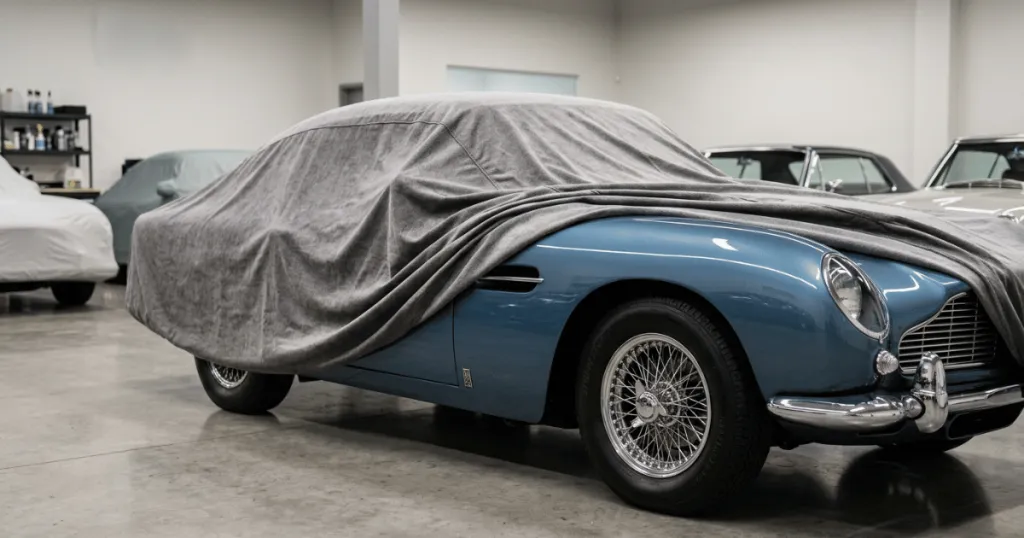
Multi-layered synthetic textiles offer superior impact resistance and weather defense compared to single-layer canvases. These advanced fabrics combine a durable outer shell with a microscopic waterproof barrier and a plush, non-abrasive inner fleece. The outer layer repels rain, bird droppings, and tree sap, while the innermost layer rests gently against the clear coat to eliminate friction hazards. Selecting the correct car cover fabric types determines whether the textile repels intense solar radiation or simply absorbs heat.
Fitment Precision
Bespoke or custom-tailored patterns hug every contour, mirror pocket, and bumper curve of a specific automobile model. Universal options tend to flap aggressively in high winds, which concentrates friction on high points like fenders and roof edges. A precision fit eliminates loose material, ensuring the entire shield remains stable and secure during stormy weather conditions. A custom car cover engineered for exact body dimensions prevents the shifting that causes paint marring on exotic cars and sports cars.
Breathability Ratings
High-performance fabrics utilize microscopic pores that let trapped moisture vapor escape while blocking liquid water droplets from entering. This vapor transmission prevents condensation from pooling on the sheet metal during rapid temperature swings. Without adequate breathability, morning dew becomes trapped against the paint, leading to mineral deposits and water etching. A truly breathable car cover ensures that relative humidity levels under the protective shell remain stable regardless of external weather shifts.
Handling and Storage Weight
Heavy canvas alternatives offer extreme durability but can prove difficult to lift, fold, and store for daily drivers. Modern multi-layer synthetic textiles achieve high weather resistance while remaining lightweight and pliable. Owners should weigh the convenience of daily installation against the specific climatic severity of their region before committing to a heavy-duty fabric. A weatherproof car cover must strike a balance between structural durability and ease of handling during routine maintenance routines.
Real-World Storage Scenarios and Protection Strategies
Environmental conditions dictate which protective approach works best for a given vehicle. Applying the wrong type of shielding for a specific storage environment can accelerate wear rather than preventing it. Whether addressing a daily driver parked on an open driveway or a weekend machine resting in a subterranean parking structure, matching the barrier to the environment is essential.
Outdoor Elemental Defense
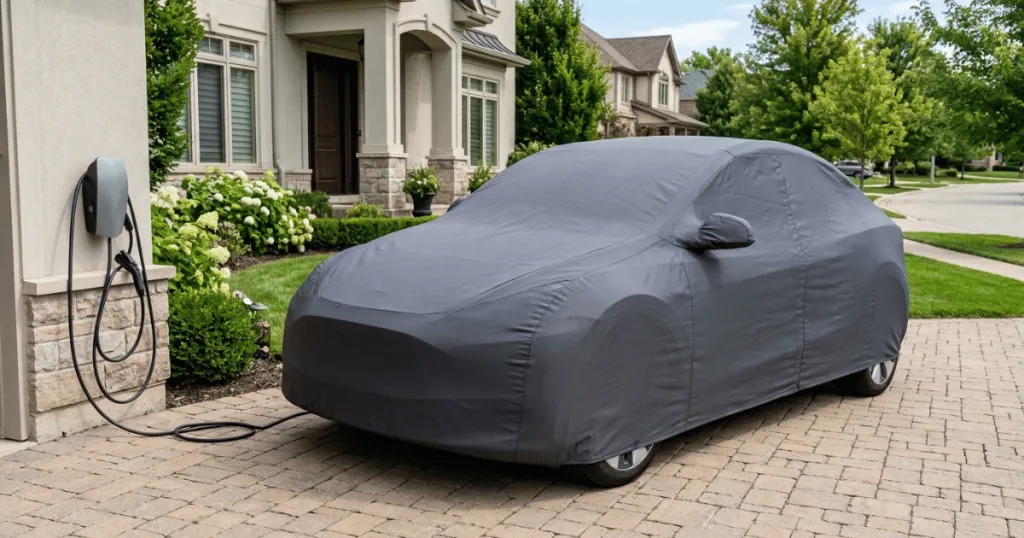
Vehicles parked outside face continuous assault from ultraviolet radiation, heavy rain, windborne dust, and acidic tree sap. An outdoor luxury car cover must feature strong UV inhibitors integrated directly into the weave to prevent the fabric from degrading under harsh sunlight. Waterproof or highly water-resistant treatments keep moisture away from the metal, while reinforced grommets allow owners to lock the shield in place against strong gusts. This defense level stops environmental fallout from bonding with the clear coat during extended outdoor stays.
Indoor Garage Preservation
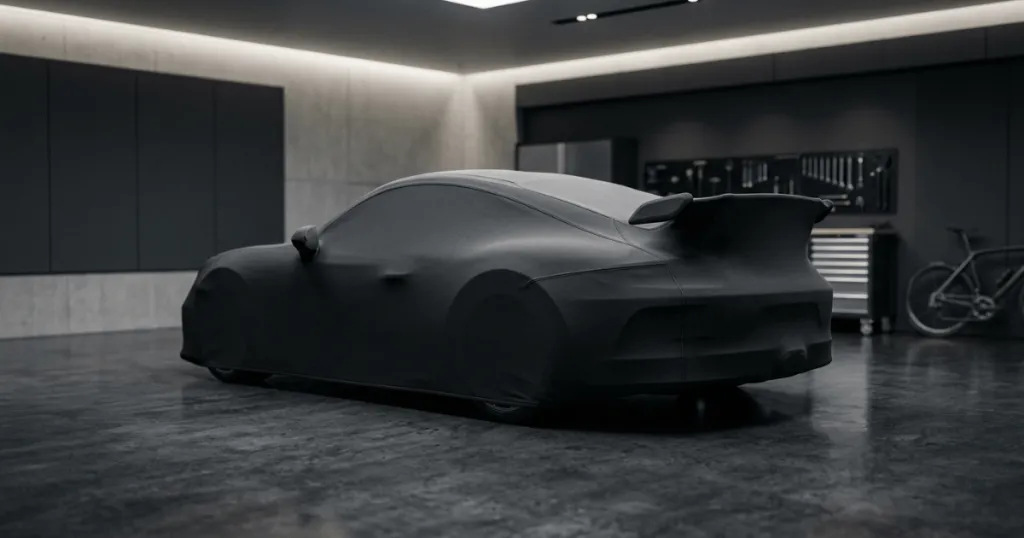
Indoor storage environments present different challenges, primarily airborne dust accumulation, accidental garage bumps, and fluctuating humidity levels. Indoor protective wear prioritizes breathability and extreme softness over heavy waterproofing. A lightweight satin or woven cotton-blend fabric keeps fine masonry dust off the paint while remaining easy to remove and store in a compact trunk bag. Garaged vehicles still accumulate abrasive particulate matter that requires gentle containment.
All-Weather Climatic Shifts
Regions prone to extreme temperature swings require materials that maintain flexibility in freezing cold and structural integrity in blazing heat. Vinyl and rigid plastic-based sheets stiffen and crack in winter temperatures, potentially scratching the paint during installation. Flexible woven synthetics adapt to thermal expansion and contraction without transferring stress to the vehicle bodywork. Seasonal shifts demand adaptability from any high-end protective shielding.
Common Misconceptions About High-End Vehicle Protection
Many vehicle owners assume that any thick covering provides adequate protection against the elements. In reality, heavy weight does not automatically equate to superior paint safety. A heavy canvas sheet without a soft inner lining can trap dust and grind it into the clear coat every time a breeze stirs the fabric. Understanding true material science dispels the myth that thickness alone guarantees safety.
Another frequent misunderstanding involves the use of 100 percent waterproof plastics. While completely impermeable plastics stop rain, they also trap ground moisture evaporating from the pavement underneath the vehicle. This creates a humid microclimate that promotes mold growth, rust, and paint blistering over extended storage periods. Breathable multi-layer textiles solve this issue by blocking liquid water from the outside while letting trapped vapor escape freely.
Some owners believe that washing a car immediately before installation is unnecessary if the shield stays on for weeks. Even minor dust films left on the paint act as sandpaper when combined with the micro-movements of a protective covering. Ensuring the vehicle surface is clean before application remains essential for maintaining a flawless finish.
Why Proper Vehicle Protection Is Essential for Long-Term Value
Preserving the aesthetic and structural integrity of a prestige automobile directly influences its long-term market value. Paint correction procedures, clear coat replacements, and leather restoration projects carry substantial costs that far outweigh the investment in a quality protective shield. Protecting the exterior from daily environmental exposure maintains the factory finish and reduces the frequency of professional detailing interventions.
In practice, utilizing a well-fitted luxury car cover creates a reliable barrier against unpredictable environmental hazards that occur even in secure parking areas. Bird droppings, industrial fallout, and falling twigs can etch modern clear coats within hours if left unattended under a hot sun. A dedicated shield acts as the first line of defense, absorbing environmental wear so the underlying paintwork remains untouched.
Ultimately, safeguarding a high-end vehicle requires matching the protection level to the specific parking environment and climatic demands. By avoiding common pitfalls like non-breathable plastics and loose universal fits, owners ensure their vehicles remain in pristine condition for years to come.
FAQ
Can I use an outdoor luxury car cover inside a garage?
Using an outdoor cover indoors is possible, but outdoor models are often heavier, bulkier, and less breathable than dedicated indoor satin or fleece-lined covers designed specifically for garage storage.
How often should I clean my protective cover?
Protective shields should be washed whenever visible dust, pollen, or grime accumulates on the outer surface, typically every few months depending on storage conditions, to prevent abrasive particles from transferring to the paint.
Does a custom fit matter more than fabric quality?
Both factors are equally important because a poor fit allows wind flapping that causes friction damage, while inferior fabric can trap moisture or lack the necessary UV inhibitors for long-term paint preservation.