An electric vehicle needs specialized exterior protection that accounts for unique charging ports, heavy battery packs, and sensitive electronic architectures. Selecting an ev car cover requires more than matching standard dimensions because modern electric models have distinct thermal and port considerations.
Standard universal sheets often trap moisture or block charging access, creating frustrating hurdles for daily drivers. Understanding the distinct properties of electric models helps owners choose functional shelter rather than generic fabric barriers.
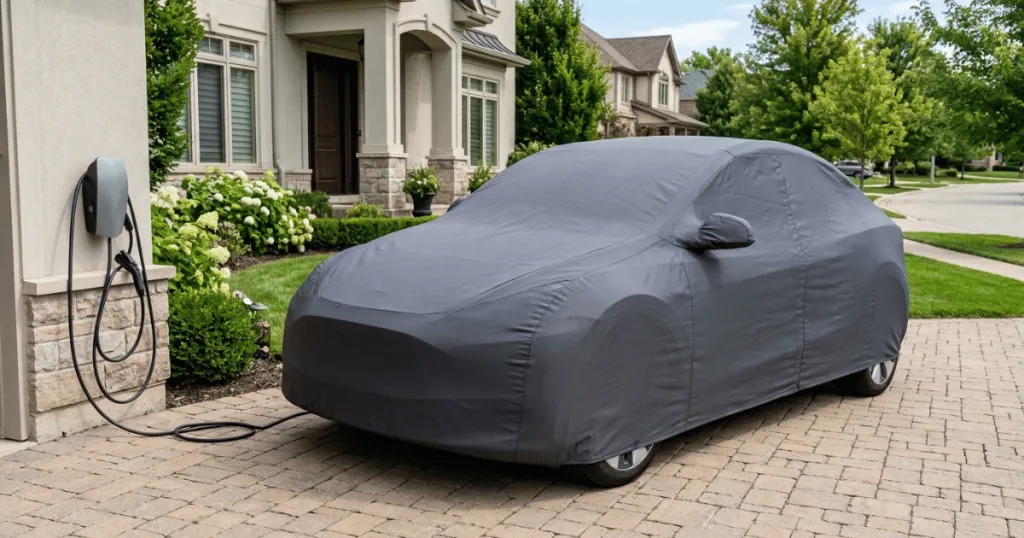
Why Standard Shields Fall Short on Modern Electric Models
Electric cars present unique structural traits that differentiate them from traditional internal combustion vehicles. The low-slung skateboard chassis, integrated charging flap locations, and continuous thermal management systems all influence how an exterior shield interacts with the painted body.
Generic shelters rarely account for these variations, leaving vital charging zones exposed or creating unnecessary friction against flush door handles. A well-designed ev car cover addresses these specific architectural differences without sacrificing ease of use.
Furthermore, internal combustion vehicles generate residual engine heat after driving, which aids in evaporating trapped moisture from beneath a traditional canvas shell. Electric vehicles lack this high-temperature heat source. When humidity gets trapped beneath a non-porous barrier on a cold battery pack, it lingers against the clear coat much longer, increasing the risk of water spotting and environmental etching. Owners must account for this shift in thermal dynamics when picking an electric vehicle cover, as passive ventilation becomes far more critical than trapped warmth.
Charging Port Access and Cable Clearance
Many electric cars rely on overnight home charging while parked outdoors or in a garage. Traditional fabric sheets force owners to completely remove the entire barrier just to plug in the charging cable.
Specialized electric vehicle shelters frequently feature zippered access panels situated precisely where the charge port resides. This thoughtful engineering lets you connect your charger directly to the vehicle without wrestling with wet or dusty fabric panels. When evaluating a charging port access car cover, check whether the zipper is padded or guarded by a fabric flap to prevent scratching the surrounding paint during plug-in operations.
Managing tethered cables in windy weather also complicates daily routines. If a protective wrap lacks dedicated cable clearance notches, the wire can pull tightly against the fabric edge, causing it to flap incessantly against the fender. Selecting a model built with specific port cutouts prevents this friction and protects the finish around the charging inlet.
Thermal Management and Battery Pack Protection
Internal combustion vehicles generate engine heat that rapidly evaporates trapped condensation beneath a heavy shelter. Electric models remain cool, meaning moisture trapped by cheap materials lingers against the clear coat much longer.
Breathable multilayer textiles prevent condensation barrier buildup while still blocking damaging UV radiation. Maintaining a dry microclimate beneath the fabric keeps the paint finish and exterior sensors operating without interference. When thermal management systems cycle on automatically during hot days, a proper uv resistant vehicle shelter ensures that solar heat does not compound the internal battery cooling load, especially if the vehicle sits parked in direct sunlight for extended stretches.
Exterior sensors, such as ultrasonic parking aids and surround-view camera lenses, sit flush with the body panels on modern EVs. If an exterior layer shifts or sags against these optics, it can deposit fine dust or abrasive grit directly onto the glass surfaces. A well-fitted shell maintains enough tension to hover slightly over sensitive sensor arrays, protecting them from airborne contaminants without triggering false obstruction warnings when you power on the vehicle.
Key Material Choices for Electric Vehicle Protection
Selecting the proper textile dictates how well the barrier handles wind, sun, and moisture. Different climates demand distinct fabric compositions to prevent paint damage and premature degradation.
Understanding how specific weaves interact with local weather patterns helps drivers avoid premature fabric breakdown and surface marring. A textile that excels in arid, sun-scorched environments may lack the waterproof qualities required for persistent coastal dampness. Weighing these material trade-offs ensures the chosen barrier performs reliably over multiple seasons of continuous outdoor exposure.
Multi-Layer Woven Polyester and Polypropylene
Woven polyester blends offer exceptional durability against intense sunlight and heavy rainstorms. These engineered materials balance high tensile strength with microscopic porosity to allow vapor escape.
Using a multi-layer design cushions the vehicle against minor impacts from falling tree debris or neighborhood pets. It provides dependable defense without feeling abrasive against soft clear coats. For outdoor storage, a polypropylene composition adds inherent resistance to mildew and rot, making it a reliable choice for humid regions where organic debris quickly breaks down standard fabrics.
The outer layer typically receives a specialized treatment to shed water droplets on contact, while the innermost layer features a soft, brushed fleece lining. This dual-purpose construction ensures that while moisture is actively repelled from the outside, any humidity that manages to condense underneath is safely diffused through the breathable core before it can settle into the paint.
Micro-Porous Films and Weather Barriers
Advanced micro-porous laminates block liquid water droplets from penetrating downward while letting trapped humidity evaporate upward. This unidirectional vapor transfer is essential for modern electric automobiles sitting idle during humid seasons.
These films resist tearing in high winds while remaining lightweight enough for effortless solo installation and removal. When paired with a robust outdoor protection strategy, micro-porous layers prevent the blistering and clouding that often plague older, single-ply vinyl sheets.
It is also worth noting that these advanced laminates require proper maintenance to function at peak efficiency. Over time, microscopic pores can become clogged with fine road dust, pollen, or atmospheric fallout. Periodic washing restores the breathable performance of the fabric, ensuring that the moisture barrier continues to protect the exterior finish without restricting airflow.
Fit Categories: Custom vs. Universal Options
The method of attachment directly influences how well the exterior shell performs during severe weather. Ill-fitting alternatives flap violently in the breeze, wearing down clear coats through friction.
Choosing between a universal wrap and a precision-tailored option involves balancing upfront costs against long-term paint preservation. While universal sizes fit multiple vehicles, they often introduce slack that invites wind damage.
Custom-Tailored Patterns for Specific Chassis Shapes
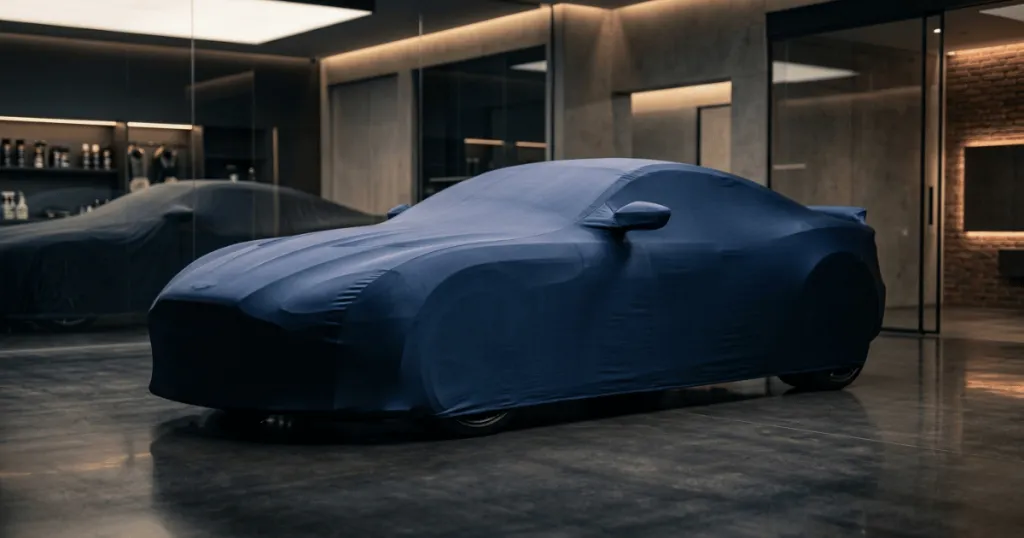
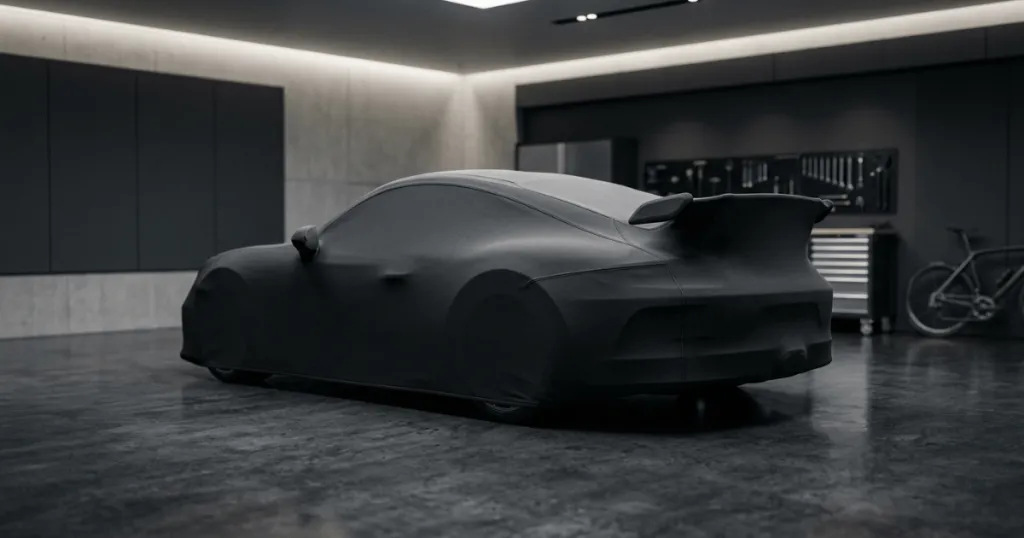
Custom patterns follow the exact contours of specific electric models, accommodating side mirrors, charging doors, and aerodynamic spoilers perfectly. Elasticized hems tuck securely beneath the bumpers to prevent wind lift.
Investing in a custom fit electric car cover eliminates loose fabric flaps that create annoying flapping noises and abrasive rubbing spots. Because electric vehicles often feature unique rooflines and tapered tailgates designed for maximum aerodynamic efficiency, a generic rectangle of fabric will sag in some areas and pull taut in others, creating concentrated pressure points.
Furthermore, custom patterns often include dedicated pocket cutouts for exterior mirrors and antennas. This precise contouring eliminates the stretching and tearing common in universal designs where mirrors pull against the fabric seams during heavy gusts.
Universal and Semi-Custom Alternatives
Universal options use broad size brackets based purely on overall vehicle length rather than specific body lines. While budget-friendly, they often require supplemental tie-down straps to stay anchored during sudden storms.
Semi-custom variants bridge the gap by offering general sedan, coupe, or crossover cuts with adjustable drawstrings for a snugger fit. These intermediate options work well for motorists who frequently change vehicles or park in sheltered carport environments where severe wind shear is less of a concern.
When using a universal variant, securing the center grommets with a coated cable lock helps mitigate wind lift, though it requires more effort during daily setup and removal routines.
Real-World Storage Scenarios and Climate Challenges
Environmental exposure dictates how frequently you must clean and maintain your vehicle protection setup. Sunbaked asphalt demands different protective priorities than damp coastal driveways.
Analysing local weather patterns ensures that your protective investment targets the exact environmental threats your vehicle faces daily. A vehicle parked beneath pine trees in the Pacific Northwest requires a different defense strategy than one exposed to intense UV rays in the Southwest.
Intense Sunlight and UV Radiation Exposure
In high-temperature regions, constant ultraviolet exposure degrades rubber seals, plastic trim, and exterior paint finishes. A reflective outer coating on an ev car cover bounces solar radiation away from the vehicle body.
This thermal reflection helps lower interior cabin temperatures, reducing the strain on climate control systems when you are ready to drive. Lower cabin heat also reduces stress on high-voltage battery packs that rely on active cooling loops while parked.
Extended sun exposure can also embrittle lower-quality synthetic fabrics, causing them to turn powdery and disintegrate after a single season. Choosing a UV-stabilized textile ensures the shelter maintains its structural integrity and protective filtering capability over years of uninterrupted desert sun exposure.
Coastal Environments and Salt Air Resistance
Coastal areas present airborne salt mist that accelerates corrosion on exposed metal fasteners and electrical components. A tightly woven textile barrier prevents salt accumulation on exterior panels.
Rinsing the exterior shelter periodically removes accumulated salt deposits, preserving the integrity of the breathable membrane. Without this barrier, salty marine air can settle on delicate chrome trim, window seals, and aluminum body panels, initiating pitting and oxidation.
In addition to salt spray, coastal regions often feature high humidity and frequent morning fog. A reliable moisture-shedding exterior shell keeps this heavy dampness from pooling against the lower rocker panels and wheel arches.
Evaluating the Importance of Exterior Vehicle Shelters
Protecting an expensive automotive investment requires proactive measures against environmental hazards that degrade exterior finishes over time. Exterior paint repair and glass replacement cost substantially more than a quality protective shell.
Furthermore, keeping exterior sensors, cameras, and charging flaps clean ensures autonomous driving features and daily charging routines operate without obstruction. A dedicated ev car cover acts as a reliable insurance policy against environmental wear.
Neglecting basic exterior protection often leads to baked-on tree sap, bird droppings that etch clear coats, and fading trim plastics. Taking proactive steps preserves long-term vehicle appearance and structural condition.
Beyond cosmetic upkeep, shielding an electric vehicle helps maintain its residual value by preventing premature paint oxidation and trim fading. Because many modern electric cars feature expansive glass roofs and specialized paint finishes, safeguarding these surfaces from environmental degradation pays dividends when it comes time to trade or sell the vehicle.
Common Misconceptions About Electric Vehicle Covers
Many owners assume any standard automotive wrap will suffice for an electric model. This oversight often leads to trapped moisture and scratched paint surfaces.
Another frequent myth is that breathable textiles let dust infiltrate the cabin. High-density weave patterns block microscopic airborne dust while maintaining necessary air circulation.
Finally, some drivers believe indoor storage eliminates the need for any protective layer. Even indoor parking bays accumulate abrasive dust and accidental garage bumps over time.
Another prevalent myth is that leaving a cover on during heavy rain will automatically wash the vehicle underneath. In reality, wind-driven grit can seep beneath loose hems, turning trapped rainwater into an abrasive slurry that scours the clear coat.
Conclusion and Practical Purchasing Guidance
Choosing the correct ev car cover comes down to analyzing your local climate, storage conditions, and charging habits. Prioritize breathable multi-layer textiles and precise fitment over generic budget alternatives.
Check for dedicated charging port access if you plug your vehicle in while covered. Investing time in proper selection ensures your electric vehicle remains pristine through every season.
FAQ
Do I need a special ev car cover if I park inside a garage?
Indoor parking introduces dust accumulation and accidental contact risks. A lightweight, breathable dust cover protects the paint finish without trapping moisture.
Can I charge my electric car while the cover is on?
You can charge with the cover on if it features a dedicated zippered charging port access panel. Otherwise, standard covers must be partially removed.
How do I clean an electric vehicle exterior shelter?
Spread the cover over the car while secured, wash it down with mild automotive soap and water, rinse thoroughly, and let it air dry completely before storage.