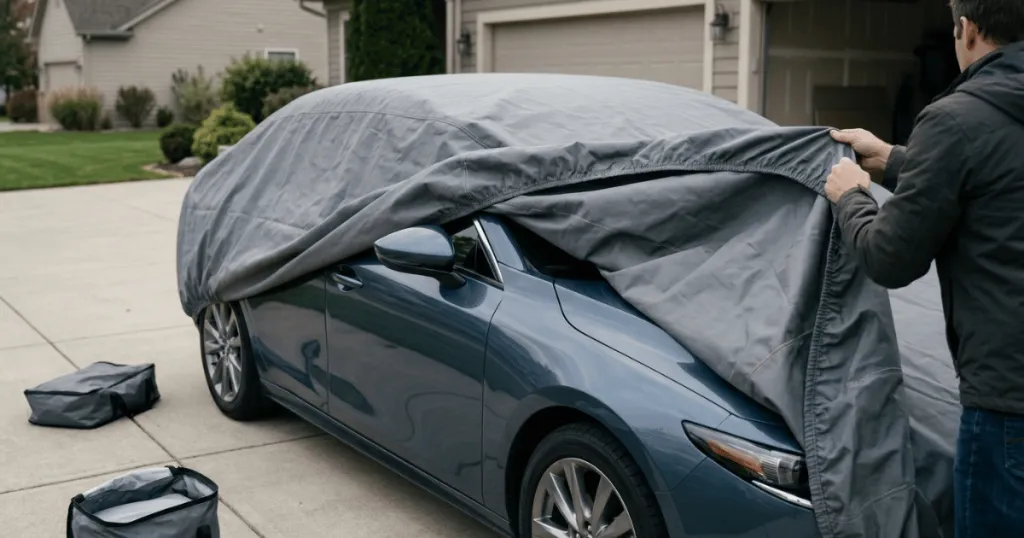
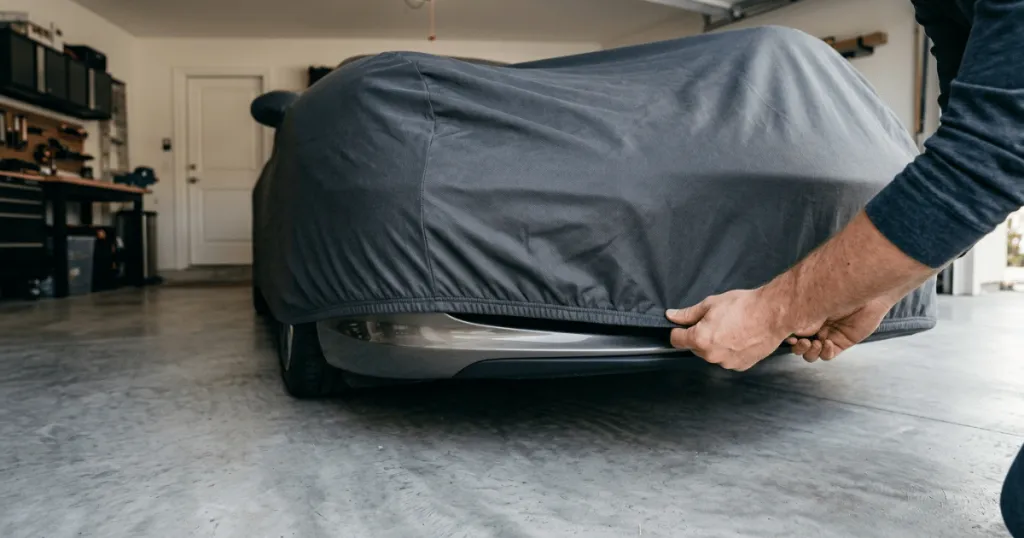
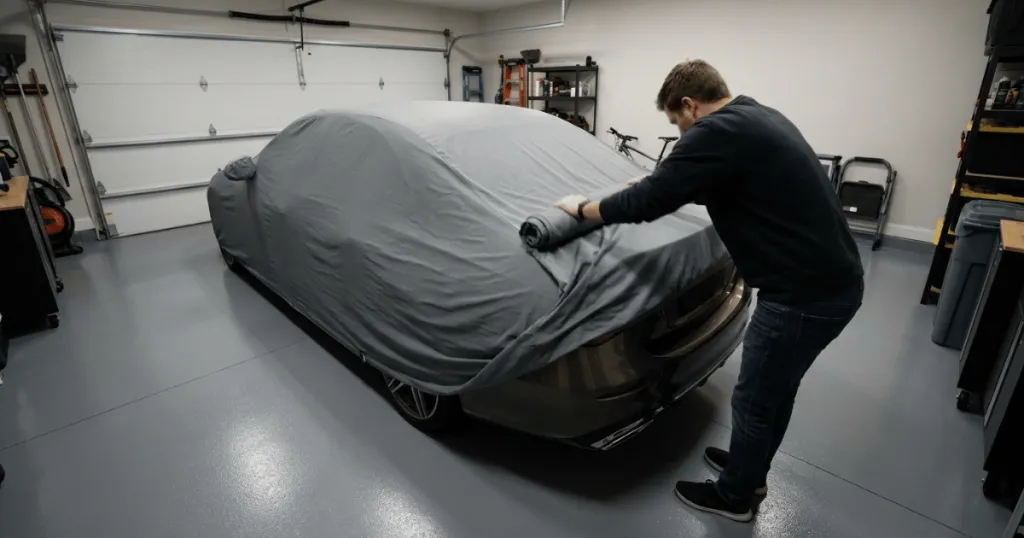
When investing in a quality car cover to protect your vehicle from the elements, dust, and potential scratches, ensuring it stays securely in place is paramount. This is where a car cover grommet cable lock becomes an essential accessory. It is a small but critical component designed to work with the grommets often found on the edges of car covers, providing a robust method to tether the cover to your vehicle and deter unwanted removal or shifting.
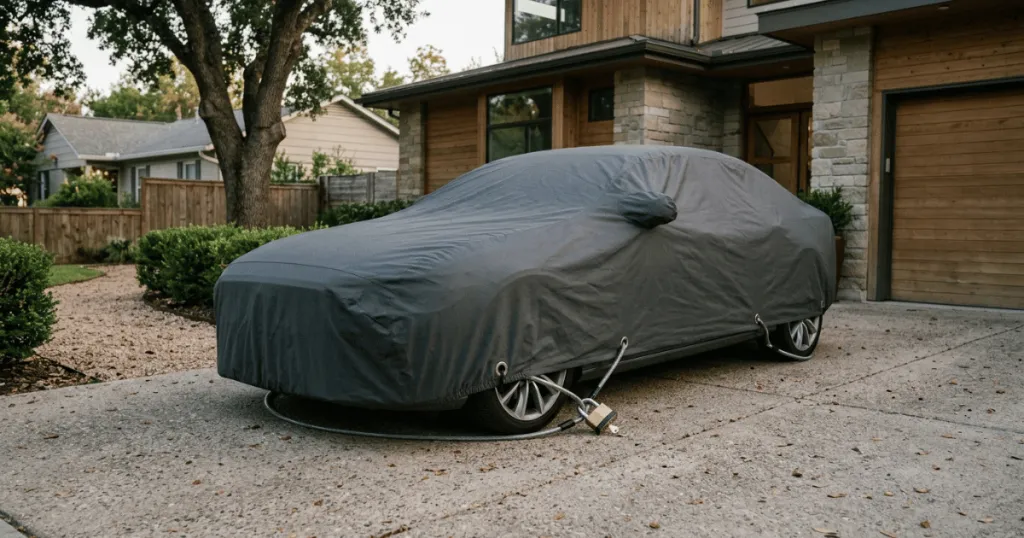
A car cover grommet cable lock system typically involves a sturdy cable that threads through the grommets of the car cover and then locks securely, often around a wheel or other fixed point on the vehicle. This not only prevents the cover from being blown away by strong winds but also acts as a deterrent against opportunistic theft of the cover itself, which can be an expensive item. Understanding its function and benefits is key to maximizing the protective value of your car cover.
Understanding the Car Cover Grommet Cable Lock System
At its core, a car cover grommet cable lock is a security and anchoring mechanism. Most quality car covers, especially those designed for outdoor use or prolonged storage, feature reinforced grommets, usually made of metal or durable plastic, spaced along the bottom hem. These grommets serve as anchor points.
The cable lock system typically consists of a strong, often braided steel or nylon-coated cable, and a locking mechanism. The cable is designed to be long enough to loop around a part of the vehicle, such as a wheel or chassis component, and then pass back through the grommets of the car cover. The lock itself can vary; some are simple keyed locks, while others might use a combination or a more advanced locking mechanism. The primary function is to create a secure connection that is difficult to tamper with or remove without the proper tool or key.
This system is particularly valuable for vehicle owners who park their cars in exposed areas, such as driveways, parking lots, or even on the street. Without a secure locking mechanism, a car cover can become a liability in windy conditions, potentially flapping, tearing, or being completely removed. The cable lock transforms a simple fabric shield into a more integrated protective system.
Key Components and How They Work Together
The effectiveness of a car cover grommet cable lock relies on the synergy between its parts. Understanding each component helps in appreciating the overall security it provides.
The Grommets
Grommets are the reinforced eyelets found on the car cover, typically along the lower edges. They are essential for threading the locking cable. The quality of the grommets is important; they should be robust enough to withstand the tension from the cable and the elements without tearing the cover material. Metal grommets are generally more durable than plastic ones, especially under constant tension or exposure to UV rays and moisture.
The Cable
The cable itself is usually made from strong materials like braided steel, which offers high tensile strength and resistance to cutting. It might be coated in vinyl or nylon to protect the car cover material from abrasion and to prevent rust. The length and flexibility of the cable are also crucial factors, allowing it to be routed easily around different vehicle parts without being too cumbersome.
The Locking Mechanism
This is the heart of the security system. Common types include:
- Keyed Locks: These are the most traditional and often provide a good balance of security and ease of use. They require a specific key to open and lock.
- Combination Locks: These eliminate the need for a key, relying on a set of numbers. While convenient, they might offer slightly less security than high-quality keyed locks, depending on the complexity of the combination.
- Integrated Lock Systems: Some premium car covers come with built-in locking mechanisms that are part of the cover’s design, often featuring a cable that passes through internal channels and locks at a central point.
The locking mechanism must be weather-resistant to prevent corrosion and seizing, especially if the vehicle is stored outdoors. A well-designed lock will also be difficult to pick or force open.
Benefits of Using a Car Cover Grommet Cable Lock
Integrating a cable lock system with your car cover offers several significant advantages, enhancing both protection and peace of mind.
Enhanced Security Against Wind
One of the most immediate benefits is superior protection against wind. Without a lock, a car cover can easily be lifted, shifted, or completely blown off by strong gusts, leaving your vehicle exposed. The cable lock anchors the cover firmly to the vehicle, preventing it from being dislodged by even severe weather. This is especially critical for vehicles parked in open areas like driveways, fields, or exposed parking lots.
Deterrent Against Cover Theft
Car covers, particularly custom-fit or high-quality ones, can be expensive. A cable lock makes the cover itself a less attractive target for opportunistic theft. If a thief cannot easily remove the cover, they are less likely to attempt to steal it. This adds a layer of security for the cover itself, protecting your investment.
Protection Against Tampering and Vandalism
Beyond wind and theft, the locked cover can deter casual tampering or vandalism. A cover that is securely fastened is harder to pull aside or remove to expose the vehicle to potential damage or mischief. While not a foolproof anti-vandalism solution, it adds a significant barrier.
Increased Longevity of the Car Cover
When a car cover is constantly being buffeted by wind, flapping, or shifting, its material can suffer undue stress. This can lead to premature wear, tears, and degradation of the fabric. By keeping the cover taut and secure, a cable lock reduces this stress, helping to extend the lifespan of your car cover and maintain its protective integrity.
Peace of Mind
Ultimately, the most significant benefit is the peace of mind that comes from knowing your vehicle is well-protected. You can rest assured that your car cover will remain in place, shielding your vehicle from dust, sun, rain, and other environmental contaminants, even in challenging conditions.
Choosing the Right Car Cover Grommet Cable Lock
Selecting the appropriate cable lock system involves considering several factors to ensure it meets your specific needs and complements your car cover.
Compatibility with Your Car Cover
The most crucial factor is compatibility. Ensure the cable lock system is designed to work with the grommets on your car cover. Check the diameter of the cable and the size of the lock mechanism to confirm they will pass easily through your cover’s grommets. Some manufacturers offer cable lock kits specifically designed for their car cover models.
Material and Durability
Opt for systems made from high-quality, weather-resistant materials. Stainless steel or vinyl-coated steel cables are excellent choices for durability and corrosion resistance. The locking mechanism should also be robust and designed to withstand outdoor exposure without rusting or becoming difficult to operate. Look for locks that are specifically rated for outdoor use.
Lock Type and Security Level
Consider the type of lock that best suits your security needs. Keyed locks often offer a higher level of security, provided you keep the key safe. Combination locks offer convenience but might be less secure against determined attempts. Evaluate the overall construction of the lock; a solid, heavy-duty lock is generally more secure than a flimsy one.
Cable Length and Flexibility
The cable needs to be long enough to loop around a wheel or other anchor point and still pass through the grommets. Measure the circumference of your wheels or the distance from the grommet to a suitable anchor point to determine the required length. A flexible cable is easier to handle and route, reducing frustration during installation.
Installation and Usage Tips
Proper installation and regular use of a car cover grommet cable lock will ensure its effectiveness and longevity.
Securing the Cable
When installing, thread the cable through the grommets of the car cover, typically starting from one side and working your way around. Then, loop the cable around a sturdy part of your vehicle’s undercarriage or wheel assembly. Ensure the cable is not routed near any hot exhaust components or moving parts. Once looped, pass the cable back through the remaining grommets until it reaches the lock mechanism. Secure the lock, ensuring the cable is taut but not overly strained, which could damage the grommets.
Anchor Point Selection
Choose anchor points wisely. Wheels are common and accessible, but ensure the cable is routed through the spokes or around the tire itself, not just resting on the brake caliper. For added security, some owners might route the cable through multiple grommets and around a chassis component if accessible and safe. Avoid anchoring to plastic parts or anything that could be easily broken or detached.
Regular Inspection
Periodically inspect the cable, lock, and grommets for any signs of wear, damage, or corrosion. Ensure the lock is functioning correctly and the cable remains intact. If you notice any issues, replace the worn components promptly to maintain full protection.
Storage When Not in Use
When you remove the car cover, store the cable lock system properly. Some locks come with a small pouch or case. Keep the key in a safe, memorable place. Proper storage prevents the cable from becoming tangled or damaged and ensures the lock remains in good working order for its next use.
Common Misconceptions About Car Cover Locks
Despite their clear benefits, some misunderstandings exist regarding car cover security systems like grommet cable locks.
Misconception 1: A Lock Guarantees Absolute Theft Prevention
While a car cover grommet cable lock significantly deters theft and tampering, it is not an impenetrable security system. Determined individuals with the right tools could potentially cut the cable or defeat the lock. Its primary role is to act as a deterrent, making the cover harder to steal and preventing it from blowing away, rather than providing high-level security against professional thieves targeting the vehicle itself.
Misconception 2: All Car Covers Need a Cable Lock
The necessity of a cable lock depends heavily on your parking situation and environmental conditions. If you exclusively store your vehicle in a secure, enclosed garage with no risk of strong winds, a cable lock might be overkill. However, for any outdoor parking, especially in areas prone to high winds, theft, or vandalism, a cable lock is highly recommended for any quality car cover.
Misconception 3: Cable Locks Damage the Car Cover
When used correctly and with compatible components, a car cover grommet cable lock should not damage the cover. The grommets are designed to be anchor points. However, using a cable that is too thick for the grommets, overtightening the cable, or anchoring to sharp edges can indeed cause damage. Choosing the right size and using care during installation prevents this.
Misconception 4: They Are Difficult to Install and Use
Most car cover cable lock systems are designed for user-friendliness. The process typically involves threading a cable and securing a lock, which takes only a few minutes once you are familiar with it. While initial setup might require a bit of attention, regular use becomes quick and straightforward, especially with flexible cables and easy-to-operate locks.
Why Securing Your Car Cover Matters
The decision to use a car cover grommet cable lock is more than just about convenience; it directly impacts the effectiveness of your vehicle’s protection. A car cover is an investment in preserving your vehicle’s appearance and condition, shielding it from UV rays that fade paint, bird droppings that etch surfaces, dust that scratches finishes, and moisture that can lead to rust or mold. When this protective layer is compromised, either by wind or by being stolen, the vehicle is left vulnerable.
A cover that blows off in a storm not only fails to protect your car but can also become damaged itself, or worse, blow into traffic and cause an accident. The cost of replacing a damaged or lost car cover, combined with the potential damage to the vehicle it was meant to protect, underscores the value of a simple locking mechanism. Furthermore, the security aspect, even if primarily for the cover, contributes to overall vehicle security by making it less accessible or appealing for tampering.
In essence, a car cover grommet cable lock ensures that the protective barrier you’ve chosen for your vehicle remains exactly where it needs to be, performing its intended function reliably. It transforms a passive covering into an active, secure shield, safeguarding your automotive investment against a range of environmental and security risks. Therefore, when you purchase a car cover, especially for outdoor use, consider it an essential part of the system to include a reliable cable lock.
Frequently Asked Questions
Here are answers to common questions about car cover grommet cable locks.
Can a car cover grommet cable lock be used with any car cover?
Generally, yes, provided the car cover has grommets. The key is ensuring the cable and lock mechanism are compatible with the size and spacing of your cover’s grommets. Some universal cable lock kits are available, but it’s always best to check dimensions and compatibility before purchasing.
How do I choose the right length for the cable lock?
Measure the distance from the grommet on your car cover to a secure anchor point on your vehicle, such as a wheel spoke or chassis component. Add enough length to comfortably loop around the anchor point and thread through the lock mechanism. It’s often better to have a slightly longer cable than one that is too short, as it provides more flexibility in routing.
Are keyed locks or combination locks more secure for car covers?
In most cases, a high-quality keyed lock offers superior security over a combination lock. Keyed locks typically have more complex internal mechanisms that are harder to pick or force. Combination locks are convenient as they don’t require a key, but simpler combinations can sometimes be guessed or manipulated more easily.