Opening a vehicle shield after a period of prolonged storage and encountering a wave of damp, stale smells is an unwelcome experience for any car owner. Trapped moisture, microscopic organic debris, environmental smog, and seasonal pollen all contribute to stubborn smells that linger within protective layers. Ignoring these stale scents usually means the unwanted aroma transfers straight back onto the exterior paint and glass of your automobile. Restoring freshness requires deliberate action rather than simply waiting for the breeze to clear out the trapped humidity.
Tackling unpleasant smells correctly protects both the textile integrity of the shield and the vehicle finish underneath. Many well-meaning owners reach for harsh chemical agents or toss protective layers straight into automated wash cycles, which can permanently strip protective coatings and waterproof membranes. A methodical approach tailored to the specific textile composition ensures that you eliminate the source of the stench without compromising future weather protection.
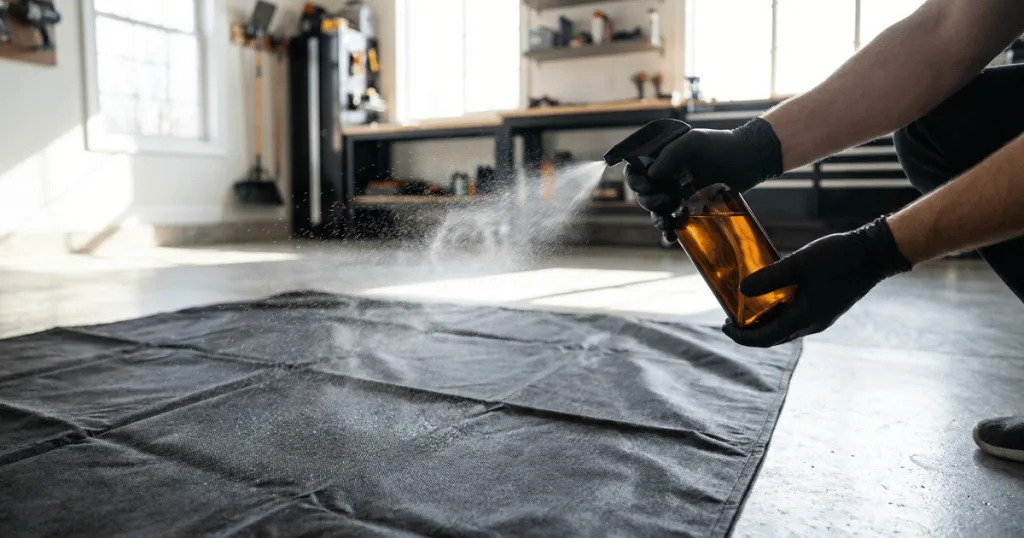
Why Stale Smells and Mildew Develop on Protective Shields
Understanding the root causes of foul aromas helps prevent recurring problems. Protective vehicle shields spend their operational life exposed to fluctuating temperatures, atmospheric moisture, and falling organic matter. When a cover goes back into its storage bag while still damp, it creates a dark, humid microclimate. This environment acts as an ideal breeding ground for mold spores, mildew, and bacterial growth. Over time, these organic elements break down and release musty gases that become embedded deep within the woven threads.
Urban pollution and atmospheric fallout also contribute heavily to persistent chemical odors. Industrial soot, exhaust particulates, tree sap, and bird droppings settle onto the outer surface. If left unchecked, these foreign contaminants oxidize and bond with the fabric fibers. Morning dew and light rainfall can liquefy these residues, pulling them further down into the mesh of a multi-layer cover. Without proper maintenance, the accumulation of organic and chemical matter turns the shield into a source of bad smells rather than a defense mechanism. Implementing proper moisture management strategies is vital for keeping these aromatic compounds from taking root in the first place, ensuring your car, truck, or SUV remains protected in any season.
Assessing Fabric Construction Before Cleaning
Different textile blends react differently to moisture and cleaning solutions. Before attempting to remove odor from car cover materials, inspect the manufacturer care label to identify the exact fiber blend. Common materials include woven polyester, multi-layer polypropylene, heavy canvas, and micro-porous films. Each category demands a specific protocol to avoid structural damage during the deodorizing process.
Woven Polyester and Polypropylene Blends
Synthetic polyesters and spun-bond polypropylene resist tearing, but harsh detergents can degrade their protective UV inhibitors. These materials generally require gentle hand washing using mild, non-detergent soap. Avoid hot water, which can warp synthetic fibers or shrink bound seams. Air drying is mandatory for these synthetics, as high tumble-dryer heat will melt the fabric.
Cotton Blends and Heavy Canvas
Natural cotton fibers and heavy canvas blends absorb moisture readily, making them prime targets for deep-set mildew smells. These materials handle slightly more aggressive cleaning, including specialized enzymatic cleaners designed to break down organic proteins. However, canvas requires complete, thorough drying before folding. Even slight residual dampness will cause mildew to return within days.
Multi-Layer Composite Fabrics
Modern multi-layer covers feature specialized inner fleece linings bonded to weather-resistant outer shells. These sophisticated laminates demand extreme caution during odor treatment. Scrubbing too hard or using solvent-based cleaners can delaminate the layers. Spot treatment and gentle rinsing methods work best for these high-performance vehicle shields.
Step-by-Step Methods to Remove Odor from Car Cover Textiles
Eliminating stubborn smells demands a structured cleaning routine. The following process ensures deep cleaning without destroying the textile structure.
Step 1: Perform an Initial Dry Brush and Debris Shake
Spread the shield out completely on a clean driveway or large patio. Use a soft-bristled brush or a dry microfiber cloth to sweep away loose dirt, dried mud, and leaves. Removing dry particulate matter prevents mud from turning into a thick paste during the washing phase.
Step 2: Set Up a Gentle Washing Station
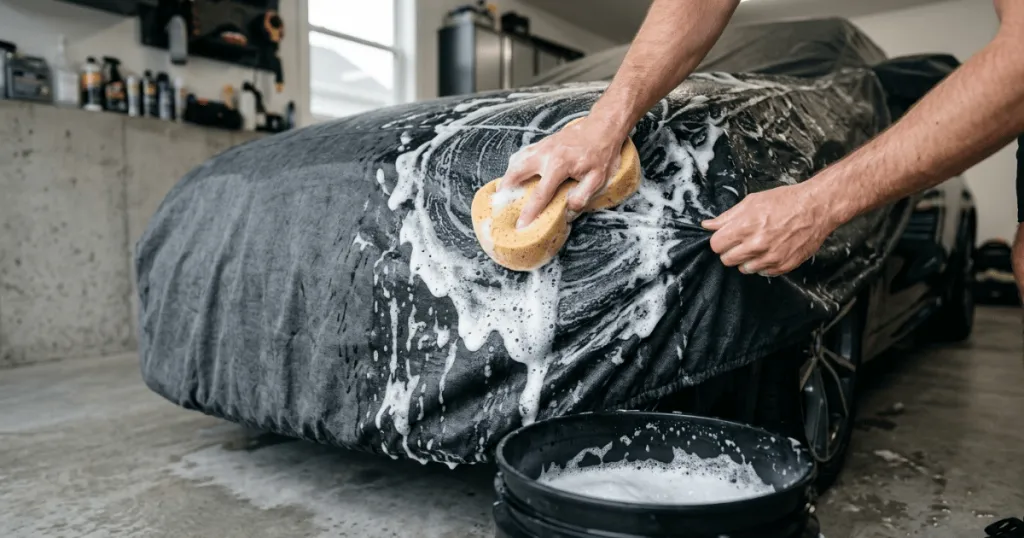
Fill a large clean tub or a dedicated outdoor basin with lukewarm water and a few drops of specialized automotive fabric cleaner or mild dish soap. Never use standard laundry detergents containing bleach, fabric softeners, or heavy perfumes. Fabric softeners leave a waxy residue that traps moisture and attracts future dirt.
Step 3: Target Problem Areas and Mildew Spots
Dip a soft sponge into the soapy solution and gently work it across both sides of the fabric. Pay special attention to the interior lining where body oils, dust, and trapped humidity concentrate. For localized mildew smells, apply a mixture of equal parts white vinegar and water directly to the affected spot. Vinegar neutralizes organic odors naturally without harming synthetic threads.
Step 4: Rinse Thoroughly and Remove Excess Water
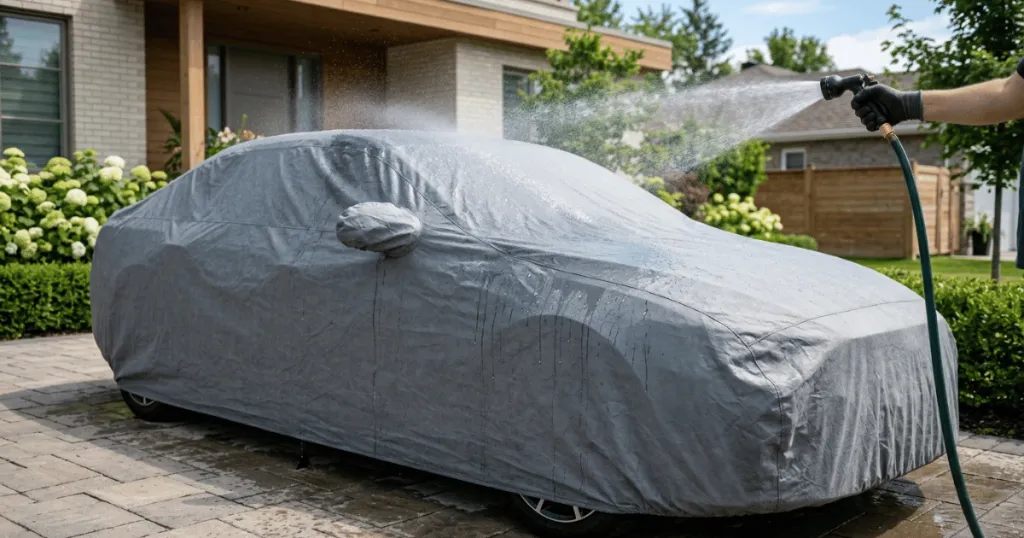
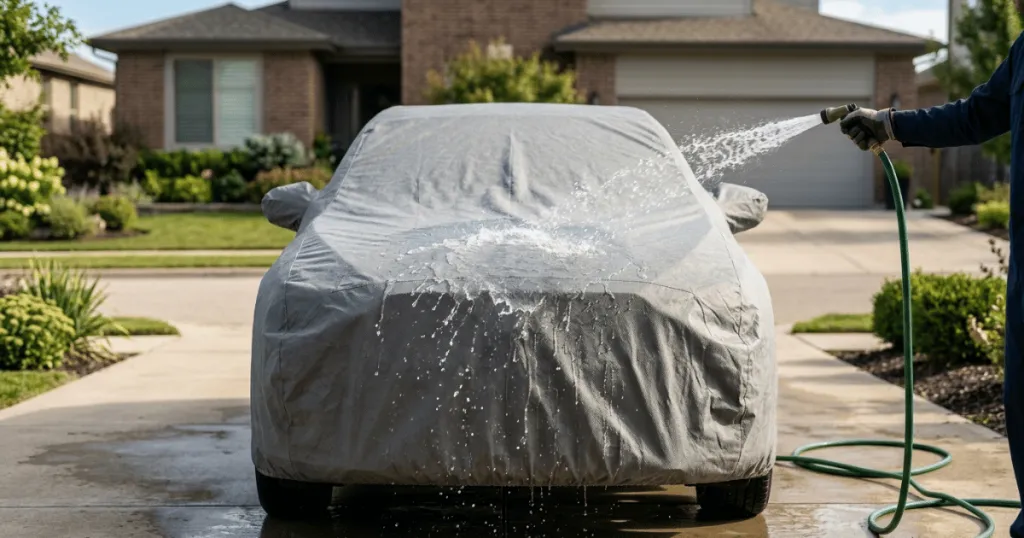
Use a garden hose with a gentle spray nozzle to flush away all remaining soap and loosened debris from the material. Ensure no soapy residue remains, as leftover soap attracts atmospheric dust and causes future mustiness. Gently press the material to push out excess water, but never wring or twist the fabric aggressively.
Step 5: Execute Complete Air Drying
Hang the shield over a clean fence, a multi-rail rack, or leave it spread flat in a sunny, well-ventilated outdoor area. Turn the cover over halfway through the drying process to ensure both the inner lining and outer shell are completely dry. Never pack a damp shield away into its storage bag, as trapped moisture guarantees the return of foul smells.
Real-World Context and Environmental Factors
Living environments dictate how frequently protective gear absorbs environmental smells. Owners residing in humid coastal regions battle constant airborne moisture that accelerates mildew growth. In these areas, routine airing out becomes a monthly necessity even if the vehicle remains parked under a carport. Regular maintenance prevents environmental dampness from setting permanently into the weave.
Urban commuters face a different set of atmospheric challenges. Heavy smog, exhaust fumes, and industrial fallout coat exterior surfaces with greasy chemical residues. When morning dew settles on these pollutants, the resulting mixture penetrates the breathable pores of the material. Owners in urban settings benefit from shaking out and lightly hosing down their protective gear more frequently to prevent chemical bonding.
Seasonal shifts also require adjustments in storage habits. Autumn brings falling leaves, sap, and persistent dampness that demand immediate attention after use. Storing a shield during winter without proper cleaning allows frozen moisture and trapped organic debris to break down slowly over the cold months. Addressing odors promptly at the start of each season preserves both the longevity of the material and the cleanliness of the automobile exterior.
Why Proper Deodorizing Protects Your Vehicle Finish
Addressing foul smells is not merely about aesthetic comfort during use. Persistent odors usually indicate the presence of microscopic mold, mildew, or chemical buildup hidden within the fabric weave. When the shield drapes tightly over a vehicle, these contaminants come into direct contact with clear coat finishes and painted surfaces. Trapped moisture and organic acids can etch clear coats or leave stubborn water spots over time.
Maintaining a clean, neutral-smelling shield ensures that your vehicle investment remains pristine while parked. A fresh protective layer does not transfer stale residues onto freshly waxed paint or glass. Prioritizing routine cleaning routines extends the operational lifespan of the protective textile while safeguarding the exterior condition of your car, truck, or SUV.
Common Misconceptions About Deodorizing Vehicle Shields
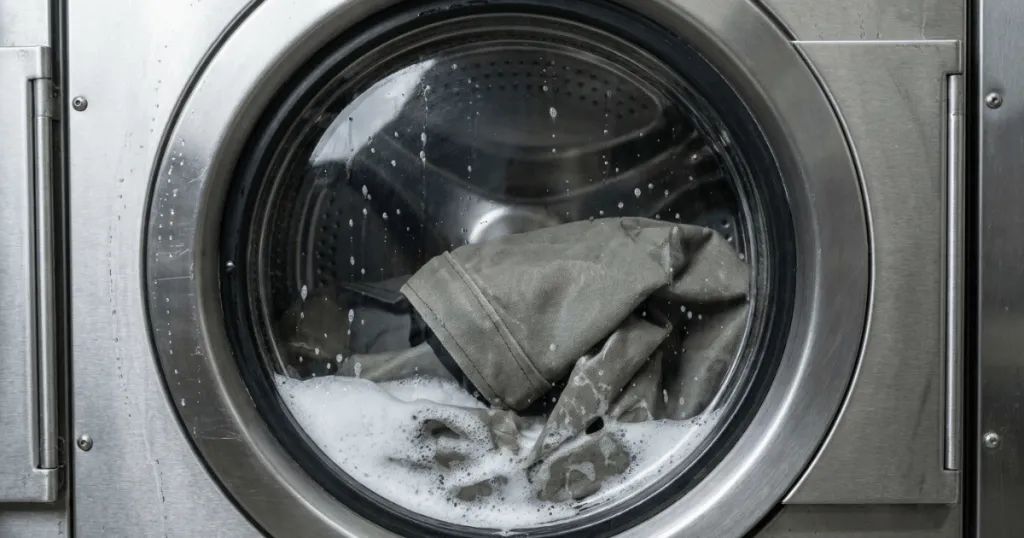
Many vehicle owners assume that tossing a smelly shield into a commercial washing machine is a quick fix. Standard agitator washing machines exert mechanical forces that tear seams, stretch elastic hems, and delaminate multi-layer fabrics. Hand washing or using a gentle oversized front-load commercial machine without an agitator represents the only safe mechanical option.
Another widespread myth involves spraying heavily scented masking agents or household fabric refreshers over the material. Perfumed sprays only mask underlying chemical smells or active mildew temporarily without killing the biological source. True odor elimination requires neutralizing the organic matter through washing, vinegar treatments, and complete sun drying.
FAQ
Can I put a smelly car cover in the washing machine?
Standard washing machines with center agitators can tear seams and ruin waterproof coatings. If you must machine wash, use a commercial front-load machine on a delicate cycle with mild soap, or hand wash it in a clean driveway.
Does white vinegar damage the waterproof coating on vehicle covers?
Diluted white vinegar is safe for most protective vehicle fabrics and effectively neutralizes mildew smells. Always rinse the material thoroughly with clean water after treatment to remove any lingering acidity.
How can I prevent musty smells from developing in storage?
Always ensure the shield is 100 percent dry before folding it into its storage bag. Storing even slightly damp fabric creates a breeding ground for mildew and foul odors.