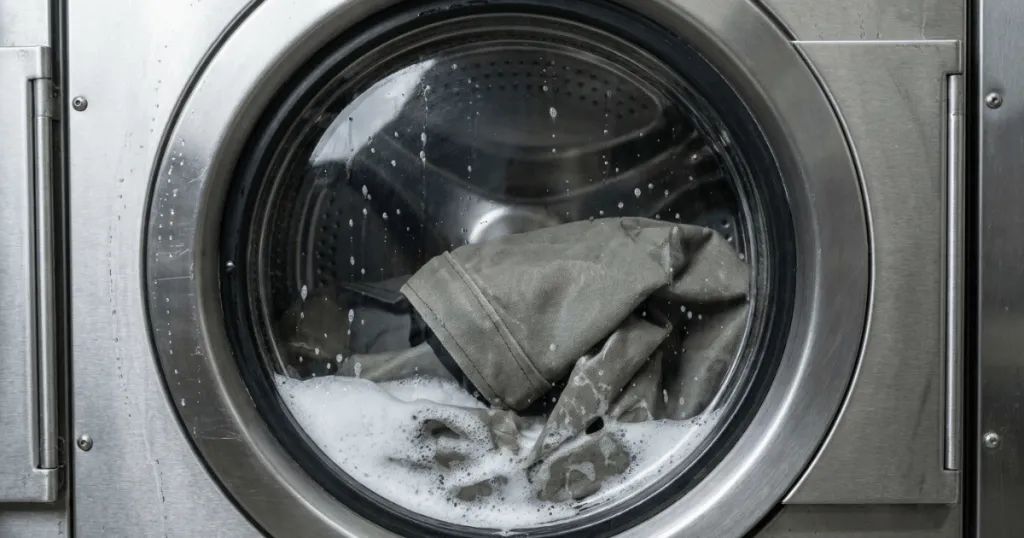
Many vehicle owners assume that throwing an outdoor protective shield into a household laundry machine is the easiest way to remove dust, tree sap, and bird droppings. That shortcut often ruins the fabric, strips away water-resistant treatments, and leaves seams torn from aggressive agitation. A proper cleaning requires a much gentler approach. Taking the time to hand wash a car cover preserves its structural integrity and ensures it continues safeguarding your paint.
Understanding the cleaning process prevents premature material breakdown. Protective shields act as barriers against environmental contaminants, meaning they accumulate a heavy load of microscopic pollutants over time. If left unwashed, those abrasive particles grind against your clear coat every time the wind shifts. Establishing a careful cleaning routine extends the lifespan of the material while maintaining peak performance.
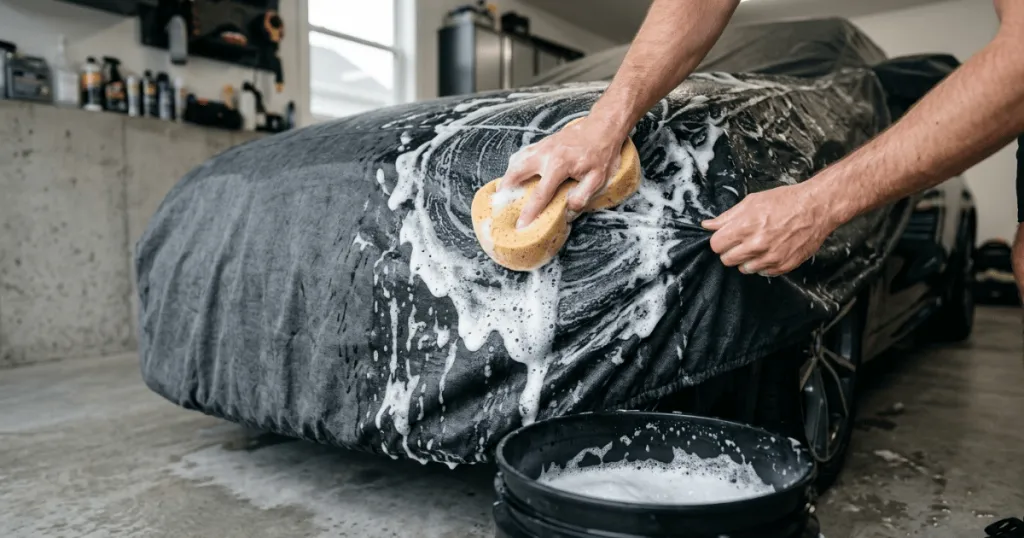
Why Professional Results Depend on How You Hand Wash Car Cover Materials
Fabric composition dictates every decision during the cleaning process. Modern vehicle shields use advanced textiles like multi-layer polypropylene, woven polyester, or heavy canvas blends. Machine wash cycles featuring central agitators exert forces that snap delicate threads and compromise bonded waterproof membranes. Hand washing gives you absolute control over pressure, water temperature, and detergent concentration.
Harsh chemical exposure represents another major hazard for vehicle protection fabrics. Household laundry detergents often contain optical brighteners, heavy enzymes, and strong fragrances that degrade UV inhibitors. Specialized automotive textile cleaners or mild liquid dish soaps provide enough grease-cutting power without stripping essential weatherproofing treatments. Protecting the chemical makeup of the textile ensures it remains breathable and weather-resistant.
Furthermore, evaluating the breathability of your protective shield during washing is crucial. Many multi-layer textiles rely on microscopic pores that allow trapped moisture to evaporate away from the vehicle surface. If heavy soap residues or oily films clog these pores, moisture becomes trapped underneath the material, creating a breeding ground for mildew and fogging up your clear coat. Hand washing allows you to target and flush out these stubborn blockages without compromising the delicate outer shell.
Step-by-Step Procedure to Safely Hand Wash Car Cover Textiles
Executing a thorough cleaning demands patience and the right physical setup. You need a large open space, a clean driveway or patio, a soft-bristled brush, and a gentle cleanser formulated for outdoor automotive fabrics. Rushing through the steps risks leaving detergent residue behind, which can attract more dirt or bake into the fabric under direct sunlight.
Laying Out and Pre-Rinsing the Fabric
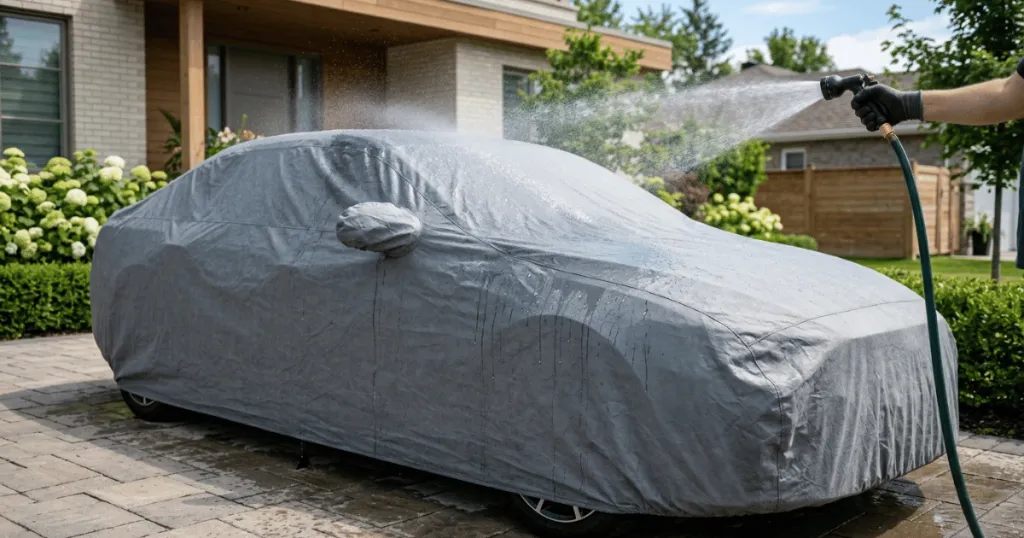
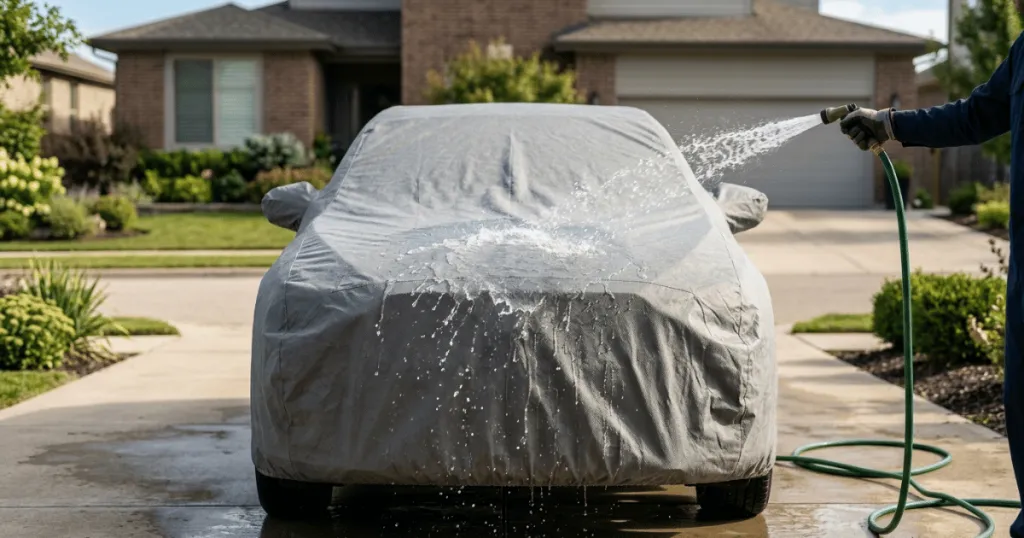
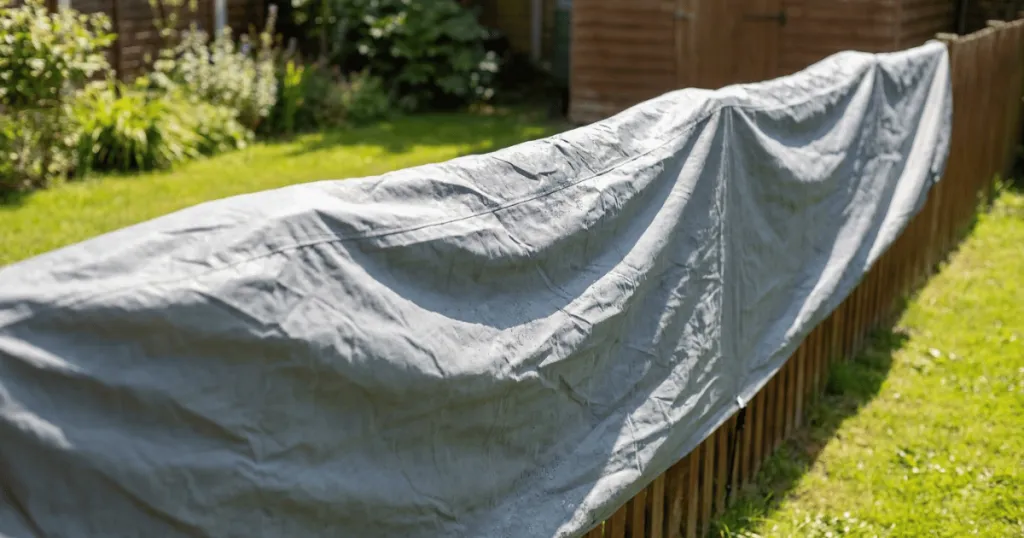
Start by spreading the protective shield fully across a clean driveway or hanging it securely over a smooth, non-abrasive fence. Use a standard garden hose with a nozzle set to a gentle spray pattern to wet the entire surface. This initial rinse washes away loose surface debris, pollen, and heavy grit that could otherwise scratch the fabric during scrubbing. Avoid high-pressure settings on your hose, as intense streams can tear stitched seams or force dirt deeper into the weave.
Applying the Cleaning Solution
Mix a mild automotive fabric cleaner or gentle liquid soap into a bucket of cool water according to the manufacturer guidelines. Dip a soft-bristled brush or a microfiber sponge into the soapy mixture and work in gentle, overlapping sections across the material. Never use abrasive scouring pads or stiff scrub brushes because they fray synthetic fibers instantly. Pay extra attention to high-contact zones like the mirror pockets and lower hem areas where road grime accumulates most heavily.
Rinsing and Drying the Material
Once you have scrubbed the entire surface, use the garden hose to flush away all soapy residue from the fabric. Start rinsing from the top center and work your way down toward the hem to ensure complete removal of loosened dirt. Never wring out or twist a wet protective shield, as this mechanical stress distorts the custom shape and stretches stitched seams. Instead, hang the cover over a clean structure in a shaded area to air dry completely before folding it for storage.
When handling larger vehicle protection accessories, such as those designed for full-size trucks or large SUVs, managing the wet weight requires careful maneuvering. A saturated textile can become surprisingly heavy, and pulling or dragging it across rough concrete will abrade the fabric face. Enlisting a helper to support the weight while lifting or repositioning the material during the washing and rinsing phases prevents accidental tearing at the stress points and reinforced corners.
Real-World Scenarios and Practical Maintenance Context
Environmental conditions in your local region dictate how frequently you need to clean your vehicle shield. Owners living in heavy pollen zones or industrial areas with airborne fallout face rapid contaminant buildup. In those environments, letting dirt accumulate for months creates an abrasive layer that defeats the purpose of using a cover. Regular maintenance prevents environmental buildup from bonding permanently to the outer fibers.
Storage habits also influence cleaning schedules. If you store your vehicle in a dusty garage, the shield primarily collects indoor settling dust rather than organic debris like tree sap or bird droppings. Outdoor parking exposes the material to intense ultraviolet radiation, acid rain, and organic staining. Recognizing your specific exposure level helps you time your cleaning sessions effectively without overworking the delicate fabric.
Consider the seasonal shifts in weather as well. Autumn brings falling leaves, sticky sap, and heavy morning condensation that accelerates grime accumulation. Winter adds road salt mist, soot from heating systems, and freezing precipitation that can stiffen lower panels. By timing your maintenance sessions around these seasonal transitions, you ensure your protective accessory remains flexible and capable of handling severe weather without transferring trapped pollutants onto your clear coat.
Why Proper Maintenance Directly Affects Vehicle Paint Safety
Neglecting textile hygiene transforms a protective accessory into a potential paint hazard. Over time, accumulated pollution mixes with morning dew, creating an acidic film on the interior surface of the material. When the fabric rests against your clear coat, that chemical residue transfers directly to your paint surface. Routine cleaning eliminates that hidden risk and keeps your paint finish pristine.
Financial investment protection serves as another compelling reason to maintain your gear properly. High-end custom shields represent a significant monetary commitment, and replacing them prematurely due to neglect wastes money. Proper cleaning habits maximize the lifespan of the material, ensuring your investment pays off over many years of reliable service.
Beyond chemical transfer, physical abrasion is a major culprit in paint damage. When dust and microscopic grit settle into the woven or non-woven structure of the fabric, those particles become tiny sandpaper fragments against your vehicle body whenever wind causes the material to shift. Keeping the textile thoroughly rinsed and free of embedded particulate matter preserves the soft barrier function that prevents micro-scratches and swirl marks on sensitive automotive finishes.
Common Misconceptions About Cleaning Protective Vehicle Shields
A widespread myth suggests that pressure washers make the cleaning chore faster and easier. In practice, high-pressure water streams pulverize delicate synthetic fibers and destroy bonded waterproof layers instantly. Sticking to a gentle garden hose prevents structural damage while still delivering an effective rinse.
Another frequent misunderstanding involves using standard household bleach to remove stubborn mold or mildew spots. Chlorine bleach attacks synthetic threads, degrades UV stabilizers, and weakens the overall tensile strength of the textile. Oxygen-based cleaners or specialized automotive mold removers offer a much safer alternative for treating organic growth without destroying the fabric.
Some vehicle owners also believe that drying a wet shield by putting it directly back onto the car on a hot day is a convenient timesaving trick. This practice traps evaporating moisture against the warm clear coat, which can cause mineral deposits or water spotting to bake into your paint. Allowing the material to air dry completely off the vehicle remains the only reliable method for preventing moisture-related complications.
FAQ
Can I put my vehicle cover in a commercial washing machine?
Most manufacturers advise against machine washing because agitators and spin cycles can tear seams and strip waterproof coatings. To protect your investment, always hand wash car cover materials using mild soap and a gentle rinse.
How often should I clean my protective shield?
Cleaning frequency depends on your parking environment. If parked outdoors under trees or in dusty regions, wash the material every few months or whenever heavy residue accumulates.
What is the safest way to dry the fabric after cleaning?
Always air dry your cover by hanging it over a clean, smooth surface in a shaded area. Never use a mechanical clothes dryer, as high heat will melt synthetic fibers and shrink the material.