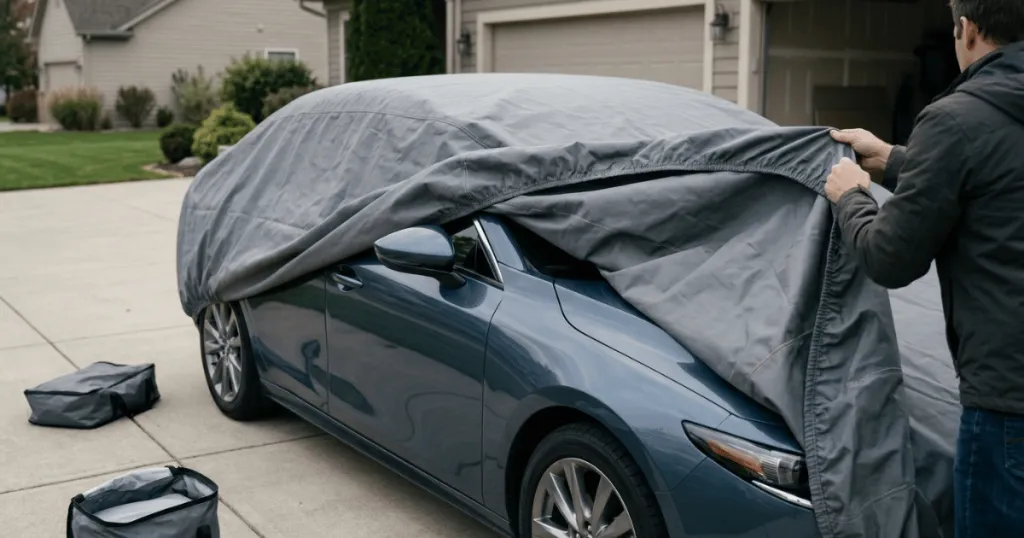
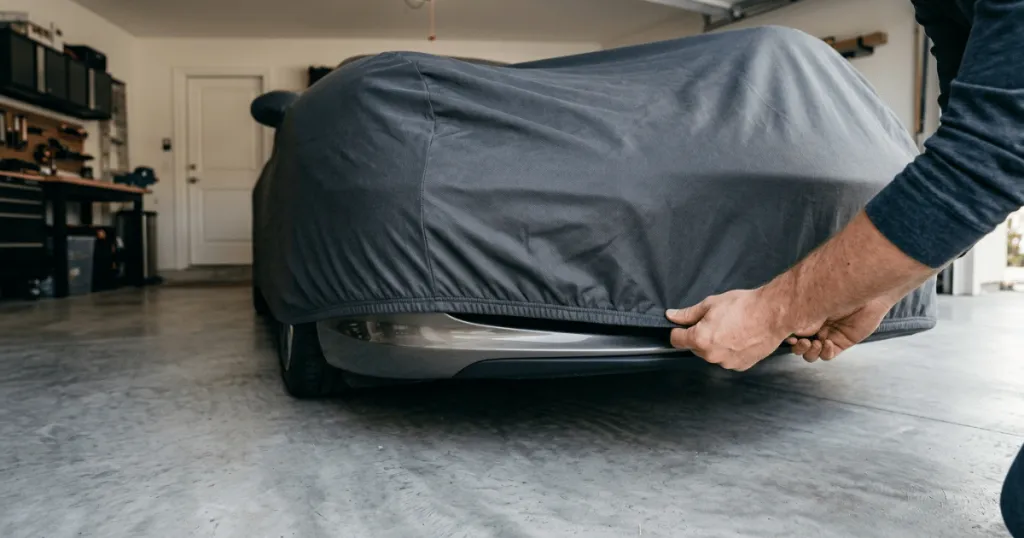
When your vehicle protection shield is not deployed on your car, truck, or SUV, keeping the fabric safe from garage dust, moisture, and accidental damage is essential. Proper car cover storage bag use prevents fabric degradation and ensures your protective investment remains clean for the next deployment.
Many vehicle owners invest in durable multi-layer exterior covers but neglect how the material rests during off-season months. Using a dedicated storage sack protects the soft inner fleece lining from collecting microscopic debris that could later scratch your clear coat during installation.
Beyond basic cleanliness, understanding how to pack, ventilate, and position your protective textile shield determines its overall lifespan. Whether you stow your gear in a crowded residential garage or toss a lightweight pouch into your trunk for daily commutes, adopting a deliberate routine saves you from premature wear and costly replacement cycles.
The Primary Purpose of Car Cover Storage Bag Use
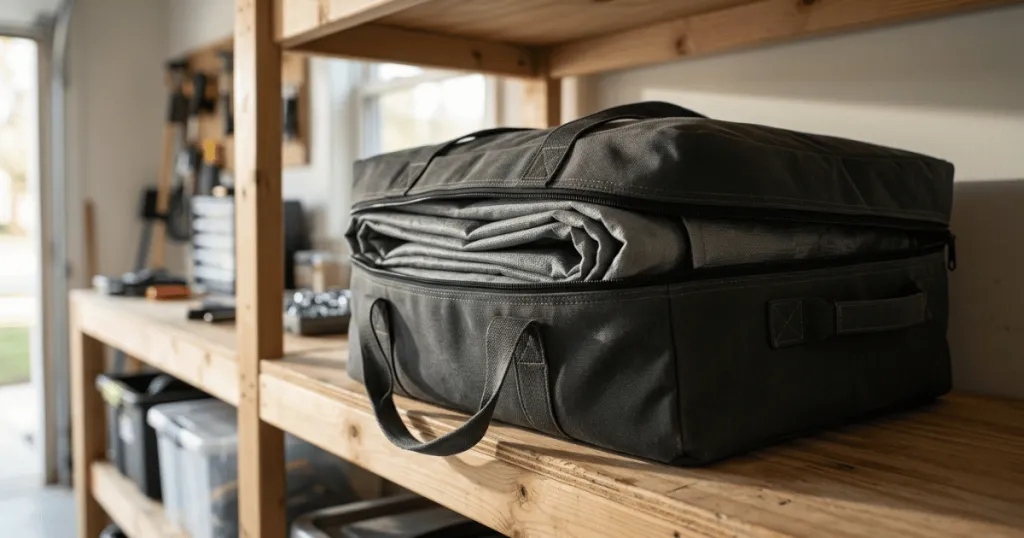
A designated storage sack serves as a physical barrier against environmental contaminants present in home garages, storage units, and utility closets. When left unprotected on a shelf, outdoor covers gather dust, cobwebs, and chemical vapors that cling to the exterior weave.
Storing the vehicle shield inside a protective pouch also deters pests such as mice and spiders. Rodents frequently seek out soft textiles for nesting material, especially in dark corners of a garage. A durable storage sack with a secure drawstring closure denies unwanted pests easy access to the folds.
Furthermore, keeping the fabric contained prevents accidental snags against protruding garage objects like shelving brackets, garden tools, or bicycle handlebars. A clean sack keeps bulky fabric compact and manageable, which removes unnecessary frustration from routine vehicle maintenance tasks.
When you integrate a reliable car cover storage sack into your garage setup, you also safeguard your car cover storage bag use goals by ensuring the container itself does not introduce abrasive particles. Many homeowners overlook the fact that open shelves accumulate fine grit that settles onto exposed sacks, transferring directly to the textile inside when opened. Maintaining a clean storage zone protects your investment from the ground up.
Evaluating Materials and Breathability Factors
Selecting the right container goes hand in hand with proper car cover storage bag use. Not all sacks offer equal protection, and choosing an inappropriate material can trap residual humidity and ruin your fabric shield before its time.
Breathable Mesh and Cotton Sacks
Breathable fabric sacks constructed from cotton blends or heavy-duty mesh allow continuous air circulation around the stored vehicle cover. This ventilation prevents condensation from building up inside the folds if the protective shield was even slightly damp when packed away. In a humid garage environment, breathability stops mildew and mold spores from colonizing the soft inner lining.
Using a breathable vehicle cover container also aids in releasing any lingering chemical odors or airborne moisture absorbed during outdoor parking. Over time, enclosed automotive fabrics retain subtle dampness from morning dew. Permeable materials let this moisture evaporate naturally rather than forcing it to pool against synthetic weaves.
Synthetic and Weather-Resistant Pouches
Synthetic pouches made from polyester or nylon offer superior defense against dust, spills, and moisture splashes in busy workshops. However, these water-resistant containers require absolute confidence that your vehicle cover is completely dry prior to packing. Sealing a damp multi-layer fabric inside a non-porous synthetic pouch creates a localized greenhouse effect that rapidly breeds foul odors and degrades waterproof membranes.
When dealing with synthetic options, look for models featuring reinforced seams and heavy-duty zippers that withstand frequent pulling. If you live in an exceptionally dusty region, a tightly woven synthetic water-resistant pouch shields your gear from fine masonry dust or woodworking debris common in multi-use garages.
Step-by-Step Folding and Packing Methods
Mastering car cover storage bag use requires deliberate folding techniques rather than carelessly stuffing the bulky fabric into a tight container. Proper folding prevents deep creases and reduces stress on stitched seams.
Clearing and Inspecting the Fabric First
Before initiating any packing routine, spread the protective shield across a clean driveway or garage floor to inspect its condition. Shake off loose leaves, pine needles, and dried mud that accumulated during outdoor exposure. Dragging dirty fabric into a storage sack grinds abrasive grit directly into the fibers, which transforms your shield into sandpaper for the next installation.
Pay close attention to elastic hems and antenna patches during this preliminary inspection. Trapping sharp twigs or metallic burrs inside a tightly cinched pouch can puncture multi-layer fabrics or tear delicate inner linings during transit.
Executing the Proper Roll and Fold Technique
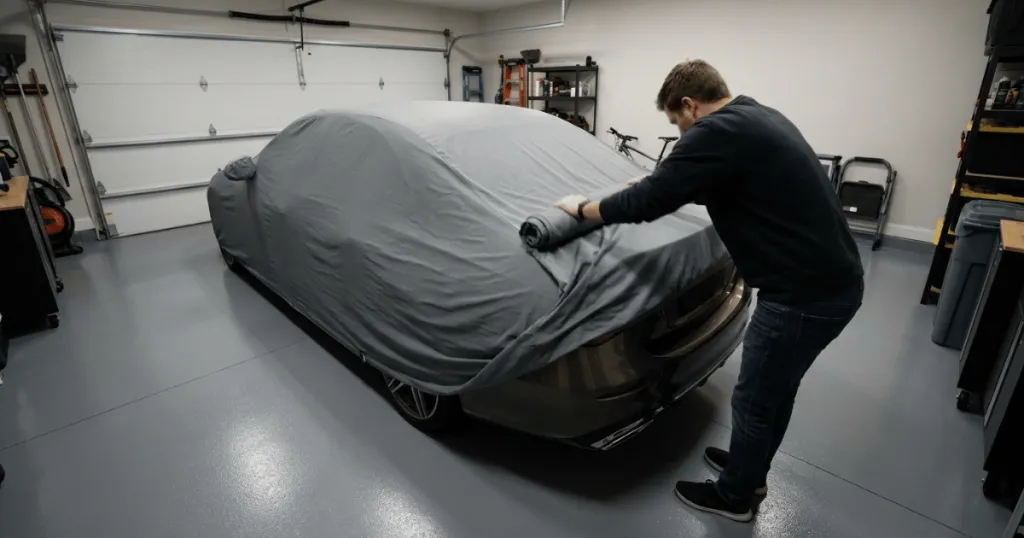
Fold the vehicle cover lengthwise by bringing the driver side and passenger side edges toward the center seam. Instead of cramming the material into a ball, roll the folded fabric tightly from the front bumper toward the rear bumper. This rolling motion forces trapped air out of the multi-layer weave and creates a compact cylinder that slides effortlessly into your container.
Adopting this disciplined folding technique ensures your protective shield packaging remains neat and uniform. A well-rolled cylinder distributes weight evenly inside the storage pouch, preventing awkward bulges that make lifting or shelf storage difficult.
Real-World Storage Scenarios and Practical Challenges
Different parking environments and storage spaces present unique challenges that influence how you pack and retrieve your vehicle shield.
Managing Seasonal Storage in Tight Spaces
If you remove your vehicle shield for months during peak summer driving seasons, you likely store it on a high garage shelf or attic rafter. A sturdy duffel-style container with reinforced carrying handles makes lifting heavy, multi-layer canvas covers much safer. Securing the packed container off the concrete floor also protects the contents from unexpected garage flooding or seasonal dampness.
In seasonal storage environments, vehicle owners must balance accessibility with security. Placing your packed protective shield inside a sealed plastic storage tote in addition to its primary fabric pouch adds an extra layer of defense against attic dust and humidity shifts.
Handling Daily Deployment and Trunk Storage
Drivers who remove their protection daily for morning commutes face a different challenge regarding car cover storage bag use. Keeping a lightweight polyester pouch in the trunk prevents loose fabric from tangling with emergency gear or grocery bags. A quick-cinch drawstring design allows rapid packing when you are running late, keeping your cargo area organized and clutter-free.
When stowing covers in a vehicle trunk, ensure the pouch does not slide around excessively during sharp turns. Securing the bag with cargo nets or placing it within a designated trunk organizer prevents sharp objects from puncturing the fabric envelope.
Common Misconceptions and Preventable Mistakes
Many vehicle owners assume that any oversized garbage bag or plastic tote works just as well as a dedicated storage pouch. Standard polyethylene trash bags trap ambient humidity, creating a moisture trap that ruins waterproof coatings and accelerates fabric rot. Always use a purpose-built container designed for automotive textiles.
Another frequent oversight involves packing a damp or salt-encrusted shield directly into its pouch after a coastal rainstorm. Trapping salt residue and moisture inside a confined space corrodes interior linings and causes permanent discoloration. Always allow the fabric to dry thoroughly under a carport or sunlight before initiating your packing routine.
Neglecting automotive fabric maintenance routines often leads to premature degradation. Even when stored indoors, unprotected textiles attract fine particulate matter that wears down water-repellent treatments over successive seasons of handling.
Synthesizing Best Practices for Long-Term Maintenance
Successful car cover storage bag use comes down to cleanliness, dryness, and organized packing habits. Treat your protective shield with the same care you give your vehicle paintwork, and it will deliver reliable defense season after season. Before closing your storage container for an extended period, double-check that the fabric is bone dry and free of abrasive grit to preserve its structural integrity for future use.
By treating your storage system as an active part of your vehicle upkeep rather than a passive afterthought, you extend the service life of both your exterior shield and your car’s exterior finish. Keep your packing area clean, select containers matching your local humidity levels, and always roll your fabric rather than stuffing it randomly.
FAQ
Can I use a standard plastic trash bag for my vehicle shield?
Standard plastic trash bags trap residual moisture and lack breathability, which can cause mold, mildew, and coating degradation. Always use a dedicated storage container designed specifically for automotive covers.
What should I do if my protective shield is damp when I need to pack it?
Spread the fabric out in a well-ventilated area or under a carport until it is completely dry. Storing a damp cover inside a confined container causes mildew growth and ruins waterproof membranes.