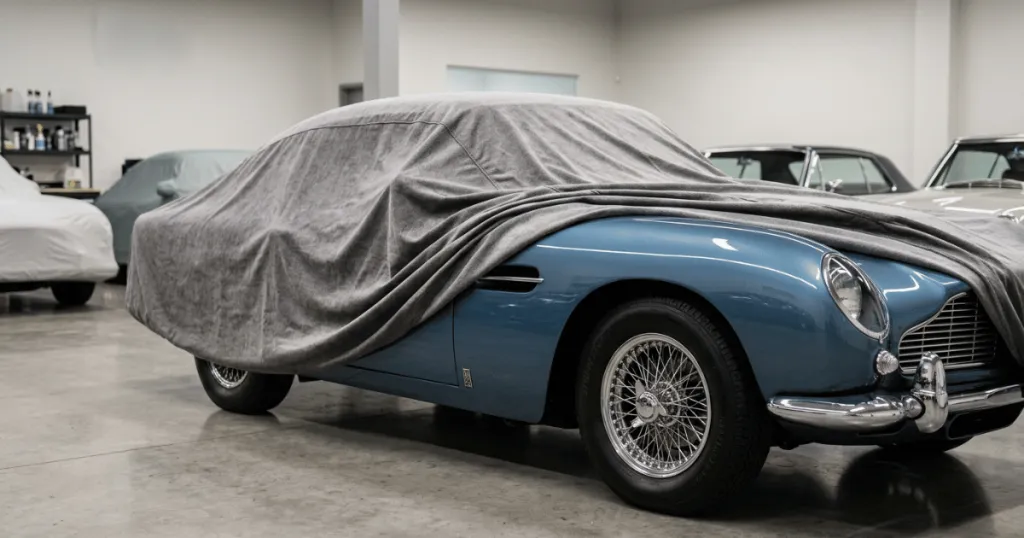
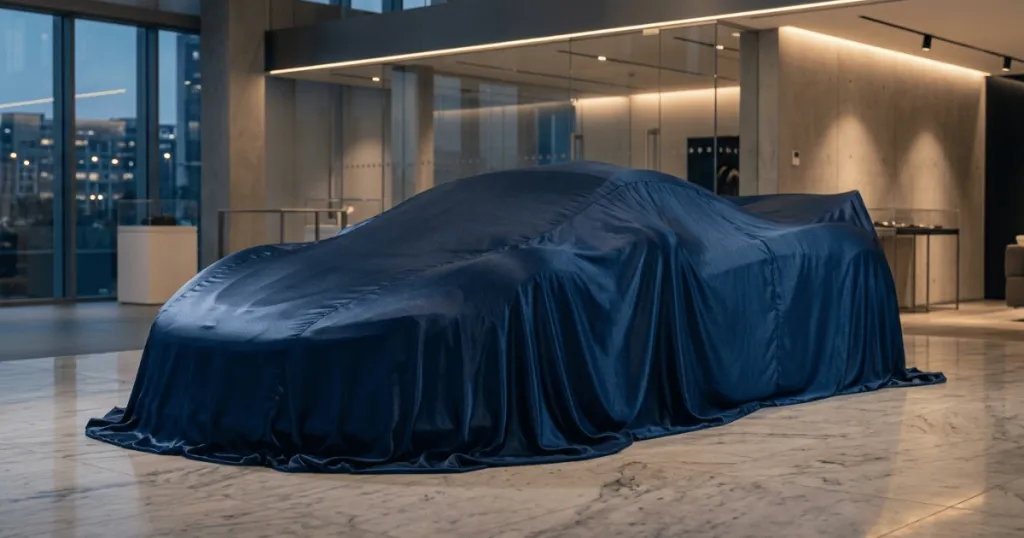
Many vehicle owners assume that any standard exterior shield will work fine when parking their drop-top outdoors or in a garage. In practice, however, fabric performance, moisture control, and structural pressure points mean that a dedicated convertible car cover requires a completely different approach than a standard sedan design. Because drop-tops feature delicate fabric or vinyl folding tops and vulnerable weatherstripping around the windows, uniform protection matters far more than generic sizing.
Understanding these unique demands helps prevent common storage headaches like interior mildew, wet carpets, and degraded window seals. Selecting the proper design involves evaluating local climate conditions, storage environments, and how frequently you plan to drive the vehicle during the off-season.
Core Factors Driving Convertible Car Cover Selection
Protecting an open-air vehicle involves several distinct challenges that standard auto accessories simply ignore. Fabric choice, breathability, and tension points all play a vital role in maintaining the condition of the exterior and the interior cabin over long periods of inactivity. When evaluating options, owners must look closely at how the textile interacts with the specific geometry of a folding roof.
Unlike hardtop vehicles, convertibles feature distinct seams, hydraulic linkage housings, and fabric folding joints that collect debris and moisture differently. A specialized convertible top protection plan ensures these vulnerable areas remain dry and undisturbed throughout extended storage cycles. Furthermore, the interplay between the windshield header and the rear decklid creates unique wind dynamics when a vehicle is parked outside, making proper tensioning essential for safeguarding both paintwork and soft-top materials.
Material Breathability and Moisture Management
Moisture buildup is the primary enemy of stored soft-top vehicles. If trapped condensation cannot escape through the fabric, mildew quickly ruins fabric headliners and leather seats. A quality convertible car cover relies on multi-layer breathable textiles that block rain while allowing internal heat and vapor to evaporate naturally. Non-breathable plastic tarps create a greenhouse effect, trapping humidity directly against the roof material and causing premature fiber rot.
In practice, effective condensation control relies on multi-stage composite fabrics. The outer layer repels liquid water, while inner micro-pores allow gaseous moisture to pass outward. This directional vapor release is critical when daytime temperatures rise and cause ground moisture to turn into humidity under the vehicle. Without this mechanism, water droplets condense directly onto the convertible top protection material, leading to damp cabin conditions and unpleasant musty odors that linger for months.
Custom Fit Versus Universal Design
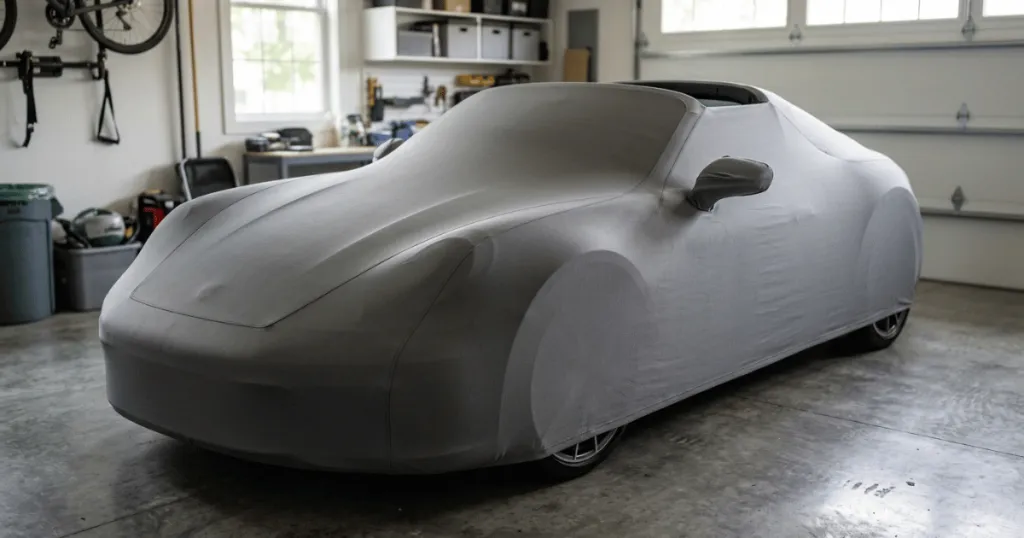
Fit precision dictates how well the protection performs during heavy wind or rain events. Universal covers often loosen up against body panels, creating friction marks on the clear coat and wearing down the sharp lines of the roof frame. A custom fit car cover hugs the specific contours of the windshield header, the rear decklid, and the side mirrors, eliminating wind flutter and keeping the fabric securely anchored.
Universal options are typically graded by vehicle length rather than exact body contours, leaving excess material to pool over flat trunk lids or billow around convertible top wells. This loose fabric acts like a sail in gusty weather, causing constant abrasive rubbing against painted surfaces and trim moldings. Custom designs eliminate this slack, ensuring that paint preservation remains uncompromised over years of seasonal storage.
Strap Placement and Security Systems
Securing a drop-top shield requires careful attention to tie-down strap placement. Because soft-top frames lack the rigid structural support of a solid metal roof, improper tensioning can warp trim pieces or misalign window glass. Modern designs feature reinforced grommets and center-underbelly straps that distribute holding force evenly across the chassis rather than pulling against delicate exterior moldings.
When routing securement straps under a low-slung roadster or convertible, vehicle owners must take care to avoid brake lines, exhaust components, and fragile aerodynamic under trays. Utilizing a stretch-cord system or weighted strap loops makes positioning easier without requiring excessive mechanical pull that could compromise weatherstripping or door alignment.
Real-World Context and Storage Scenarios
Owner environments vary widely, ranging from dusty desert carports to humid coastal driveways and climate-controlled residential garages. Applying the right protection strategy depends heavily on where and how the vehicle spends its time.
Outdoor Exposure in Harsh Climates
Vehicles parked outside face relentless ultraviolet radiation, tree sap, bird droppings, and blowing dust. For outdoor storage, a multi-layer heavy-duty outdoor car cover with UV-resistant outer coatings is essential to prevent the fabric roof from fading and turning brittle. The outer shell must shed rain effectively while the soft inner fleece lining prevents microscopic scratches from forming on polished paintwork.
When selecting an outdoor car cover for regional climates marked by intense summer sun or heavy winter snow, material density becomes a deciding factor. Fabrics engineered with UV radiation defense treatments prevent solar rays from breaking down the synthetic fibers of the soft top, maintaining structural tensile strength and preventing premature canvas discoloration or vinyl cracking.
Indoor Garage Storage and Dust Defense
Even when parked safely indoors, drop-tops accumulate fine abrasive dust, pollen, and accidental garage-clutter dings. Indoor storage calls for a lightweight, highly breathable car cover made from woven fabric rather than a waterproof barrier. This keeps the cabin airy while shielding the sensitive rubber seals around the windows from drying out and cracking due to stagnant garage air and settling dust.
Indoor environments present unique challenges related to climate fluctuations and airborne particles such as drywall dust or sawdust from nearby workshop activities. A dedicated indoor shield protects the vehicle storage area by acting as a gentle physical barrier that preserves interior protection without introducing trapped humidity from damp concrete garage floors.
Why Proper Drop-Top Protection Matters
Ignoring the unique vulnerabilities of an open-air cabin leads to expensive repair bills that far exceed the cost of quality storage accessories. Replacing a faded or torn soft-top assembly often requires specialized upholstery labor, while water leaks through degraded window seals can short out sensitive floor-mounted electronic control modules.
Using a specialized convertible car cover preserves the structural integrity of the folding mechanism and keeps the interior trim clean. This proactive approach maintains vehicle value and ensures the car is ready for the road as soon as the weather clears.
Beyond financial considerations, maintaining the weatherstripping and window seals prevents wind noise and cabin drafts during high-speed driving. When exterior elements degrade rubber components, replacing them often involves sourcing obsolete OEM parts or paying for intricate manual alignment procedures.
Common Misconceptions About Drop-Top Shielding
A widespread myth is that 100-percent waterproof plastic tarps offer the ultimate defense against bad weather. In reality, absolute waterproof barriers trap condensation underneath, which silently destroys leather seats and rusts floor pans from the inside out.
Another frequent misunderstanding is that soft tops do not need extra defense because they are engineered to handle rain. While factory tops resist moisture when new, continuous exposure to sun and pollutants accelerates aging. A protective shield acts as a sacrificial layer against environmental wear.
Vehicle owners sometimes believe that simply throwing a canvas sheet over the vehicle is sufficient. However, unlined heavy materials can trap grit against the clear coat, transforming a well-intentioned security measure into a source of micro-scratches during every gentle breeze.
Final Decision Checklist for Vehicle Owners
When choosing your convertible car cover, prioritize breathability, precise contouring, and appropriate weather resistance over generic universal sizing. Evaluate your local climate carefully, ensure the inner lining is non-abrasive, and secure the setup properly to prevent wind damage. Taking these steps protects both the mechanical roof system and the cabin interior for years to come.
Always review the specific weave density and environmental ratings of the fabric before committing to a purchase. By aligning your storage choice with actual climatic exposure and vehicle design parameters, you ensure reliable, long-term preservation for your drop-top investment.
FAQ
Can I use a standard sedan cover on a drop-top car?
Using a standard sedan cover on a convertible car cover application is discouraged because roof heights, windshield angles, and overall vehicle proportions differ significantly, leading to loose fabric and wind flapping.
Do I need a waterproof or water-resistant shield for outdoor storage?
Outdoor storage requires a water-resistant, breathable fabric that sheds rain while allowing trapped moisture vapor to escape freely, preventing interior mold growth.
How often should I clean the underside of my vehicle protection shield?
You should clean the inside of your convertible car cover every few months or whenever visible dust accumulates to prevent trapped grit from scratching the paint and soft-top fabric.