When you park your vehicle outside exposed to intense sun, windblown dust, and sudden rainstorms, protecting the exterior finish becomes an ongoing challenge. Choosing a proper vehicle shield matters right now because prolonged UV exposure and environmental fallout degrade clear coats, fade paint, and ruin trim long before mechanical parts wear out. Traditional soft single-layer sheets often lack the heft to withstand persistent wind or heavy moisture, while rigid waterproof tarps can trap condensation against warm body panels.
This is where specialized multi-layer options enter the picture, offering a blend of breathability and dense shielding. Understanding how these advanced barriers function helps you separate marketing claims from actual outdoor performance, ensuring your paint stays safe through changing seasons without unexpected headaches.
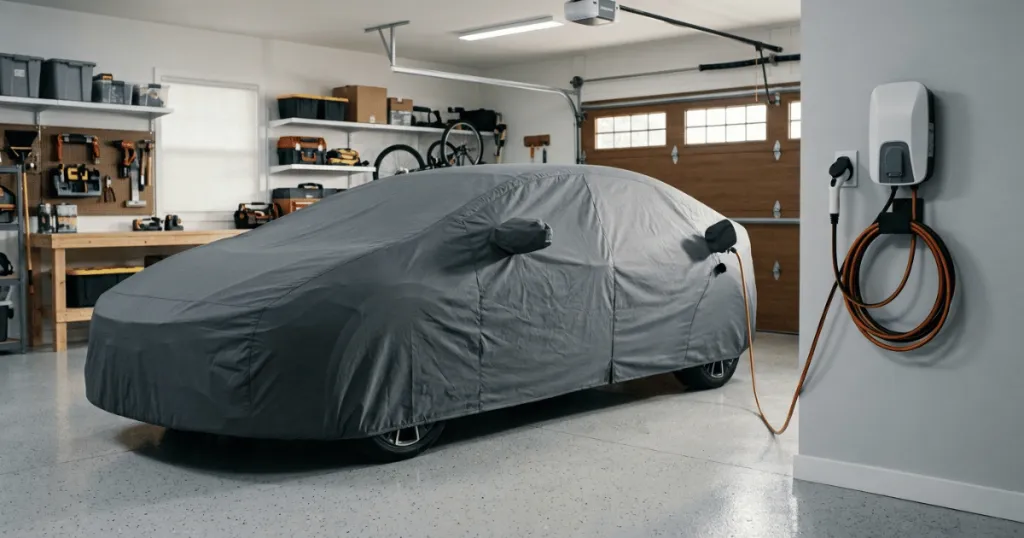
Understanding the Core Technology of a Hybrid Car Cover
Modern vehicle protection has evolved far beyond basic cotton canvas or thin plastic sheets. When manufacturers engineer a hybrid car cover, they fuse distinct textile layers together to solve competing problems like moisture retention and impact resistance. This engineering approach balances the need for a soft interior texture with a rugged, weather-resistant exterior shell.
Multi-Layer Construction and Film Lamination
The foundation typically relies on a bonded composite structure. An outer layer handles direct sunlight and airborne pollutants, while an inner layer provides a plush, non-abrasive lining against the clear coat. Between these exterior and interior boundaries, a middle layer often incorporates a micro-porous film. This microscopic barrier blocks liquid rain drops from soaking inward while allowing trapped water vapor underneath to escape freely into the atmosphere.
When sunlight hits the exterior surface, the multi-layer car cover distributes thermal energy across its woven structure rather than transferring all heat directly to the vehicle body. This thermal diffusion prevents extreme sheet metal temperatures that accelerate clear coat degradation. Furthermore, the micro-porous film acts as a reliable condensation barrier, ensuring that humidity shifting upward from the pavement does not become trapped against vulnerable body panels.
Material Blend Mechanics
Polypropylene, polyester fibers, and polyethylene films are frequently combined in distinct ratios during production. Synthetic polyester threads deliver high tensile strength to resist tearing under heavy gusts of wind. Meanwhile, lightweight polypropylene additives soften the overall drape, making the fabric easier to fold, install, and store inside your trunk without taking up excessive room.
In practice, this means your vehicle receives defense against bird droppings, tree sap, and acid rain without suffering the paint damage caused by moisture condensation settling on hot sheet metal. Balancing breathability with dense exterior defense is the primary engineering achievement behind these advanced textile blends. When evaluating material weights, remember that advanced polymers provide superior strength-to-weight ratios compared to traditional heavy cotton fabrics.
Key Factors Driving Performance and Outdoor Durability
Evaluating how well an exterior shield performs requires looking closely at environmental resistance, breathability ratings, and secure fit properties. Weather resilience depends heavily on how the outer membrane handles intense ultraviolet radiation and thermal expansion cycles.
UV Resistance and Solar Deflection
Constant sunshine breaks down molecular bonds in traditional fabrics, causing them to disintegrate into powdery dust within a single season. High-end multi-layer vehicle shields incorporate UV inhibitors directly into the outer polymer matrix. This additive reflects solar rays away from the vehicle surface, keeping interior cabin temperatures lower and preventing rubber door seals from drying out and cracking.
Without proper UV resistance, an outdoor car cover protection strategy falls short because degraded fabric fibers can shed micro-particles onto the paint finish. These particles mix with morning dew and bake into the clear coat if left unattended. Selecting a shield with proven solar deflection properties safeguards both the exterior paint and interior dashboard components from premature aging.
Moisture Management and Breathability
Water resistance is frequently misunderstood by vehicle owners who assume complete waterproofing is always ideal. Fully sealed plastic sheets stop rain completely, but they also trap morning condensation and humidity against the paintwork, leading to oxidation and mineral etching. A quality multi-layer composite relies on vapor permeability, letting trapped moisture evaporate naturally as ambient temperatures rise.
Effective moisture management ensures that sudden rain showers do not cause lasting damage when the sun reappears and heats up the vehicle. As temperatures climb, water vapor escapes through the microscopic pores of the textile, preventing the cloudy paint blemishes often associated with inferior rubberized tarps.
Wind Stability and Secure Anchoring
Fabric flapping during high wind events acts like abrasive sandpaper against painted body panels. Heavy composite textiles add natural dead weight to keep the drape stable, while built-in hem cords and grommet tie-down points secure the perimeter beneath the chassis. Using a secure cable lock system prevents the shield from shifting or lifting during severe storm warnings.
Maintaining solid wind stability requires more than just heavy fabric. An elastic hem combined with reinforced center grommets allows owners to cinch the cover snugly around the lower body lines of an SUV, truck, or sedan, eliminating loose fabric pockets that catch the wind.
Real-World Scenarios and Practical Vehicle Protection
Different parking environments place entirely different demands on your vehicle shielding. Adapting your choice to local climate realities ensures the textile barrier lasts for years rather than degrading prematurely.
Intense Sun and Desert Heat Exposure
Vehicles parked in desert regions face extreme thermal cycling and relentless ultraviolet radiation. In these conditions, a reflective outer layer prevents paint clear coats from oxidizing and chalking. The multi-layer construction also insulates the roof and hood, reducing interior heat buildup that warps dashboards and ruins leather upholstery.
During peak afternoon hours, severe thermal cycling causes metal body panels to expand and contract rapidly. A properly fitted shield moderates these temperature swings, reducing stress on the exterior finish and minimizing the risk of paint stress fractures over time.
Coastal Salt Air and High Humidity
Coastal environments introduce airborne salt crystals and constant moisture that accelerate rust formation on exposed metal undercarriages and panel seams. A breathable composite barrier allows salt-laden humidity to escape rather than holding it against the exterior finish. Regular rinsing of both the vehicle surface and the inner lining prevents accumulated salt from abrading the clear coat during installation.
In humid regions, vehicle storage demands constant vigilance against mold and mildew growth. A breathable vehicle shield discourages moisture stagnation, protecting chrome trim and aluminum wheels from corrosive pitting caused by salty marine air.
Tree-Heavy Suburban Driveways
Suburban parking spots beneath mature trees subject vehicles to sticky sap, pollen, leaf tannins, and bird droppings. These organic contaminants etch modern paint finishes within hours if left under direct sunlight. A dense multi-layer textile stops these hazards from reaching the paint directly, acting as a sacrificial barrier that washes clean with standard automotive soap.
When dealing with heavy seasonal pollen drops, a tightly woven exterior layer stops fine yellow dust from penetrating to the inner fleece lining. This keeps the protective interface clean and prevents microscopic grit from grinding into the clear coat when you install or remove the cover.
Why Proper Fit and Maintenance Matter for Paint Preservation
Even the most advanced textile design will fail to protect your vehicle if the sizing is incorrect or if basic maintenance routines are ignored. Fit determines whether the shield stays anchored or acts as a sail during windstorms.
Custom-tailored options follow the exact body contours of specific car, truck, or SUV models, accommodating side mirrors, antennas, and spoilers without leaving loose fabric pockets. Universal alternatives rely on broad size categories, which often leave excessive slack that requires extra bungee cords or tie-down straps to manage safely.
Maintenance is equally vital for long-term performance. Dirt particles, road grime, and pollen accumulate on the inner lining over weeks of use. Periodically washing the fabric according to manufacturer guidelines prevents accumulated grit from scratching your paint during daily placement and removal.
To clean a multi-layer cover properly, spread it over a clean driveway or hang it securely over a fence, rinse it with a gentle hose spray, apply a mild automotive soap, and let it air dry completely before folding. Never run an outdoor shield through a commercial washing machine, as agitators can tear the bonded layers apart.
Common Misconceptions About Multi-Layer Vehicle Shields
Vehicle protection myths persist across online enthusiast forums, often leading owners to make poor purchasing decisions. Clarifying these technical realities protects both your finish and your investment.
The Complete Waterproof Fallacy
Many owners assume that a completely waterproof rubberized tarp is the ultimate defense against weather. In reality, absolute waterproof barriers trap rising ground humidity underneath the vehicle, creating a greenhouse effect that damages clear coats. True paint protection requires regulated breathability alongside weather shielding.
The Thickness Equals Durability Myth
Another frequent misunderstanding equates massive physical thickness with superior durability. Modern polymer engineering allows thin, multi-layer composite films to outperform heavy, single-layer canvas sheets while remaining flexible enough for daily single-person handling. Weight alone does not determine protective quality.
Recognizing these distinctions helps you focus on breathability ratings, UV stability, and proper sizing rather than marketing buzzwords. Taking time to match the shield specifications to your local climate ensures reliable year-round defense.
Making the Right Choice for Your Vehicle Protection Strategy
Selecting a hybrid car cover comes down to weighing your local climate, parking arrangements, and how frequently you drive the vehicle. If your car sits outdoors daily under harsh sunlight and variable weather, investing in a breathable, multi-layer composite pays off by preserving paint integrity and interior condition. Prioritize custom or semi-custom sizing to eliminate destructive fabric flapping, and commit to occasional cleaning to keep the inner lining free of abrasive grit. By focusing on genuine material performance and environmental fit, you secure long-term protection for your vehicle investment.
FAQ
How often should a hybrid car cover be cleaned?
Cleaning depends on local environmental exposure, but washing the fabric every few months or whenever dust and pollen accumulate helps prevent abrasive grit from scratching your paint.
Can I put a hybrid car cover on a wet vehicle?
It is best to apply the shield to a clean, dry surface whenever possible. While breathable materials allow trapped moisture to evaporate over time, sealing wet dirt against the paint can cause minor surface marring.
Do multi-layer shields protect against hail damage?
Standard outdoor covers offer defense against sun, dust, and light precipitation, but they are generally not thick enough to absorb heavy hail impacts unless paired with dedicated padding inserts.