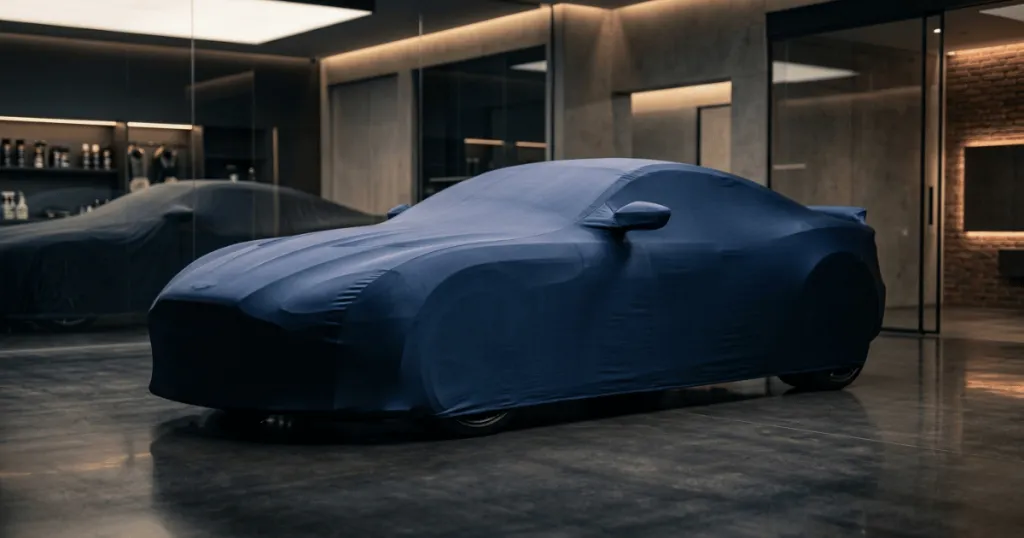
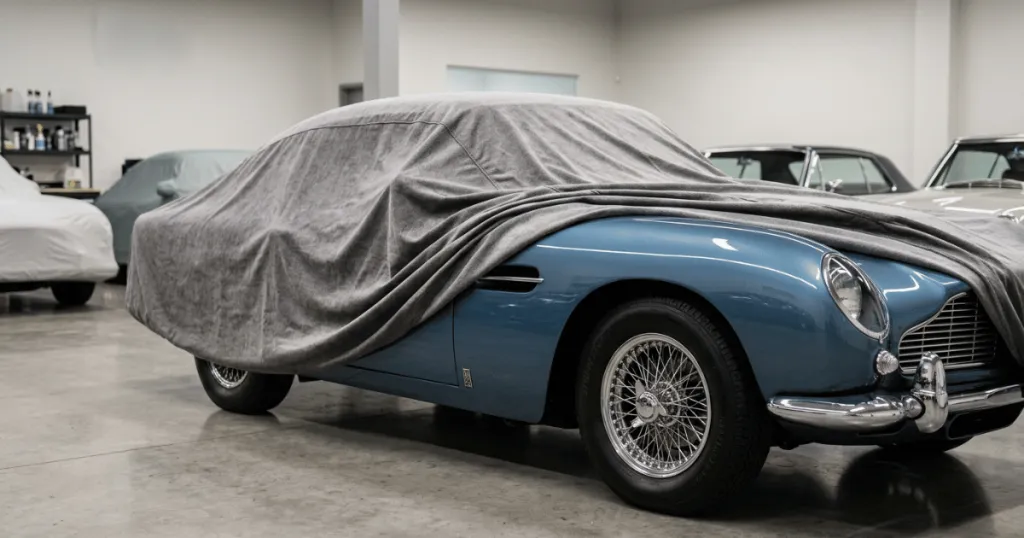
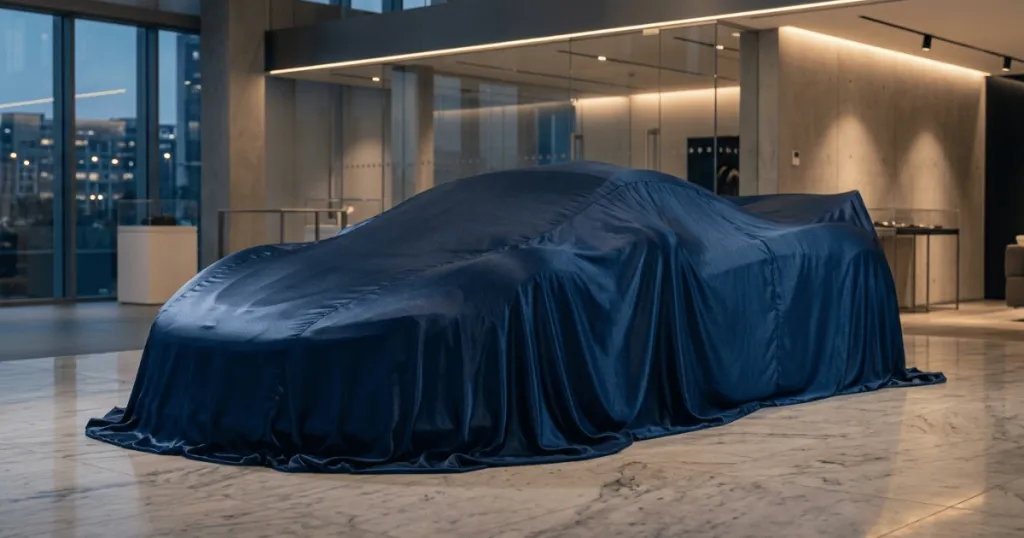
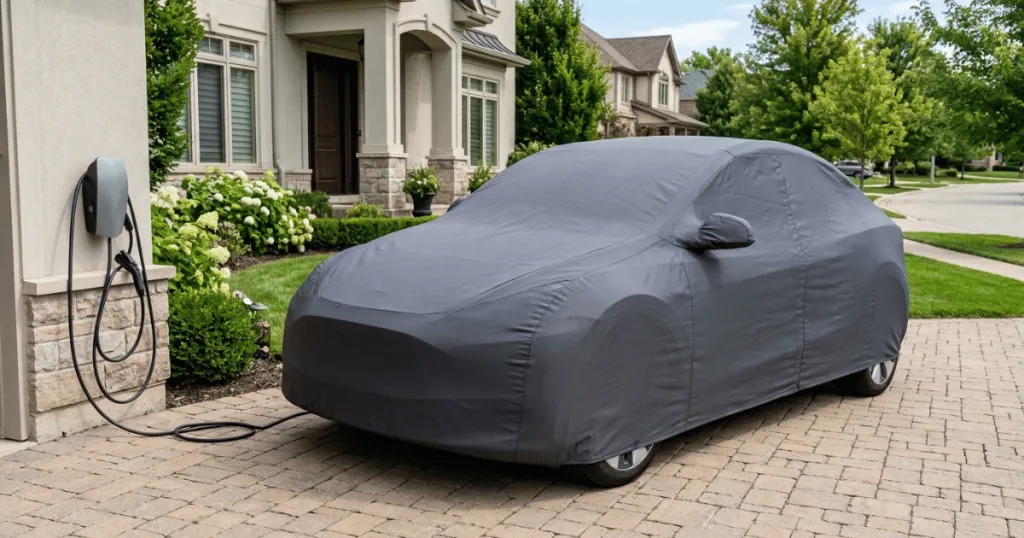
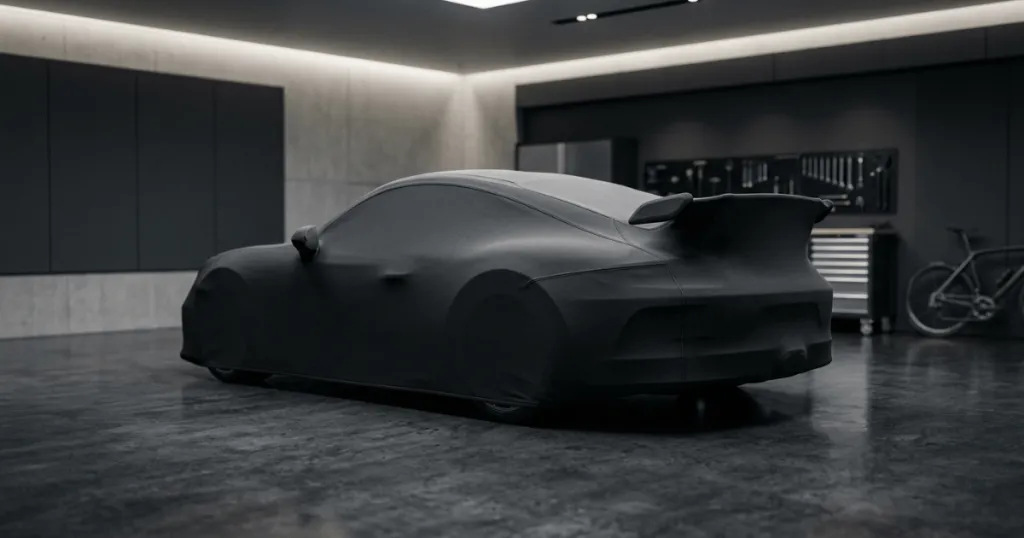
A sports car cover is a specialized exterior shield engineered to fit the unique low-slung geometry, aerodynamic body lines, and low ground clearance of performance vehicles. Unlike universal protectors designed for boxy sedans or tall family haulers, these fitted covers hug low splitters, aggressive rear wings, and side air intakes without leaving loose fabric to flap in the wind. Selecting the correct protection prevents environmental hazards from marring expensive factory paint while keeping moisture and dust away from sensitive body panels.
Performance vehicles face distinct environmental vulnerabilities because of their low stance and lightweight construction. Road dust, harsh ultraviolet radiation, tree sap, and sudden downpours can quickly degrade a high-end finish if the car remains exposed outdoors or even inside a dusty garage. Investing in a properly designed vehicle shield provides peace of mind and preserves the aesthetic integrity of a low-profile machine. A careful look at material choices, fit options, and storage environments reveals why standard off-the-shelf protection falls short for performance automobiles.
When evaluating options, vehicle owners must weigh considerations such as fabric weight, storage environment, and custom tailoring precision. A high-grade performance car cover acts as a tailored defensive layer, isolating clear coat protection from outdoor weathering and indoor particulate buildup.
Why Performance Vehicles Require Specialized Exterior Shields
Performance machines feature aggressive styling cues, wide rear haunches, and ground-hugging front splitters that standard automotive drapes simply cannot accommodate. A generic universal cover often hangs too low over the rocker panels or leaves pockets of fabric where wind can catch and create abrasive friction against clear coats. A dedicated sports car cover matches these complex contours through precise patterning, ensuring that mirrors, spoilers, and antennas fit inside tailored pockets.
Beyond physical dimensions, performance cars demand unique material priorities. Many owners garage their low-slung vehicles, requiring lightweight dust barriers that prevent microscopic grit from settling into soft paint. Other owners must park outdoors in intense sunlight, demanding multi-layer fabrics with strong UV inhibitors to prevent clear coat oxidation and interior dashboard fading. Understanding these baseline demands helps owners filter out improper options before making a final choice. A custom fit car cover eliminates the loose, billowing areas seen in generic designs, ensuring the shield stays stable even when coastal breezes or open-lot gusts sweep across the tarmac.
Key Factors in Selecting a Sports Car Cover
Indoor Dust Protection Versus Outdoor Weather Resistance
The storage environment dictates the exact fabric weight and waterproof rating required for a performance vehicle. Indoor storage calls for breathable, soft-woven fabrics like flannel blends or lightweight satin-stretch materials that prevent dust accumulation while allowing trapped humidity to escape safely. Outdoor storage requires heavy-duty multi-layer technical fabrics featuring microporous membranes that shed rain and snow while maintaining breathability under solar heating.
Selecting an indoor fabric for outdoor use leaves the vehicle vulnerable to water pooling and UV breakdown. Conversely, putting a heavy waterproof outdoor shield inside a tight garage can trap ambient moisture and create condensation against the metal. Matching the material grade to the actual parking environment safeguards the finish from chemical etching and moisture damage. For vehicles parked outside year-round, an outdoor car cover equipped with UV resistant fabric prevents solar radiation from breaking down synthetic fibers and fading rich color pigments.
Fit Categories and Custom Tailoring Precision
Fit determines how effectively an exterior shield performs its job during high winds or long storage cycles. Custom-patterned shields are tailored specifically to the exact make, model, and year of a performance vehicle, accommodating factory options like rear wings or wide-body kits. Semi-custom options offer a graded sizing structure based on length, width, and height, providing a closer fit than universal styles at a more accessible price point.
A loose, ill-fitting cover allows wind to buffet the fabric against the paint, acting like fine sandpaper on high-gloss clear coats. Custom-fit options eliminate loose fabric folds, ensuring the material remains stationary even during gusty storms. This stability preserves the finish and keeps dirt particles from grinding into the surface. When assessing your storage space, consider how custom tailoring interacts with low ground clearance and low-slung profiles to prevent pooling water at the rocker panels.
Material Composition and Layer Technology
Modern exterior vehicle protectors utilize engineered synthetic textiles rather than heavy canvas or plain plastic sheets. Polypropylene, polyester weaves, and specialized microporous films form the backbone of modern multi-layer covers. These textiles balance weather exclusion with moisture vapor transmission, preventing trapped condensation from forming water spots on hot paint.
Soft fleece or non-scratch inner linings protect delicate finishes from micro-scratches during installation and removal. The outer layers are typically treated with UV stabilizers to resist sun degradation, ensuring the fabric retains its tensile strength over years of exposure. Prioritizing material quality prevents premature fading, tearing, and chemical breakdown. A truly breathable car cover allows trapped vapor to escape while maintaining a powerful weatherproof shield against driving rain and heavy dew.
Real-World Scenarios and Practical Applications
Consider an owner who keeps a low-slung coupe in an underground parking garage shared with heavy traffic and construction dust. In this setting, the primary enemy is fine particulate matter settling on the clear coat, which turns into abrasive paste if wiped away carelessly. A lightweight stretch-satin sports car cover hugs the tight body lines closely, blocking dust while remaining easy to pull off and store in a compact trunk bag before weekend drives.
Now consider a convertible left parked outside in a coastal climate with intense sunlight, high humidity, and salty air. Here, the shielding requirements shift dramatically toward heavy UV reflection and corrosion resistance. The owner needs a multi-layer woven fabric with a waterproof barrier and reinforced grommets to anchor the hem against coastal winds. This setup prevents salt spray and blazing sun from degrading the soft top canvas and ruining the paint.
In both scenarios, practical usage habits dictate success. Putting a protector over a dirty car turns the inside lining into an abrasive pad, dragging trapped grit across the clear coat with every breeze. Washing the vehicle before installation or using the cover strictly in clean environments prevents these avoidable surface blemishes.
Why Proper Vehicle Shielding Matters for Enthusiasts
Preserving the exterior condition of a performance machine goes beyond vanity because paint health directly influences vehicle value and long-term enjoyment. Environmental contaminants like bird droppings, industrial fallout, and tree sap become acidic when baked by the sun, etching permanently into clear coats if left unchecked. A physical barrier intercepts these hazards before they reach the painted surface.
Furthermore, replacing or correcting damaged paint on complex modern bodywork involves significant expense and diminishes original factory finishes. Taking preventive measures with a dedicated exterior protector minimizes the need for aggressive paint correction and detailing over the lifespan of the vehicle. This proactive approach saves time and keeps the machine looking showroom-ready with minimal maintenance effort.
Common Misconceptions About Protective Car Covers
Many owners assume that any heavy waterproof tarp provides superior protection for their vehicle. In practice, non-breathable plastic tarps trap rising ground moisture beneath the material, creating a greenhouse effect that damages clear coats and promotes rust on exposed underbody metal. Breathability is just as important as water resistance for long-term paint health.
Another frequent misunderstanding involves the belief that a tight fit is always harmful to paint. While excessively tight universal covers can strain seams and rub against corners, properly engineered custom shields feature expansion allowances and soft inner linings designed specifically to rest safely against high-gloss surfaces. Understanding these engineering differences prevents common ownership mistakes.
Making the Right Choice for Your Performance Vehicle
Choosing the ideal sports car cover requires balancing your specific storage environment with the physical contours of your vehicle. Prioritize a snug, tailored fit over universal sizing to eliminate wind flap and protect delicate splitters and mirrors. Match the fabric breathability and water resistance directly to whether the car sits indoors in a clean garage or outdoors under harsh weather elements. By focusing on these core functional priorities, you ensure your performance vehicle remains protected against environmental wear for years to come.
FAQ
Do I need a custom sports car cover or will a universal size work?
A custom sports car cover is strongly recommended because performance vehicles feature unique low ground clearance, aerodynamic splitters, and low rooflines. Universal covers tend to sag and flap in the wind, which can scratch the paint.
Can I put a car cover on a dirty sports car?
You should never place a cover over a dirty vehicle. Trapped dust and grit act like sandpaper against the clear coat when wind moves the fabric, creating micro-scratches.
How do I clean my exterior vehicle cover?
Most synthetic covers can be cleaned while draped loosely over the car by washing them down with mild automotive soap and lukewarm water, then letting them air dry completely before storage.