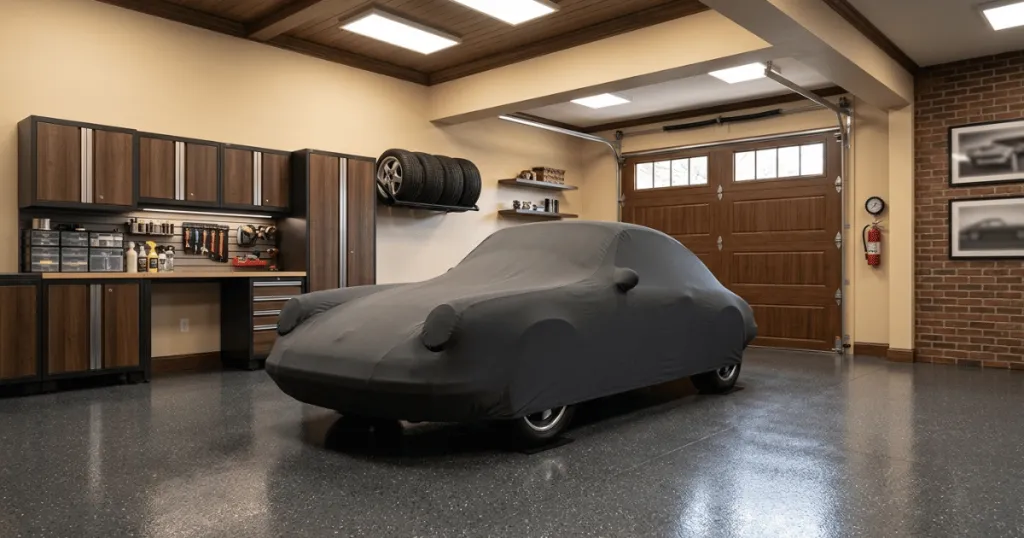
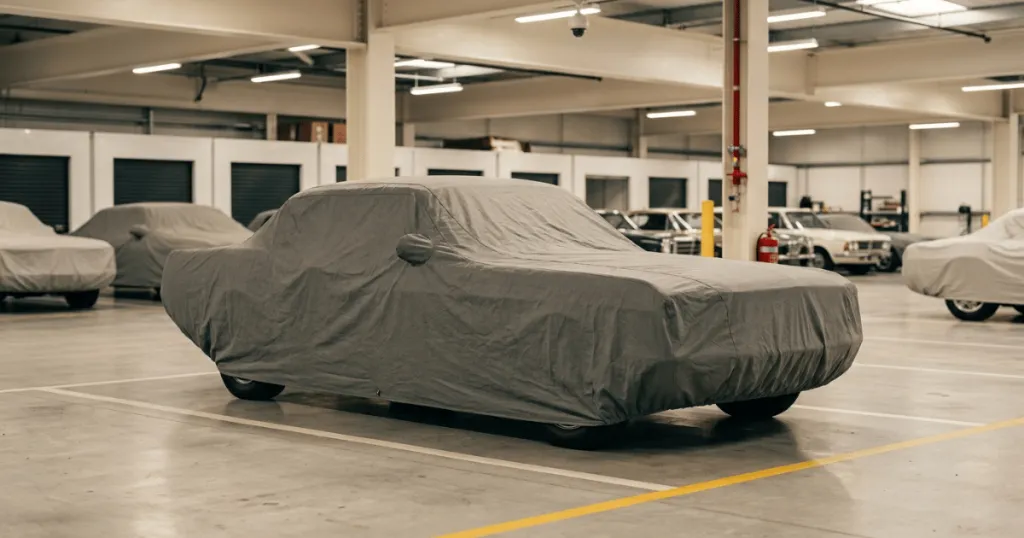
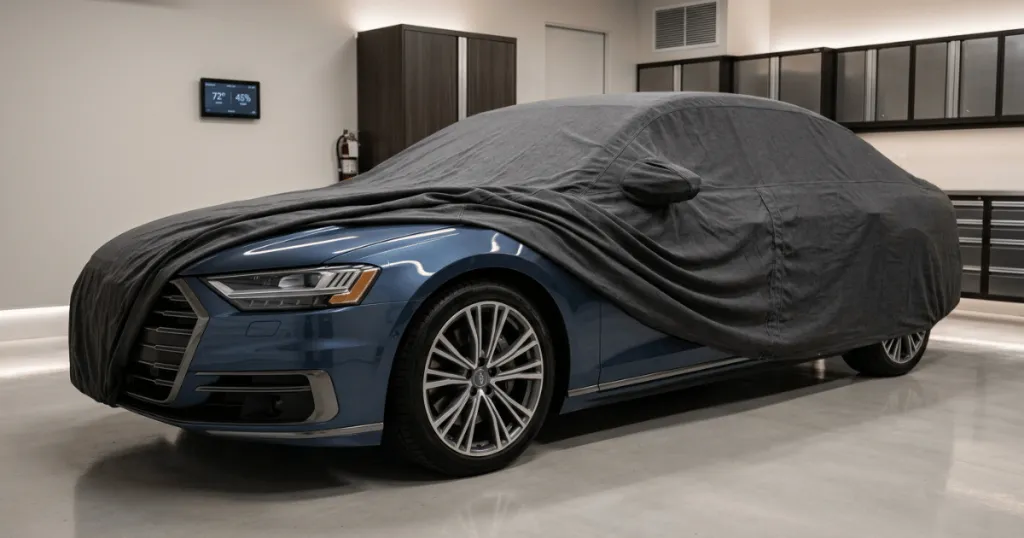
Leaving a vehicle parked in an apartment complex lot exposes it to a unique mix of environmental hazards and security risks that street parking or single-car garages rarely present. Choosing an apartment parking car cover requires balancing weather resistance with daily usability, especially when you have to carry the damp shield back up to a second-floor unit after a sudden downpour. Understanding how different fabrics, fit styles, and security cables perform in open lots helps you protect your car’s paint without turning your daily commute into an exhausting chore.
Open-lot vehicle storage subjects your paint and trim to constant stress from blazing sun, blowing dust, bird droppings, and overhead tree sap. When you do not have a private garage or a secure carport, a well-chosen exterior cover acts as a physical barrier against these persistent urban elements. However, an apartment complex environment also introduces security challenges, such as theft or vandalism, which demand careful feature selection before you make a purchase.
Navigating the daily routine of applying and removing an outdoor vehicle cover in a shared parking space involves practical habits that safeguard both your vehicle and your time. Because apartment stalls are frequently cramped, your cover needs to handle being unrolled on asphalt, brushed against dusty tires, and folded quickly in tight quarters. Focusing on how materials react to friction, moisture, and local climate patterns ensures your open lot car cover remains a helpful tool rather than a frustrating chore.
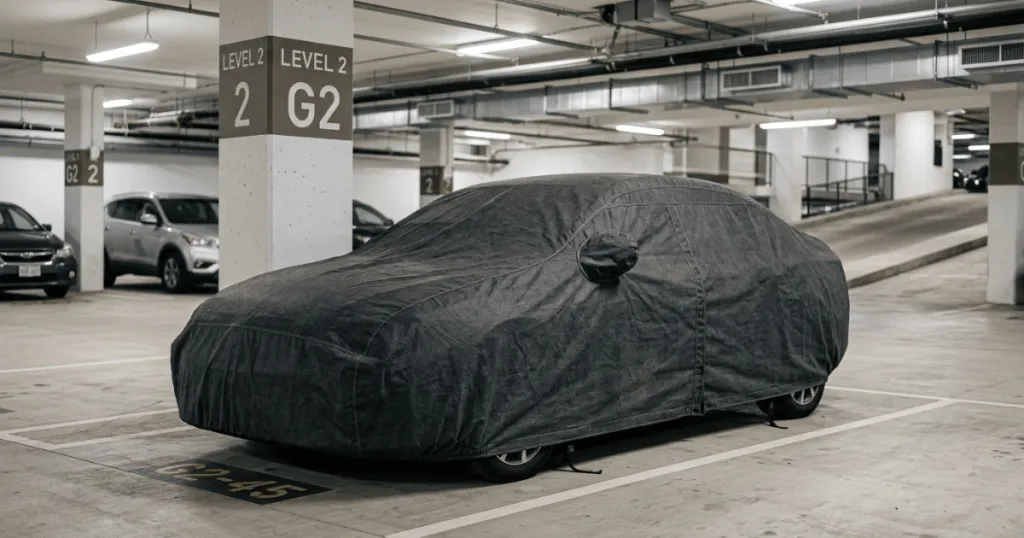
Assessing Environmental Exposure in Shared Lots
Shared apartment lots rarely offer uniform shade or protection throughout the day. Your parking stall might sit under direct afternoon sun for six hours, or it might rest beneath a large oak tree that drops sticky sap every spring. Pinpointing your specific environmental stressors should dictate your material selection long before you look at price or brand names.
Sun Exposure and UV Degradation
Intense ultraviolet radiation breaks down clear coats and cracks rubber window seals faster than almost any other weather factor. If your apartment stall has no shade structure, look for a woven polyester or multi-layered fabric treated with UV inhibitors. Lightweight, single-layer universal covers often degrade within a single season under harsh sun, turning brittle and tearing apart in the wind. A proper UV protection car cover acts as a shield against solar breakdown, preserving the chemical integrity of your automotive finish over years of outdoor parking.
Tree Debris and Bird Droppings
Overhead trees provide welcome shade, but they also bring sap, pollen, and acidic bird droppings that etch modern clear coats within hours. A breathable multi-layer material prevents moisture from trapping underneath while stopping organic debris from making direct contact with your paint. Breathability is critical because trapped humidity combined with baking sun creates a greenhouse effect that clouds paint finishes. Effective tree sap protection relies on fabric density that prevents sticky resins from seeping through to the clear coat while maintaining adequate air circulation.
Wind Tunnels and Open-Lot Buffeting
Large apartment parking lots often act as wind tunnels, catching sudden gusts that whip loose fabric back and forth across your vehicle. A loose-fitting cover will flap violently, creating friction marks and micro-scratches on high points like roof edges, mirrors, and spoilers. Snug construction and heavy fabric weight help damp down this movement during stormy weather. Wind buffering depends heavily on secure perimeter tension, keeping the material stable even when open-lot gales sweep across flat asphalt.
Choosing Fit Styles for Multi-Car Environments
Fit is the single most important factor determining whether your cover stays secure or becomes a neighborhood nuisance. Universal covers, semi-custom sizes, and tailored options each handle shared parking conditions differently. You must weigh the precision of the fit against the speed of installation and removal when you are rushing to work in the morning.
Universal Versus Custom Fit Options
Universal covers rely on general length brackets, meaning excess material hangs loose and creates loose pockets that catch the wind easily. Custom-patterned covers hug every body line, mirror pocket, and bumper contour of your specific year, make, and model. While custom options cost more, they eliminate flapping fabric that might scratch your car or attract unwanted attention in a crowded lot. Investing in a custom fit car cover minimizes loose folds, ensuring that high winds cannot easily get underneath the hem and lift the barrier off your vehicle.
The Practicality of Semi-Custom Designs
Semi-custom options strike a middle ground by grouping vehicles into specific body styles like compact sedans, midsize SUVs, or trucks. They offer a reasonably snug fit without the custom price tag, making them popular for apartment dwellers who want decent wind resistance. Check that the elastic hem wraps securely under the front and rear bumpers to prevent sudden gusts from lifting the edges. This snug elastic hem keeps the fabric anchored tightly around the lower body panels, reducing dust infiltration from passing vehicles in the lot.
Security and Theft Prevention in Shared Spaces
Leaving valuable items or high-end vehicle accessories unattended in a public lot invites tampering or theft. An apartment parking car cover needs built-in security features that anchor it to the chassis and deter opportunistic thieves. Without these safeguards, you risk losing an expensive protective shell overnight.
Cable Locks and Grommet Reinforcements
Look for covers featuring reinforced metal grommets positioned near the lower center doors, allowing you to run a vinyl-coated steel security cable underneath the car. This cable locks the cover in place, preventing someone from simply pulling it off and walking away. Reinforced stitching around these grommets is essential so the fabric does not tear away from the cable under tension. Integrating a car cover security lock into your routine stops casual theft in open lots where foot traffic is frequent and unpredictable.
Visibility and Discretion Trade-Offs
Brightly colored covers draw eyes to your vehicle, which can be a drawback if you prefer to keep a low profile in a busy lot. Neutral tones like silver, gray, or charcoal blend into typical asphalt environments and reduce unwanted attention. However, reflective silver fabrics also offer the practical benefit of bouncing sunlight away, keeping interior cabin temperatures lower during hot summer afternoons.
Managing Storage and Maintenance Challenges
Living in an apartment introduces physical storage hurdles that homeowners with garages rarely face. A heavy, mud-splattered cover cannot simply be left on the lawn to dry, and lugging a wet twenty-pound bundle up three flights of stairs is deeply frustrating. Planning for routine cleaning and off-car storage keeps your investment functional over years of use.
Handling Wet and Dirty Covers
When you pull off a wet cover after a rainstorm, it holds significant water weight and carries road grime on its inner and outer surfaces. Stacking a dirty, wet cover directly into your trunk will stain your interior carpet and promote mildew growth. Give yourself a routine for shaking off excess water, folding the cover loosely, and airing it out on your balcony or patio when weather permits.
Compact Folding and Trunk Storage
Select a material weight that folds down compactly enough to fit inside the provided storage bag without requiring a wrestling match. Lightweight multi-layer fabrics compress easily into a trunk corner, leaving room for groceries or gear. Avoid extremely thick canvas styles unless you have a dedicated storage bin in a basement locker or storage unit. Keeping a designated storage bag in your trunk ensures that your protective shell stays clean and organized when you are out driving during the day.
Why Choosing the Right Protection Matters
Protecting your vehicle’s exterior finish goes beyond mere cosmetic vanity; it directly influences long-term vehicle value and prevents costly paint correction bills. In an apartment parking car cover scenario, your vehicle faces daily cumulative damage that accumulates quietly over months of open-air exposure. Clear coat failure, oxidized trim, and faded headlight lenses diminish resale value and require expensive professional detailing to restore. By establishing a reliable routine with a protective barrier, you insulate yourself from these avoidable expenses. Furthermore, maintaining a clean, covered car discourages urban wear and tear, keeping your daily driver looking cared for even when parked in a high-density lot.
Common Misconceptions About Outdoor Parking Covers
Many vehicle owners assume that any thick canvas sheet will do the job, or that waterproof materials are always superior to breathable ones. In practice, completely waterproof non-porous plastic sheets trap morning condensation against the paint, causing chemical staining known as water etching. Another frequent myth is that a cover will protect your car from dents caused by heavy hail storms without specialized multi-layer padding. Standard protective layers guard against UV rays, dust, and sap, but they cannot absorb the kinetic impact of falling ice unless you purchase a dedicated heavy-duty padded structure.
Making Your Final Decision
Selecting the best apartment parking car cover comes down to prioritizing your local climate challenges against your daily convenience. If you live in a scorching sun belt, prioritize high UV resistance and heat reflectivity above all else. If you park beneath heavy pine or oak trees, focus on a breathable multi-layer fabric that stops sap from reaching your clear coat. Always measure your vehicle carefully, verify the inclusion of a security cable lock, and pick a material weight you can comfortably handle during your morning routine. A thoughtful choice ensures your car stays shielded through every season without adding unnecessary friction to your daily life.
FAQ
Can I use an apartment parking car cover on a dirty vehicle?
Putting an apartment parking car cover over a dirty car acts like sandpaper whenever wind causes the fabric to shift. Always wash or rinse heavy dust and grit off your vehicle before installing the cover.
How do I prevent my car cover from being stolen in a shared lot?
Choose a cover with built-in reinforced grommets and thread a vinyl-coated steel security cable underneath the chassis, locking it in place with a padlock.
What is the difference between waterproof and water-resistant covers for open lots?
Waterproof non-porous covers trap condensation underneath during temperature shifts, which can damage paint. Breathable water-resistant materials shed rain while allowing trapped moisture to evaporate safely.