Many vehicle owners treat their protective covers as set-and-forget accessories, but the reality is that consistent care is the primary factor in how long these materials remain effective. When you invest in a high-quality cover to shield your paint from UV rays, dust, and environmental hazards, you expect it to perform reliably over several seasons. However, environmental buildup and improper handling can degrade even the most durable fabrics prematurely. Learning how to extend car cover life is not just about saving money, but about ensuring your vehicle receives the consistent defense it requires throughout the year.
The longevity of your cover depends heavily on how you manage the interface between the fabric and the vehicle surface. By adopting a few simple routines, you can prevent common issues like fabric thinning, seam stress, and moisture entrapment. This guide explores the practical steps you can take to keep your cover in top condition, focusing on maintenance habits that prevent damage before it starts.
Understanding the Factors That Extend Car Cover Life
To maximize the utility of your cover, you must address the environmental and physical stressors that degrade synthetic and natural fibers. Most covers fail not because of a single catastrophic event, but through a slow accumulation of debris, moisture, and friction. By managing these variables, you significantly improve the durability of your investment.
Regular Cleaning Cycles
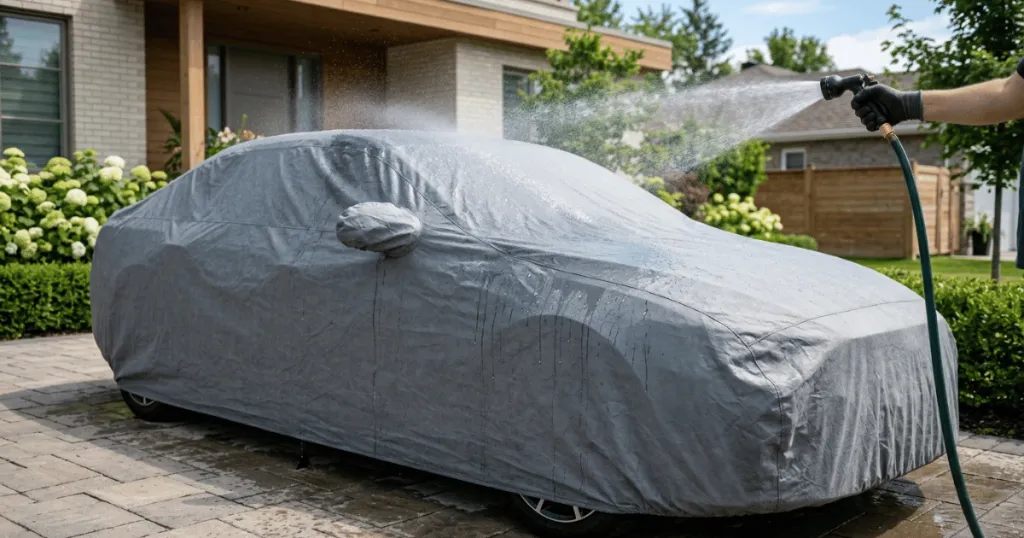
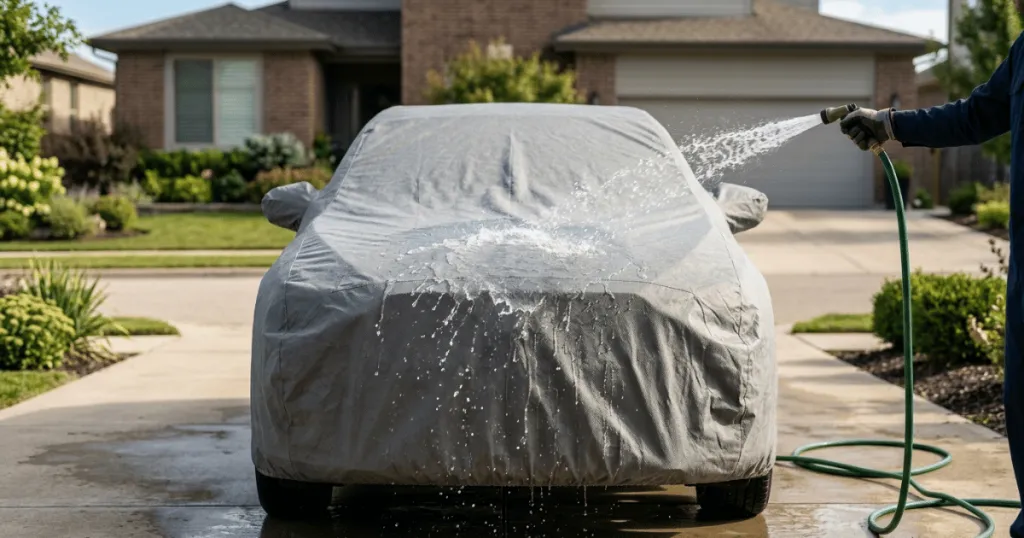
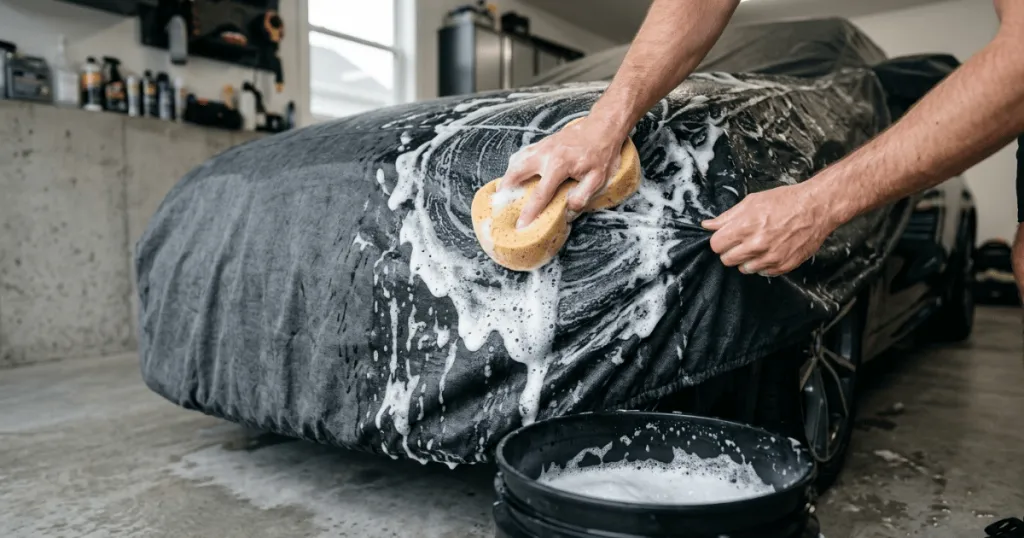
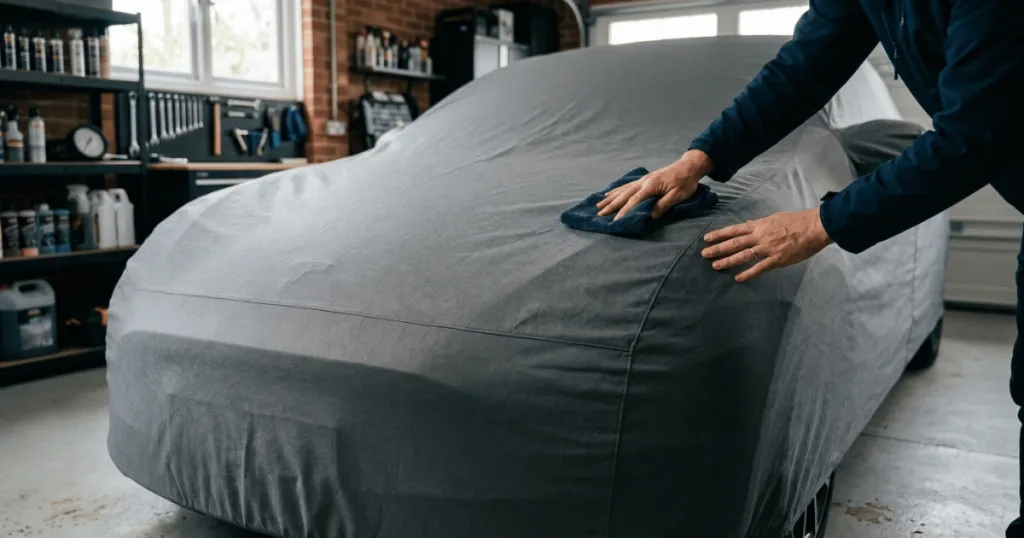
Dust, tree sap, and bird droppings are more than just cosmetic nuisances. These particles act as abrasives when trapped between the cover and your paint, but they also degrade the fabric itself. Over time, organic matter can cause mold or mildew growth, especially in humid environments. Periodically washing your cover with a mild, non-detergent soap and a soft brush helps remove these contaminants. Always allow the cover to air dry completely in a shaded area before folding it, as moisture trapped in a storage bag is a leading cause of fabric rot.
Strategic Storage Practices
How you store your cover when it is not in use is just as important as how you use it on the vehicle. Avoid leaving the cover bunched up on the ground or in a damp corner of your garage. Using a dedicated storage bag allows the fabric to breathe, which prevents the buildup of trapped moisture and odors. If you have a multi-layer cover, ensure it is folded loosely rather than tightly compressed to maintain the integrity of the inner lining and the water-resistant outer membrane.
Real-World Context for Daily Maintenance
Applying these maintenance principles requires adjusting your routine based on your specific storage environment. Whether you park in a dusty garage or under direct sunlight, the specific threats to your cover change, and your care strategy should adapt accordingly.
Managing Indoor Storage Risks
Indoor storage often feels like a safe environment, but it presents unique challenges for car covers. Dust accumulation in a garage is often fine and abrasive, and it can settle into the fibers of the cover. If you shake your cover out before putting it on, you reduce the amount of grit that gets pressed against your clear coat. Additionally, ensure your garage is well-ventilated. Even indoors, temperature fluctuations can cause condensation to form under the cover if the air cannot circulate properly.
Handling Outdoor Exposure
Outdoor covers face the most intense degradation from UV rays and precipitation. UV radiation causes synthetic materials to become brittle and lose their water-repellent properties over time. To combat this, ensure your cover is properly secured with tie-down straps to prevent wind whipping. Wind friction is a major cause of micro-tears and seam failure. If you live in a high-wind area, consider using a gust guard or additional bungee cords to keep the fabric taut, which prevents the cover from flapping against the vehicle body and wearing down the protective finish.
Why Consistent Care Matters for Your Vehicle
The relationship between your cover and your vehicle is symbiotic. A well-maintained cover provides a consistent barrier against environmental oxidation, which helps preserve the long-term value of your paintwork. When a cover begins to fail, it often does so in ways that are not immediately visible, such as losing its breathability or its ability to block harmful UV rays. By staying proactive, you ensure that the cover continues to act as a reliable shield rather than a source of potential damage.
Furthermore, replacing a cover prematurely is an avoidable expense. Most high-quality covers are designed to last for several years, provided they are not subjected to harsh chemical cleaners or excessive physical abuse. By following manufacturer recommendations for cleaning and handling, you extend the functional life of the product significantly. This approach also gives you peace of mind, knowing that your vehicle is protected by a cover that is still performing at its original specification.
Common Misconceptions About Cover Longevity
One of the most frequent mistakes owners make is assuming that a heavier, thicker cover is always more durable. While weight can indicate material density, it does not necessarily equate to longevity. Some of the most durable covers use advanced, lightweight materials that are specifically engineered to resist UV breakdown and moisture absorption. Over-reliance on heavy-duty materials can sometimes lead to issues with breathability, which traps moisture and accelerates the degradation of the cover’s inner lining.
Another common misunderstanding is the belief that covers are entirely maintenance-free. While they are designed to be low-maintenance, they are not immune to the effects of the elements. Assuming that a cover will remain pristine without any intervention often leads to the buildup of grime that eventually compromises the fabric’s integrity. A regular inspection of the seams and the elastic hem is a better strategy than assuming the cover will last indefinitely without oversight. When you take the time to inspect your equipment, you can catch minor issues like fraying or loose stitching before they turn into large, unrepairable tears.
Advanced Techniques for Material Preservation
Beyond basic cleaning, you can take specific steps to protect the structural integrity of your cover. If you notice the water-repellent finish on an outdoor car cover beginning to fail, you might consider applying a specialized fabric treatment designed for automotive covers. These treatments are formulated to restore the hydrophobic properties of the material without clogging the pores that allow for breathability. Always verify compatibility with your specific fabric type, as some treatments may damage specialized coatings or delicate inner linings.
Another aspect of car cover maintenance involves the management of physical stress points. Mirrors, antennas, and spoilers are common areas where the cover experiences high tension. If your cover does not have custom pockets for these features, the fabric will stretch and thin over time. You can mitigate this by using soft padding or ensuring the cover is centered perfectly every time you install it. Reducing the tension on these specific points prevents the fabric from reaching its breaking point, which is a key component of effective car cover care.
Climate-Specific Maintenance Strategies
The climate in which you live dictates the primary threats to your cover. In high-heat areas, the focus should be on preventing UV-induced brittleness. You can extend the life of your cover in these regions by occasionally rotating the cover if possible, or by ensuring that the vehicle is parked in a way that minimizes direct solar exposure during peak hours. In contrast, if you live in a region with heavy rainfall or snow, the priority is preventing moisture entrapment. Ensure the cover is positioned to allow water runoff, and check underneath the cover after heavy storms to ensure that no pooling is occurring on the roof or trunk.
For those in coastal areas, salt air is a significant concern. Salt crystals can become embedded in the fabric, acting as microscopic abrasives that degrade the material and potentially damage the vehicle finish. Frequent rinsing with fresh water is essential in these environments. By removing the salt buildup, you prevent the fabric from becoming stiff and brittle, which is a common precursor to tearing. This preventative maintenance is a small investment of time that pays dividends in the overall durability of your protective equipment.
Final Thoughts on Preserving Your Investment
Ultimately, the effort you put into maintaining your cover directly correlates to its performance and lifespan. By focusing on gentle cleaning, proper drying, and secure installation, you can effectively extend car cover life and ensure that your vehicle remains protected against the elements for years to come. Remember that a little bit of attention during your regular car care routine goes a long way in preventing the premature wear that often plagues neglected covers. Treat your cover as a precision tool for vehicle preservation, and it will reward you with reliable service throughout the seasons.
FAQ
How often should I clean my car cover?
You should clean your car cover whenever you notice significant dust or debris accumulation. For most users, a light cleaning every few months is sufficient, but if you park outdoors in a dusty or high-pollen environment, you may need to rinse it more frequently to extend car cover life.
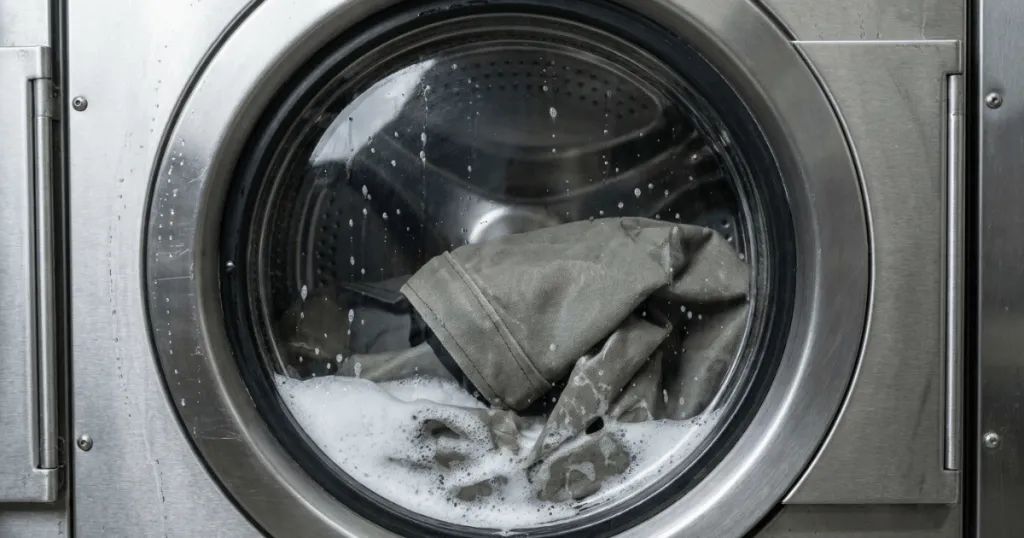
Can I put my car cover in a washing machine?
Most manufacturers recommend against using a standard washing machine, as the agitator can damage the fabric and seams. It is safer to wash the cover by hand using a soft sponge and a mild, non-detergent soap while the cover is draped over the vehicle or laid out on a clean surface.
Is it necessary to use a storage bag?
Yes, using a storage bag is essential for protecting the fabric from dust and accidental tears when the cover is not in use. It also helps keep the cover organized and prevents it from being stored in a way that traps moisture, which is vital to extend car cover life.
What should I do if my cover gets wet?
If your cover gets wet, you should allow it to air dry completely before folding it for storage. Never store a damp cover in a bag, as this creates a breeding ground for mold and mildew, which can permanently damage the fabric and the finish of your vehicle.