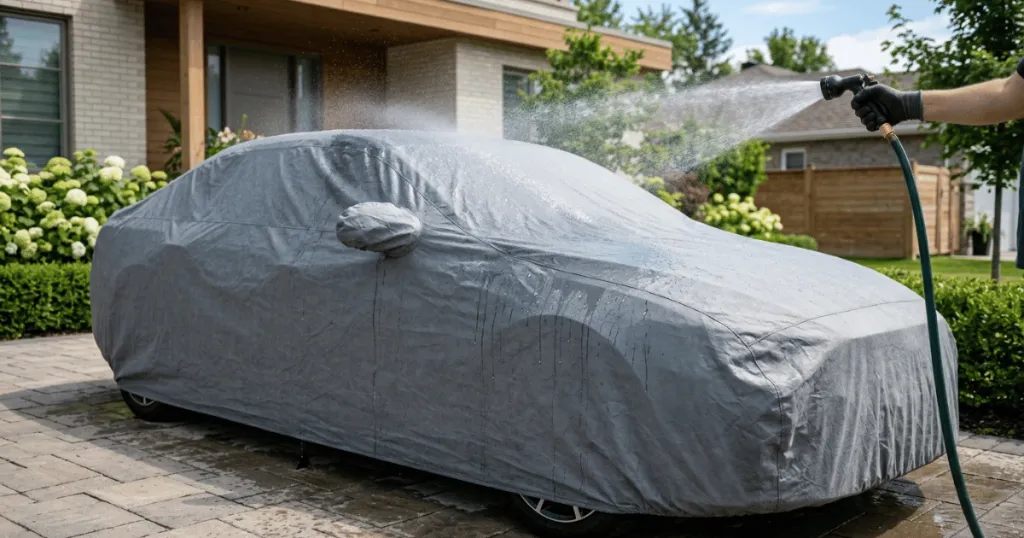
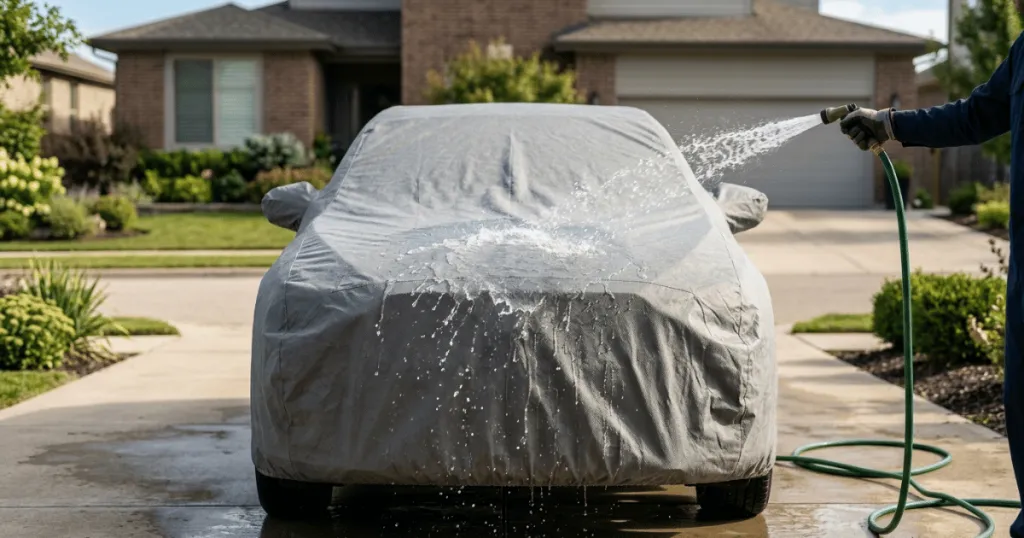
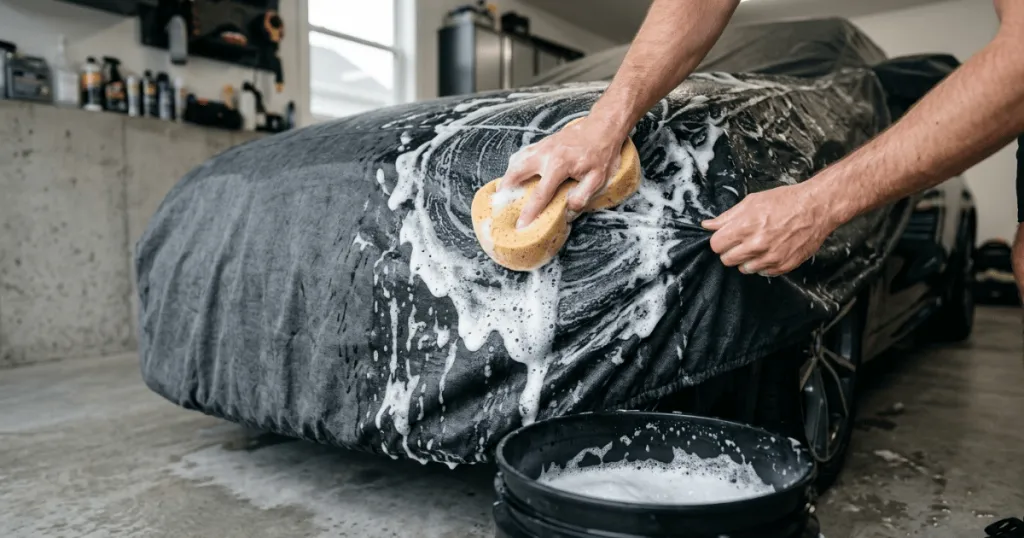
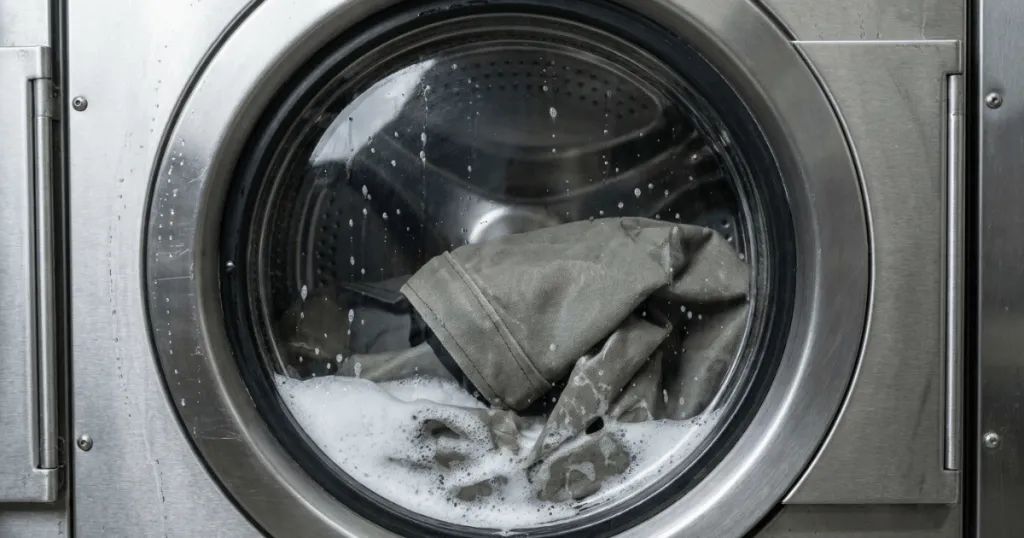
When your vehicle protection shield starts absorbing rainwater instead of shedding it in tight beads, the underlying fabric is losing its initial factory treatment. Managing a waterproof coating renewal car cover process helps extend the lifespan of heavy outdoor protective gear without requiring an immediate replacement.
Understanding how barrier polymers degrade under intense solar radiation and constant humidity enables vehicle owners to time their maintenance accurately and preserve paint security throughout severe weather cycles. Rather than relying on guesswork, car owners can evaluate specific surface indicators to determine the exact moment chemical intervention is necessary.
A proactive approach keeps the protective textile functioning as intended, guarding delicate automotive paint finishes from chemical etching, hard water mineral deposits, and abrasive dust accumulation. By addressing minor hydrophobic wear before it turns into absolute membrane failure, owners protect both their investment in the cover and the vehicle parked underneath.
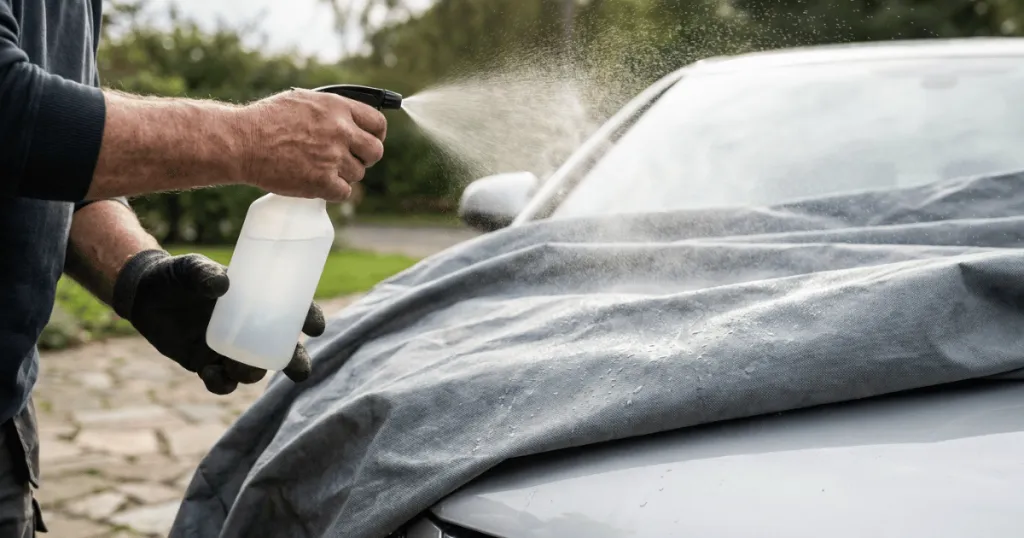
Understanding Fabric Waterproofing Degradation
Outdoor vehicle shields rely on specialized topical treatments or embedded membrane layers to block moisture intrusion. Over months of exposure, ultraviolet rays break down the molecular bonds of these protective chemicals. This breakdown transforms a once-slick surface into a porous barrier that traps humidity against the clear coat.
Recognizing the early warning signs of membrane failure prevents moisture-induced oxidation and mold growth on the vehicle body. When water droplets flatten out and soak directly into the weave rather than forming distinct beads, the protective integrity is compromised.
As the exterior surface loses its low surface energy, moisture begins to cling to the individual yarn fibers. This phenomenon increases the dry weight of the protective canopy when wet, placing unnecessary mechanical stress on elastic hem cords and grommets during windstorms. Comprehending this degradation cycle allows owners to implement car cover waterproofing spray treatments at the right stage of wear.
Ultraviolet Radiation Damage Patterns
Solar energy is the primary driver of polymer breakdown in modern automotive textiles. High temperatures cause fabric fibers to expand, allowing surface treatments to wear off more rapidly during handling and wind buffeting.
Continuous sun exposure also oxidizes polyurethane layers, turning flexible polymers brittle and prone to micro-cracking. Once these microscopic fissures form, moisture penetrates deep into the core yarn structure.
In regions subject to intense heat, this thermal stress accelerates the aging of multi-layer materials. The outer shell may appear intact from a distance, yet the chemical shield responsible for repelling liquid water has completely evaporated at a molecular level, leaving the fabric vulnerable to sudden saturation.
Environmental Contaminant Accumulation
Pollution, tree sap, and road grime settle into the microscopic valleys of the fabric weave. These acidic particles chemically bond with the waterproofing polymers, accelerating their decomposition over time.
Regular washing removes these abrasive agents before they permanently etch or degrade the weather-resistant finish. Leaving contaminants in place shortens the effective service window of any protective textile.
When airborne fallout mixes with morning dew, it forms a mild chemical solution that eats away at the topical finish. Left unwashed, this residue forms a crust that prevents modern restorative polymers from bonding correctly during subsequent maintenance applications.
Core Benefits of Performing a Waterproof Coating Renewal Car Cover Process
Restoring the hydrophobic properties of an outdoor shield provides immediate functional advantages for parked cars, trucks, and SUVs. Maintaining high surface tension ensures that rain, morning dew, and atmospheric fallout roll away cleanly instead of resting on the vehicle surface.
Revitalizing an existing shield is also a practical alternative to buying new equipment, provided the underlying fabric remains structurally sound. The process reinforces the material against tearing while keeping moisture levels manageable under the canopy.
Vehicle owners who commit to routine upkeep avoid the sudden expense of premature replacements. Furthermore, keeping the outer layer functional ensures that breathable car cover protection features operate efficiently without locking unwanted dampness inside the enclosure.
Restoring Moisture Repellency
A successful treatment reestablishes high contact angles for water droplets on the outer textile. This high surface tension forces moisture to bead up and slide off with the slightest breeze or tilt of the panel.
Effective shedding prevents heavy puddling on roof sections, reducing the risk of sagging and excessive weight stress on side mirrors and antennas.
When water rolls off instantly, the textile stays lighter after storms. This rapid drying characteristic prevents stagnant pools from forming, which significantly reduces the likelihood of water spotting on vulnerable vehicle paint.
Preventing Trapped Humidity
When outdoor textiles lose their outer finish, they absorb water weight and restrict natural evaporation. Restoring the exterior barrier keeps moisture on the outside while allowing trapped interior vapor to escape through breathable microscopic pores.
Balancing liquid exclusion with internal vapor release stops moisture rings from forming on freshly polished clear coat finishes during humid storage periods.
If humidity remains trapped underneath an unmaintained shield, it creates a greenhouse effect under direct sunlight. Restoring the outer waterproof barrier while preserving underlying porosity stops this damaging cycle entirely.
Extending Material Lifespan
Treating fabric before it suffers catastrophic fiber breakdown preserves the tensile strength of the textile weave. Well-maintained covers resist wind flutter damage and abrasive rubbing far better than untreated, dried-out materials.
Proactive care delays the need for complete replacement, making routine maintenance a smart choice for long-term vehicle storage management.
Regular maintenance also preserves the softness of the interior liner, ensuring that the cover does not scratch delicate body panels during installation and removal procedures.
Evidence Strength, Material Limits, and Real-World Constraints
While chemical restorative sprays can dramatically improve surface water behavior, they have clear technical boundaries. Understanding what these treatments can and cannot achieve prevents unrealistic expectations during maintenance.
A topical spray-on treatment cannot repair structural tears, large UV-rotted holes, or severely degraded base fabric. If the underlying polyester or canvas has lost its structural integrity, a replacement is the only safe option.
Owners should also recognize that DIY restoration does not match the factory immersion process in terms of longevity. Topical applications sit on the outer surface rather than penetrating every microscopic strand of the yarn, meaning they require more frequent renewal cycles.
Limitations of Topical Spray Treatments
Aftermarket aerosol or liquid restorers coat the outer fibers with silicone, fluoropolymer, or ceramic nanoparticles. These formulas offer solid temporary protection, but they lack the deep thermal bonding of factory-applied liquid immersion processes.
Friction from high winds and folding will gradually wear away these topical applications, requiring periodic reapplication every few months depending on local climate severity.
Applying these formulas unevenly can result in patchy water beading. Careful, thorough application following manufacturer guidelines is essential to achieve uniform surface performance across large vehicle profiles like full-size SUVs.
Fabric Type Compatibility Factors
Different textile compositions react uniquely to restoration products. Woven polyester, multi-layer polypropylene, and specialized canvas materials absorb restorative polymers at different rates.
Using an incompatible formula can leave sticky residues that attract dust and pollen, creating a messy buildup that requires another thorough washing to correct.
Checking the manufacturer label before purchasing any restorative chemical is critical. Certain synthetic blends disintegrate when exposed to petroleum-based solvents, making water-based fluoropolymer treatments the only safe choice for sensitive fabrics.
Who Benefits Most from Routine Shield Maintenance
Certain vehicle storage environments demand rigorous upkeep of protective textiles to prevent costly surface damage. Identifying whether your parking situation calls for active maintenance helps prioritize your vehicle care routine.
Vehicle owners residing in coastal regions, high-sun zones, or industrial districts see the highest return on investment from proactive textile preservation.
In these challenging settings, environmental aggressors accelerate the destruction of protective finishes. Regular chemical renewal acts as an essential buffer between harsh external conditions and the vehicle paint below.
Intense Sun and Heat Exposures
Vehicles parked outdoors in desert climates or unshaded asphalt lots experience rapid thermal cycling. High heat bakes residual moisture into the paint while accelerating the breakdown of untreated fabric barriers.
Keeping the outer shield properly waterproofed prevents the cover material from sticking to hot body panels and damaging delicate clear coat surfaces.
Thermal expansion and contraction can cause micro-cracks in worn-out fabrics. Maintaining an active hydrophobic coating keeps the textile flexible, allowing it to expand and contract smoothly during extreme temperature swings.
High-Moisture and Frequent Rainfall Zones
Regions with prolonged rainy seasons or heavy morning dew put constant pressure on vehicle covers. Without active hydrophobic maintenance, these covers become saturated sponges that hold moisture against the car for days.
Revitalizing the outer barrier ensures that continuous downpours shed instantly, keeping the vehicle dry between drives.
For outdoor vehicle storage in wet climates, a restored textile prevents mold spores from taking root in the weave. This keeps both the cover and the vehicle clean, odor-free, and protected from environmental decay.
Common Misconceptions About Fabric Restoration
Several persistent myths surround the upkeep of outdoor vehicle protection products. Believing these misconceptions often leads to ruined fabrics and damaged vehicle paint.
Sorting marketing exaggeration from technical reality ensures you apply the correct maintenance steps without risking your vehicle finish.
Understanding these pitfalls saves car owners time and prevents irreversible damage to expensive protective textiles.
Assuming All Fabrics Can Be Restored Infinitely
Many owners believe that any old, brittle fabric can be brought back to life with enough chemical spray. In reality, UV degradation alters the chemical structure of the yarn itself, making further treatment ineffective.
Once fabric begins shredding under gentle finger pressure or shedding colored dust, no restorative spray can save it.
Recognizing the point of diminishing returns prevents wasted effort on fabrics that have reached the end of their functional service life.
Confusing Waterproofing with Breathability
A common mistake involves drenching a cover in heavy silicone sealants to achieve absolute water block, ignoring the need for vapor escape. Completely sealing a breathable fabric turns the cover into an airtight capsule.
This trap causes condensation to pool on the vehicle surface, leading to severe water spotting and paint clouding under morning sun.
True fabric maintenance preserves air permeability so that trapped ground moisture escapes safely into the atmosphere instead of attacking the clear coat.
Final Decision Guidance for Vehicle Owners
Deciding whether to perform a waterproof coating renewal car cover procedure comes down to an honest assessment of fabric age and environmental exposure. Inspect your outdoor shield thoroughly while it is clean and dry to spot thinning areas before failure occurs.
If the material remains strong and only lacks water beading, a dedicated fabric restorative treatment provides an effective, cost-efficient path forward. Prioritize regular gentle cleaning and timely re-coating to ensure your vehicle remains shielded against harsh outdoor elements year-round.
By monitoring water behavior on the cover after every few months of exposure, owners can apply maintenance treatments proactively, ensuring maximum protection for paint, trim, and body panels regardless of regional weather extremes.
FAQ
How often should I apply a waterproof coating renewal car cover treatment?
Most outdoor protective covers require a hydrophobic refresh every six to twelve months, depending on local UV intensity and rainfall frequency.
Can I use standard household silicone spray to waterproof my car cover?
No. Standard household sprays can damage breathable membranes, leave sticky residues, and trap damaging humidity against your vehicle paint.
How do I know if my car cover is too old for a waterproof coating renewal car cover process?
If the fabric tears easily, leaves colored dust on your fingers, or shows large areas of thread breakdown, replacement is safer than restoration.
Should I wash the car cover before applying a waterproofing treatment?
Yes. Dirt and pollutants block bonding agents, so you must thoroughly wash and completely dry the cover before applying any restorative formula.