Many owners assume that any high-quality fabric will suffice for their vehicle, but a dedicated supercar cover requires a more nuanced approach. Because these vehicles often feature unique aerodynamics, ground-hugging profiles, and specialized paint finishes, the standard off-the-shelf solution often falls short. Protecting a low-slung, high-performance machine involves more than just keeping dust away; it requires a precise balance of breathability, moisture management, and surface protection that respects the vehicle’s specific engineering.
When you invest in a supercar cover, you are essentially creating a micro-environment for the vehicle. Whether you are storing a vintage exotic in a climate-controlled garage or protecting a modern daily-driven sports car in a carport, the cover acts as the primary barrier against environmental stressors. Understanding the interplay between material science and vehicle geometry is essential for ensuring that your storage strategy actually preserves the car’s condition rather than inadvertently causing harm.
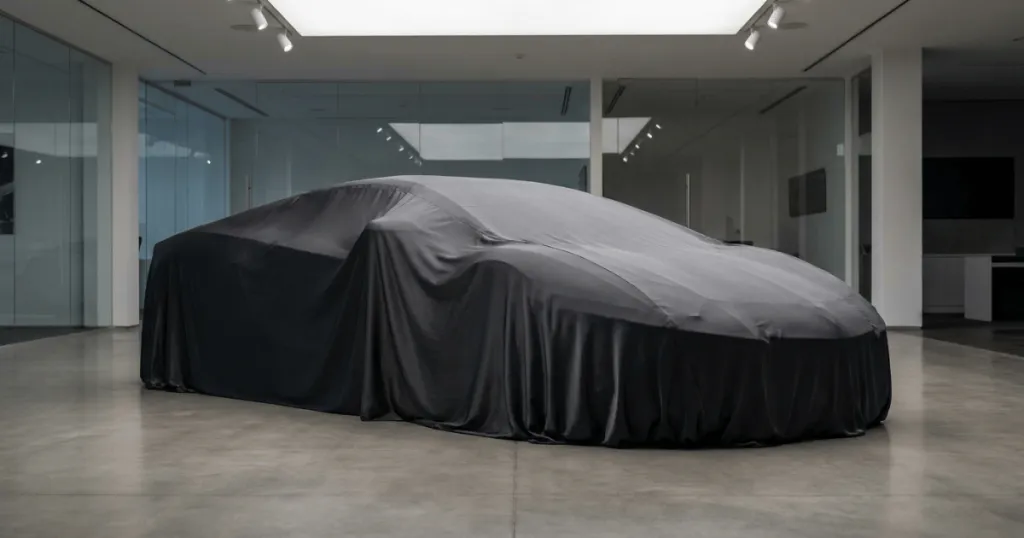
Factors Influencing Your Choice of a Supercar Cover
Selecting the right protection for a high-performance vehicle starts with identifying the primary threats to the finish. Most owners prioritize UV resistance and moisture management, but the specific environment dictates which material properties matter most.
Indoor Storage Considerations
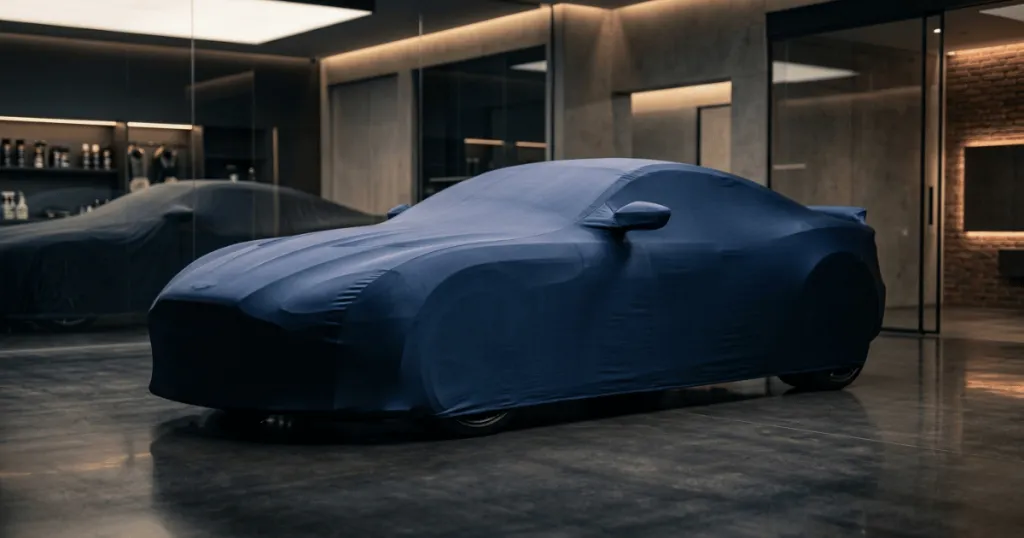
For vehicles kept in a garage, the primary goal is dust mitigation and protection against accidental bumps or scratches. A soft, non-abrasive inner lining is critical here, as even microscopic dust particles can cause swirl marks on sensitive clear coats when a cover is dragged across the surface. Breathability remains important even indoors, as it prevents the buildup of trapped humidity that can lead to mold or mildew on interior materials like leather or Alcantara.
Outdoor Storage and Environmental Exposure
Outdoor environments present a much more aggressive set of challenges. A supercar cover designed for exterior use must feature a multi-layer construction that provides high water resistance while remaining permeable enough to allow trapped vapor to escape. If moisture is trapped against the paint, it can lead to oxidation or spotting, particularly on vehicles with complex body lines or vents where water tends to pool. Look for materials that offer high tensile strength to withstand wind gusts, which can cause significant abrasion if the fit is not snug.
Real-World Context for High-Performance Vehicle Storage
The practical application of a cover depends heavily on how often the vehicle is driven and the specific climate conditions of your region. A daily driver requires a different approach than a vehicle that sits for months at a time.
Daily Driver Protection
If you use your vehicle frequently, ease of installation becomes the most important factor. A heavy, multi-layered outdoor cover can be cumbersome to remove and store every morning. In this scenario, many owners opt for a lighter, semi-custom cover that is easier to handle but still provides adequate protection against dew, light rain, and UV exposure. The key is finding a balance where the effort of covering the car does not become a deterrent to actually using it.
Long-Term Storage and Preservation
For vehicles that remain parked for extended periods, the focus shifts to total environmental isolation. A custom-fit car cover is almost mandatory here, as it minimizes the amount of air trapped beneath the fabric and prevents the cover from flapping in the wind, which can cause paint damage over time. In these cases, you should also consider using a secondary moisture-absorbing product inside the vehicle to protect the cabin environment, as the cover primarily guards the exterior shell.
Why Proper Fit and Material Selection Matter
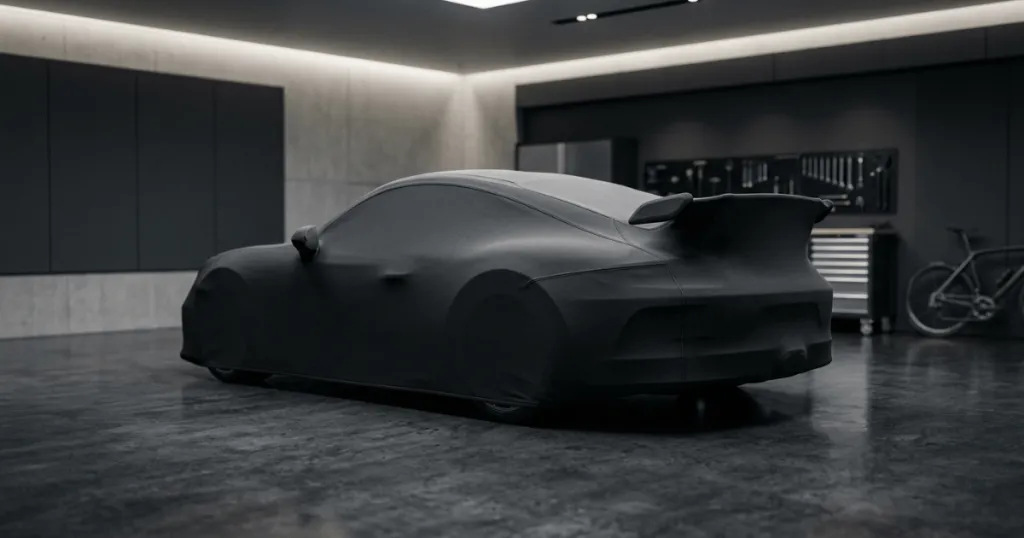
The importance of a precise fit for a supercar cover cannot be overstated. High-performance vehicles often feature spoilers, aggressive diffusers, and side-view mirrors that protrude significantly. A universal cover will inevitably leave gaps or create tight spots that put unnecessary pressure on body panels or trim pieces. A custom-fit car cover follows the exact contours of the vehicle, which ensures that the weight of the fabric is distributed evenly across the body.
Material selection is equally vital. Synthetic fabrics like polyester or specialized non-woven composites are generally preferred because they do not absorb water like natural cotton. Furthermore, these materials are often treated with UV inhibitors that prevent the fabric itself from degrading under the harsh sun. By choosing the right material, you ensure that the cover remains a protective asset rather than a source of debris or chemical residue that could mar the finish of your vehicle.
Advanced Considerations for Exotic Vehicle Protection
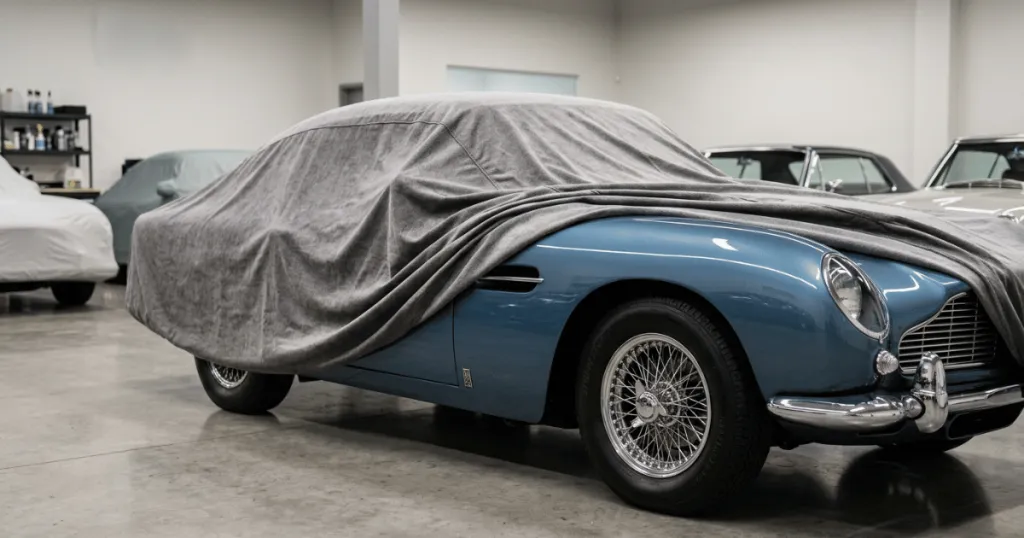
When dealing with high-end exotics, the stakes for car finish protection are significantly higher. Exotic paint jobs, including matte finishes or complex multi-stage metallic paints, require specialized care. Matte surfaces, in particular, are prone to polishing damage and cannot be buffed out like traditional clear coats. For these vehicles, the inner lining of the cover must be exceptionally soft and free of any abrasive textures. Furthermore, ensure the cover is free of any grommets or plastic fasteners that could potentially scratch the paint during high wind events.
Another technical aspect involves the thermal management of the vehicle. If you cover a car immediately after a drive, the heat radiating from the engine and exhaust components can be trapped. While modern breathable fabrics mitigate this, it is standard practice to allow the vehicle to cool down for at least twenty minutes before applying the cover. This prevents the accumulation of excessive heat that might affect the longevity of the cover material or the vehicle’s exterior trim.
Managing the Lifecycle of Your Cover
A supercar cover is a consumable item that requires maintenance to remain effective. Over time, UV exposure and environmental debris will degrade the protective properties of the fabric. Regularly inspecting the cover for signs of wear, such as thinning material or frayed seams, is necessary to ensure the vehicle remains fully protected. If you notice the cover is no longer repelling water effectively, it may be time to clean it according to the manufacturer’s instructions or consider a replacement.
Proper storage of the cover itself when not in use is also a critical habit. Never fold a wet cover and store it in a bag, as this creates a breeding ground for mold. Always allow the cover to dry completely before folding it for storage. By treating the cover as a precision tool rather than a simple tarp, you extend the life of both the protective layer and the vehicle it guards.
Common Misconceptions About Vehicle Covers
One of the most persistent myths is that a car cover will cause rust. In reality, modern, breathable covers are designed to allow moisture to evaporate, preventing the very conditions that lead to corrosion. Rust is typically a result of using a non-breathable, plastic-based tarp that traps condensation against the metal, which is why choosing a high-quality, purpose-built cover is so important.
Another common mistake is assuming that a thicker cover is always better. While thickness can imply durability, it often comes at the expense of breathability and ease of use. A cover that is too heavy can be difficult to manage, leading to improper installation or the cover being dragged across the paint. Focus instead on the material’s structural integrity and its ability to manage moisture, as these factors have a much greater impact on the long-term health of your vehicle’s exterior. When you invest in a well-engineered supercar cover, you are providing a necessary layer of defense that maintains the aesthetic and structural integrity of your high-performance asset.
FAQ
Does a supercar cover need to be custom-fit?
Yes, a custom-fit supercar cover is highly recommended. Because high-performance vehicles have unique aerodynamics, spoilers, and low ground clearance, a custom fit ensures the cover stays secure and does not create pressure points or loose fabric that can flap in the wind.
Can I use an outdoor cover for indoor storage?
While you can use an outdoor cover indoors, it is often overkill. Outdoor covers are typically heavier and less breathable than dedicated indoor covers, which are designed specifically to be soft on the paint and easy to handle in a garage setting.
How often should I clean my car cover?
You should clean your cover whenever it becomes visibly dirty or dusty. A dirty cover can act like sandpaper on your paint, so keeping the inner lining clean is essential for maintaining the finish of your vehicle.