When you manage a long-wheelbase vehicle, the primary challenge is finding a protective solution that actually fits the unique dimensions of the chassis. A limousine cover is not merely an accessory; it is a specialized piece of equipment designed to safeguard a high-value asset from environmental degradation. Because these vehicles often spend significant time in storage or parked in exposed lots, the risk of paint oxidation, moisture buildup, and finish damage is significantly higher than with standard passenger cars.
Owners often underestimate the difficulty of securing a cover over such an expansive surface area. Without a proper fit, the material will flap in the wind, causing abrasion against the clear coat, or it may leave large sections of the vehicle exposed to the elements. Understanding the specific requirements for a limousine cover ensures that you are investing in a solution that provides genuine protection rather than just a temporary barrier.
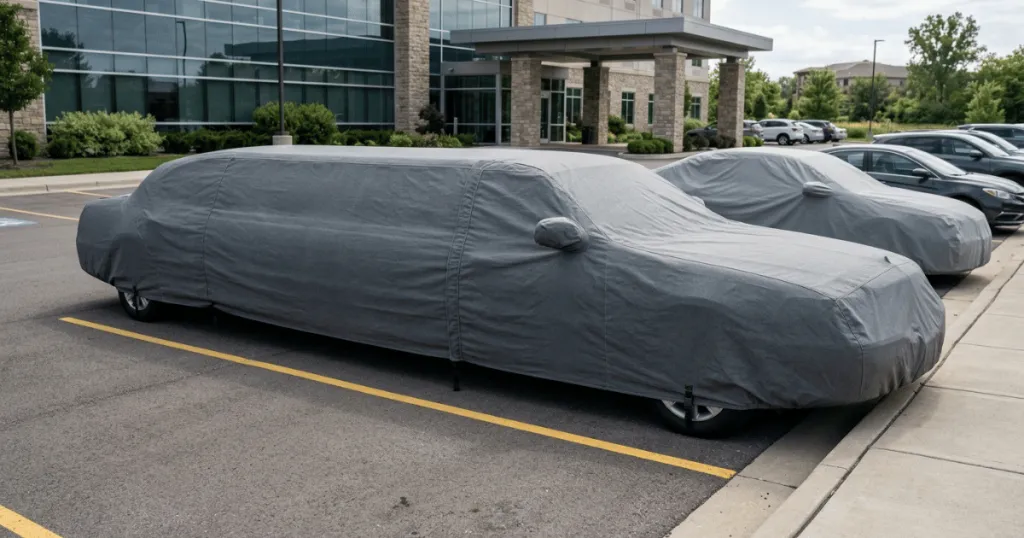
Factors Influencing Your Choice of Limousine Cover
Selecting the right protection for an extended-length vehicle requires looking beyond standard sizing. Because these vehicles have unique profiles, the factors that dictate performance are more stringent than those for a typical sedan or SUV.
Material Durability and Breathability
The material composition is the most critical factor for long-term storage. You need a fabric that balances water resistance with high breathability. If a limousine cover traps moisture against the paint, you risk developing mildew or water spots, which are difficult to remove from a large, professional-grade finish. Look for multi-layer composite fabrics that allow condensation to escape while blocking liquid water and harmful UV rays.
The Importance of Custom Fit
Universal covers are rarely suitable for a limousine. The sheer length of the vehicle means that a generic cover will likely sag in the middle or fail to reach the bumpers entirely. A custom-fit limousine cover is tailored to the specific wheelbase and roofline of your vehicle. This precision prevents the material from sagging, which reduces the likelihood of wind-whipping and ensures that the entire paint surface remains covered during storage.
Securing Mechanisms for Large Profiles
Because of the large surface area, these covers act like a sail in high winds. A robust tie-down system is mandatory. Look for reinforced grommets and heavy-duty straps that allow you to secure the cover under the chassis. In practice, this means the cover stays taut even during gusts, preventing the fabric from rubbing against the paint and causing micro-scratches over time.
Real-World Context for Long-Wheelbase Storage
Managing the storage of a limousine requires a different mindset than daily driving. Whether you are dealing with a classic stretch model or a modern luxury transport, the environment dictates the level of protection required.
Indoor Storage Considerations
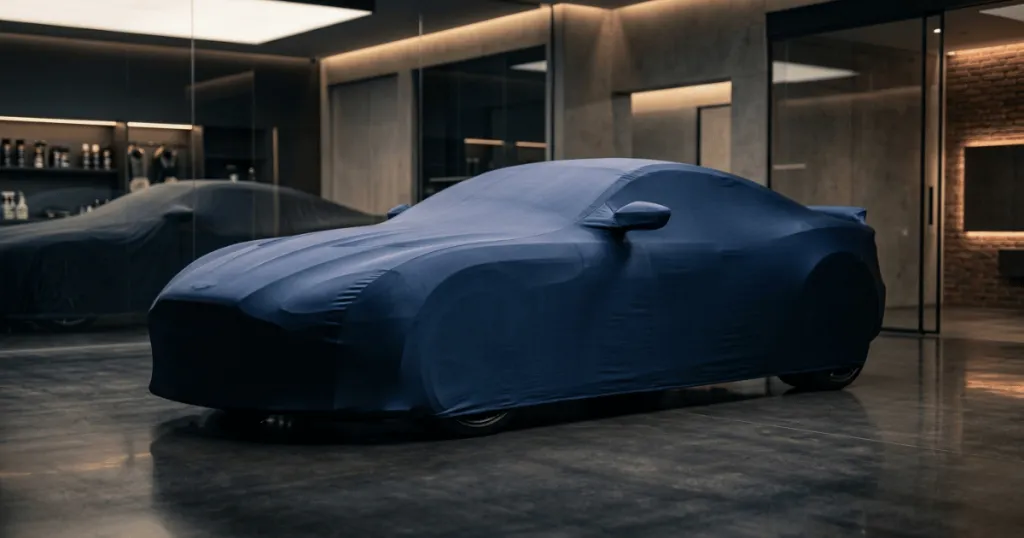
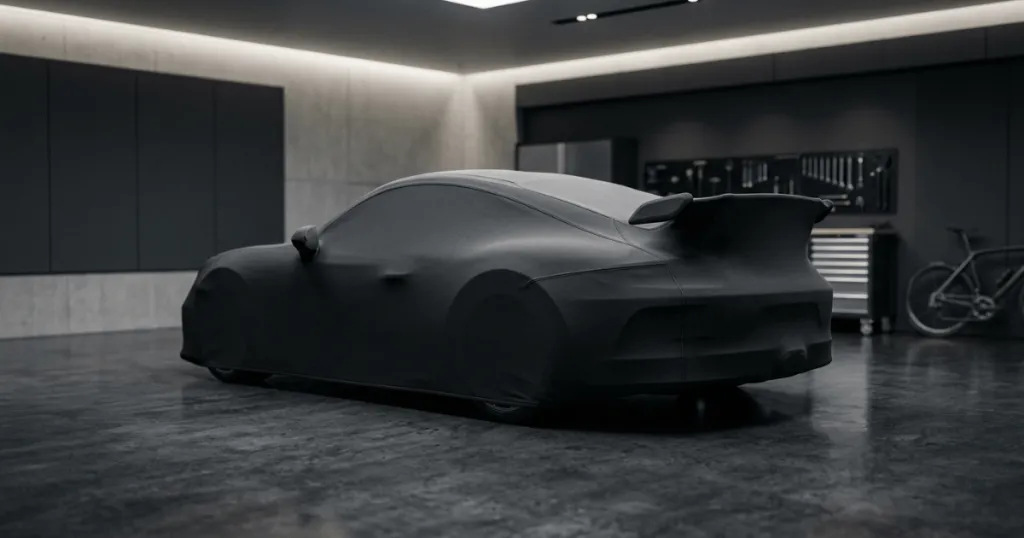
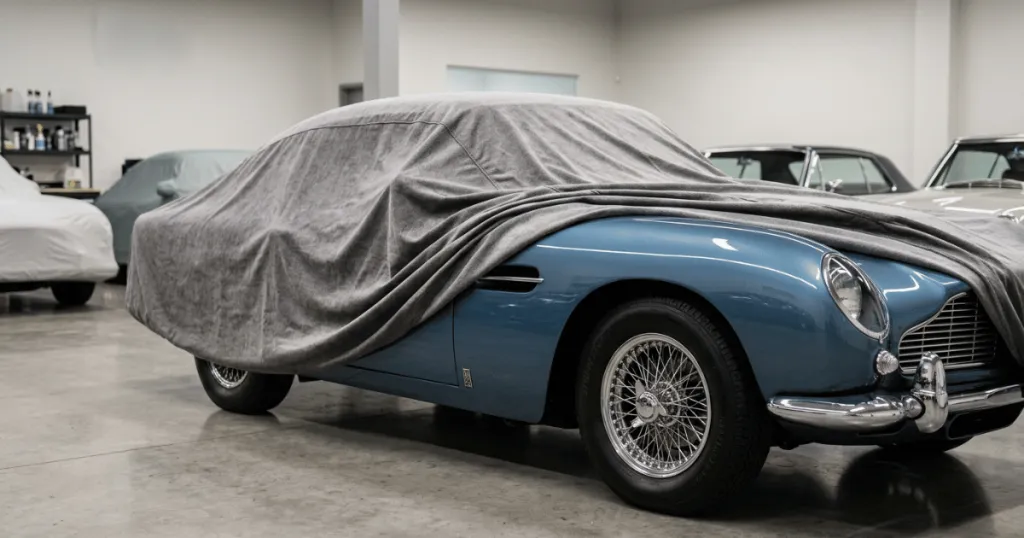
If your vehicle is stored in a climate-controlled garage, the goal is primarily dust and scratch prevention. In this scenario, a soft, breathable cotton or flannel-lined cover is ideal. These materials are gentle on the paint and prevent the accumulation of fine dust particles that can settle into the clear coat during long periods of inactivity. You do not need heavy-duty weatherproofing here, so prioritize fabric softness and ease of handling.
Outdoor Exposure and Climate Challenges
Outdoor storage presents a much higher risk profile. Constant exposure to sunlight, rain, and bird droppings requires a more rugged approach. A high-quality limousine cover for outdoor use should feature UV-resistant coatings to prevent paint fading and cracking. If you live in an area with frequent rain or snow, ensure the seams are heat-sealed or double-stitched to prevent water ingress. Always check that the cover is rated for the specific climate conditions of your region.
Why Proper Coverage Matters for Luxury Vehicles
The investment in a high-quality limousine cover is fundamentally about preserving the resale value and aesthetic appeal of the vehicle. These vehicles represent a significant financial commitment, and the exterior finish is a major component of that value. When the paint is compromised by sun damage or environmental contaminants, the cost of professional detailing or repainting is substantial.
Beyond the financial aspect, a clean and well-maintained exterior reflects the professional nature of the vehicle. Whether it is used for private events or commercial transport, the appearance of the car is the first thing clients notice. Using a cover consistently reduces the frequency of heavy washing and polishing, which in turn extends the life of the wax and sealant layers. By keeping the vehicle shielded, you simplify your maintenance routine and ensure the car is ready for service at a moment’s notice.
Common Misconceptions About Vehicle Covers
One common mistake is the belief that any cover is better than no cover. In reality, a low-quality or ill-fitting cover can cause more damage than exposure to the elements. If the material is abrasive or non-breathable, it can trap heat and moisture, leading to paint damage that is often worse than the effects of dust or light rain. Always prioritize quality materials over price points.
Another misconception is that covers are only for long-term storage. While they are essential for long-term protection, they are also useful for daily protection in high-traffic environments. If your vehicle is parked in a location with debris or bird activity, a cover acts as a sacrificial layer that takes the brunt of the environmental impact. Properly managing your limousine cover by keeping it clean and ensuring it is applied to a clean surface will maximize its effectiveness over the life of the vehicle.
Logistical Challenges of Large-Scale Vehicle Protection
Handling a cover for a vehicle that spans twenty feet or more is a physical task that requires planning. Unlike a standard sedan, a limousine cover is heavy and bulky when folded. Owners should consider the storage of the cover itself when it is not in use. Using a dedicated storage bag helps keep the fabric clean and free of debris that could scratch the paint upon the next installation. Many owners find that a two-person installation process is the most efficient way to manage the weight and ensure the cover is centered correctly.
Furthermore, the placement of antennas, side-view mirrors, and custom trim pieces on a stretch vehicle can create stress points on the fabric. A custom-fit solution accounts for these protrusions with tailored pockets or reinforced areas. If you are using a cover for a commercial fleet, consider the frequency of use. A cover that is easy to deploy and remove will be used more consistently, whereas a cumbersome, poorly designed cover will likely be left in the trunk, leaving the vehicle vulnerable to the elements.
Evaluating Environmental Impact on Long-Wheelbase Finishes
The sheer surface area of a limousine makes it a magnet for environmental contaminants. Industrial fallout, tree sap, and acidic rain can settle across the roof and hood, leading to etching in the clear coat. Because these vehicles are often kept in pristine condition for high-end clientele, even minor surface imperfections can be problematic. A high-performance limousine cover acts as a physical shield against these airborne pollutants. By preventing direct contact between the contaminants and the paint, you reduce the need for aggressive clay-bar treatments or machine polishing, which can thin the clear coat over time.
Temperature regulation is another often overlooked benefit. In hot climates, a reflective, light-colored cover can significantly reduce the interior cabin temperature of a limousine. This protects the leather upholstery, dashboard materials, and electronic components from the damaging effects of prolonged heat exposure. While the primary goal is exterior paint protection, the secondary benefit of interior preservation is a significant advantage for owners of luxury transport vehicles.
FAQ
Can I use a standard car cover for a limousine?
No, a standard car cover will not fit a limousine. The extreme length and unique roofline of a limousine require a custom-fit limousine cover to ensure full coverage and prevent the material from flapping or sagging, which can cause paint damage.
How do I secure a large cover in windy conditions?
Use a cover equipped with heavy-duty, adjustable tie-down straps that secure under the vehicle. A custom-fit limousine cover will also have a more precise shape, which naturally reduces the surface area that can catch the wind compared to a loose-fitting universal cover.
What material is best for indoor limousine storage?
For indoor storage, choose a soft, breathable fabric like cotton or a high-quality synthetic blend with a soft inner liner. These materials protect the finish from dust and minor scratches without trapping moisture, which is the primary concern in a garage environment.