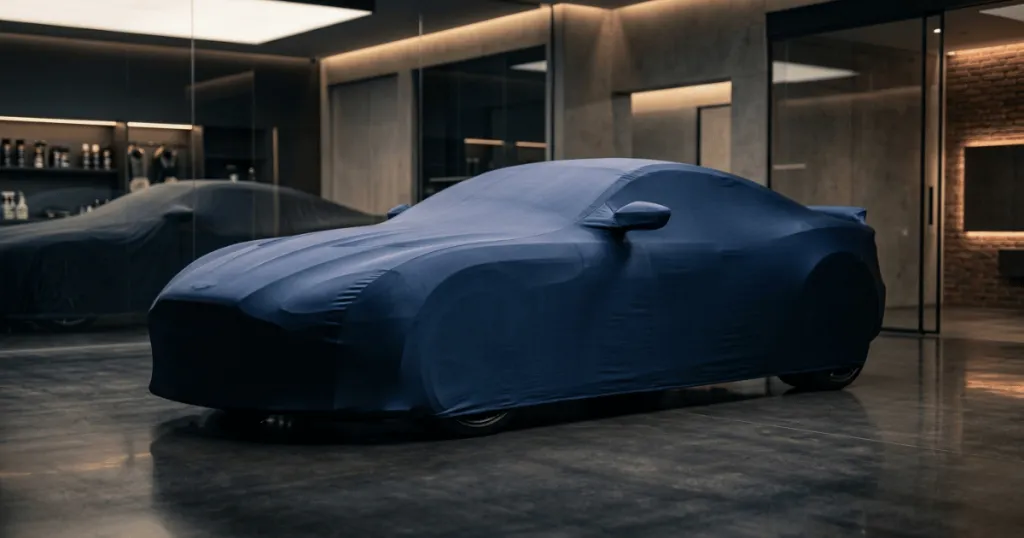
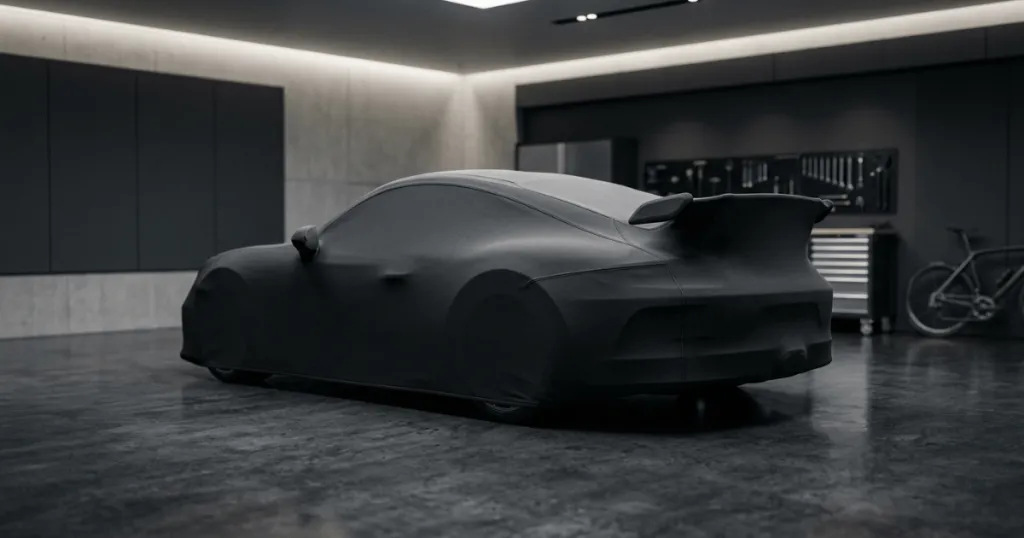
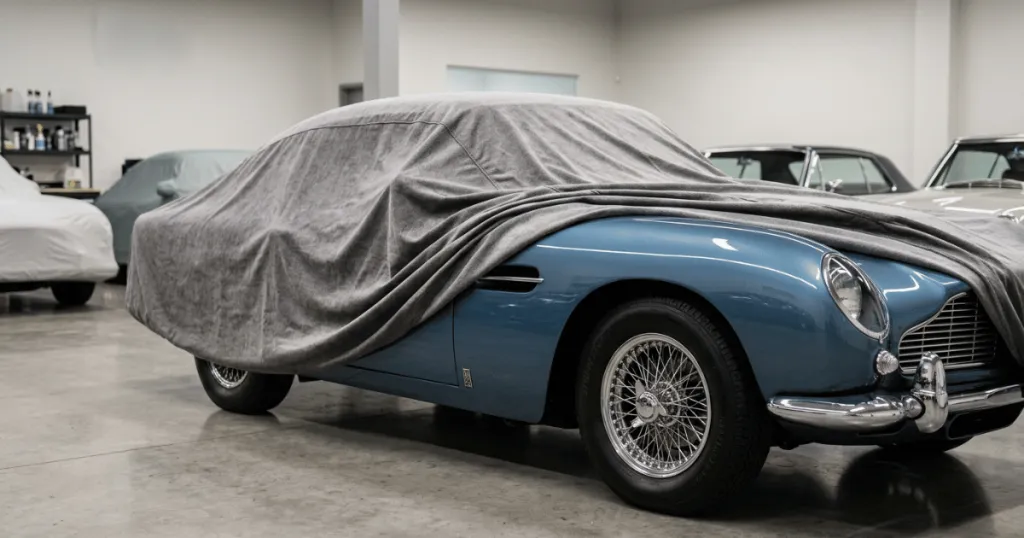
Selecting a reliable jeep cover is one of the most effective ways to preserve the exterior finish and interior condition of your vehicle, especially when it remains parked for extended periods. Whether you drive a classic model or a modern daily driver, the right cover acts as a primary barrier against environmental hazards like intense UV rays, heavy precipitation, and airborne debris. Because these vehicles often feature unique shapes, such as exposed hinges or oversized tires, finding a solution that balances coverage with ease of use is essential for long-term vehicle health.
Many owners overlook the importance of material selection, assuming that any heavy fabric will suffice. However, the specific climate in your region and your storage environment dictate whether you need a breathable, lightweight layer or a heavy-duty, weather-resistant shield. By understanding the intersection of vehicle geometry and environmental exposure, you can make a more informed decision that protects your investment without creating unnecessary maintenance headaches.
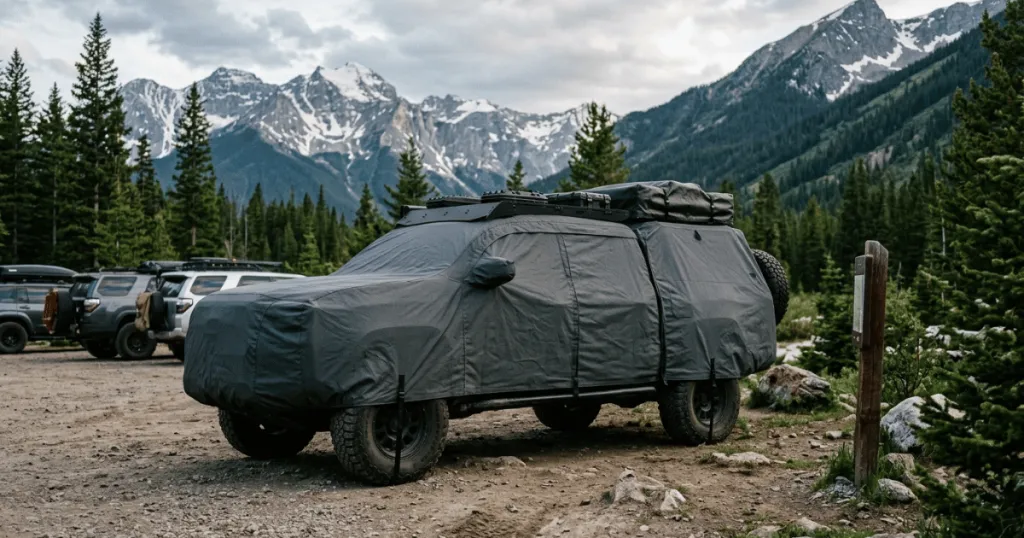
Factors to Consider When Selecting a Jeep Cover
The effectiveness of your protection strategy depends on how well the cover matches your specific storage situation. A cover intended for a garage-kept vehicle will fail quickly if used outdoors, while an outdoor-rated cover might be unnecessarily bulky for indoor use. Prioritizing the following factors will help you narrow down the options.
Climate and Weather Exposure
If you live in a region with high humidity or frequent rainfall, moisture management is your top priority. A quality jeep cover for these conditions must be breathable, allowing trapped condensation to escape before it can cause rust or mold on the vehicle frame. In contrast, if you live in a desert climate, UV protection becomes the primary concern. Look for fabrics treated to resist fading and degradation from constant sunlight, as standard materials will quickly become brittle and tear under extreme heat.
Storage Environment
Indoor storage requires a soft, non-abrasive fabric that prevents dust accumulation without trapping heat. Since indoor environments are generally climate-controlled, you do not need the heavy-duty waterproof coatings that add weight and stiffness to outdoor covers. For outdoor storage, you need a multi-layer construction that provides a balance of water resistance and airflow. Ensure the material is durable enough to withstand wind gusts without flapping excessively, which can cause micro-scratches on your paint over time.
Vehicle Fit and Geometry
Jeeps present unique challenges due to their boxy shapes, external door hinges, and often oversized spare tires. A universal cover may leave gaps that allow wind to catch the fabric, leading to premature wear at the stress points. A custom or semi-custom fit is generally superior because it contours to the specific dimensions of your vehicle, including the mirrors and antenna. Proper fit ensures the cover stays secure during high winds and provides consistent coverage across the entire body panel surface.
Real-World Context for Jeep Owners
In practice, the utility of a cover is often dictated by how easily it can be installed and removed. If a cover is too heavy or difficult to fold, it will eventually sit in the garage unused. For daily drivers, consider a lightweight, easy-to-store material that you can manage in under two minutes. For long-term storage or winterization, a heavier, more robust material is worth the extra effort during setup.
Managing Moisture and Condensation
One of the most common mistakes is leaving a cover on a damp vehicle for too long. If you wash your Jeep or drive through a storm, ensure the exterior is dry before applying the cover. If you must cover a wet vehicle, choose a highly breathable material that facilitates evaporation. Trapped moisture is the enemy of metal components and interior electronics, so prioritize ventilation over absolute waterproofing if you live in a damp area.
Securing Your Cover in Windy Conditions
Wind is the primary cause of cover damage. Even a high-quality jeep cover can be shredded if it is not properly secured. Use integrated grommets or tie-down straps to anchor the cover to the undercarriage. If your parking area is prone to high gusts, consider adding weighted bags or additional bungee cords to prevent the cover from billowing. This prevents the fabric from acting like a sail, which protects both the cover and your vehicle paint.
Why Proper Protection Matters
A vehicle is a significant investment, and the exterior finish is often the first thing to show signs of neglect. UV radiation is particularly aggressive, causing clear coat failure and cracking of plastic trim pieces over time. By using a cover, you effectively pause the aging process caused by sun exposure. This is especially relevant for owners who keep their vehicles parked in the same spot for weeks at a time, as consistent sun exposure on one side of the vehicle can lead to uneven fading.
Beyond paint protection, a cover keeps the interior cooler during hot summer months. By reflecting sunlight, the cover prevents the dashboard and seats from reaching extreme temperatures, which helps preserve the integrity of the materials. This also reduces the strain on your air conditioning system when you finally start the vehicle, as the cabin starts at a lower baseline temperature. Ultimately, using a jeep cover is a proactive maintenance step that pays dividends in vehicle longevity and resale value.
Common Misconceptions About Vehicle Covers
Many owners believe that a cover is a set-it-and-forget-it solution. In reality, a cover requires periodic maintenance to remain effective. Dirt and debris can accumulate on the surface, and if not cleaned, this grit can be ground into the paint during installation or removal. Periodically rinsing the cover with a hose and letting it air dry is essential to prevent this abrasive buildup.
Another misconception is that thicker is always better. While heavy-duty materials offer more impact protection against falling branches or hail, they are often less breathable and harder to handle. For most users, a medium-weight, high-quality fabric that offers a balance of protection and breathability is the better choice. Do not assume that a heavy, rubberized cover is the best option for every situation, as it may actually cause more harm than good in humid climates by trapping moisture against the body panels.
Finally, remember that the goal of a jeep cover is to provide a protective layer that fits your specific usage pattern. By focusing on the right material for your local climate and ensuring a secure fit, you can keep your vehicle in excellent condition for years to come.
Advanced Considerations for Specialized Jeep Configurations
Owners of modified Jeeps often face specific hurdles when selecting a protective cover. If you have installed a lift kit or larger off-road tires, a standard fit will likely pull tight at the wheel wells, creating tension that can rip seams. Seek out manufacturers that offer specific patterns for lifted vehicles, as these provide extra fabric in the lower sections to account for the increased ride height.
Similarly, if you frequently run your Jeep without doors or a top, you must ensure the cover has a robust interior lining. A soft, fleece-like inner layer is crucial here, as it prevents the cover material from rubbing directly against the exposed roll bars or interior upholstery, which could lead to premature wear or discoloration.
For those who use their Jeep for overlanding or frequent trail excursions, the cover serves a different purpose. In these scenarios, the cover is often used at a base camp or during extended storage between trips. Portability becomes a major factor. Look for covers that come with a dedicated storage bag and are made from materials that can be folded compactly.
While you might sacrifice some of the heavy-duty weather protection found in stationary covers, the gain in convenience ensures you will actually use the cover when you are away from home. Always check the weight of the fabric, as lighter materials are easier to handle in windy conditions when you are solo.
The Role of Fabric Technology in Modern Covers
The evolution of synthetic textiles has changed how we approach vehicle protection. Modern covers often utilize multi-layer composite fabrics that layer different properties together. For example, an outer layer might be treated with a hydrophobic coating to repel water, while a middle layer acts as a filtration barrier against fine dust and pollutants. The innermost layer is typically designed for softness to protect the clear coat. Understanding these layers helps you identify the right product for your specific needs.
If you live in an area with high pollen counts, a cover with a tight weave is essential to prevent microscopic particles from settling into the paint surface. Conversely, if you live in a coastal area, look for materials that are specifically rated for salt air resistance, as salt spray can be highly corrosive to exposed metal parts and paint finishes over time.
Maintenance of these high-tech fabrics is equally important. Avoid using standard household soaps, as they can strip away the water-repellent treatments applied during manufacturing. Instead, use mild cleaners recommended by the cover manufacturer. If you notice the cover is no longer shedding water effectively, it may be time to apply a fabric-safe re-waterproofing spray. This simple step can extend the life of your cover by several years, ensuring that your investment continues to provide the necessary protection against the elements.
FAQ
Can I use a jeep cover on a vehicle with aftermarket modifications?
Yes, but you should look for semi-custom or custom options. If you have oversized tires, a lift kit, or an aftermarket roof rack, a standard universal jeep cover will likely be too small. Custom covers can be tailored to accommodate these specific dimensions.
How often should I clean my car cover?
You should clean your jeep cover whenever you notice a buildup of dust, pollen, or road grime. A simple rinse with water and a soft brush is usually sufficient. Avoid using harsh detergents or machine washing unless the manufacturer explicitly states it is safe, as this can degrade the protective coatings.
Is it safe to put a cover on a dirty vehicle?
It is generally not recommended. Placing a cover over a dirty vehicle can trap grit and dust against the paint, which acts like sandpaper when the wind causes the cover to shift. If you must cover a dirty vehicle, try to at least rinse off the heavy debris first.