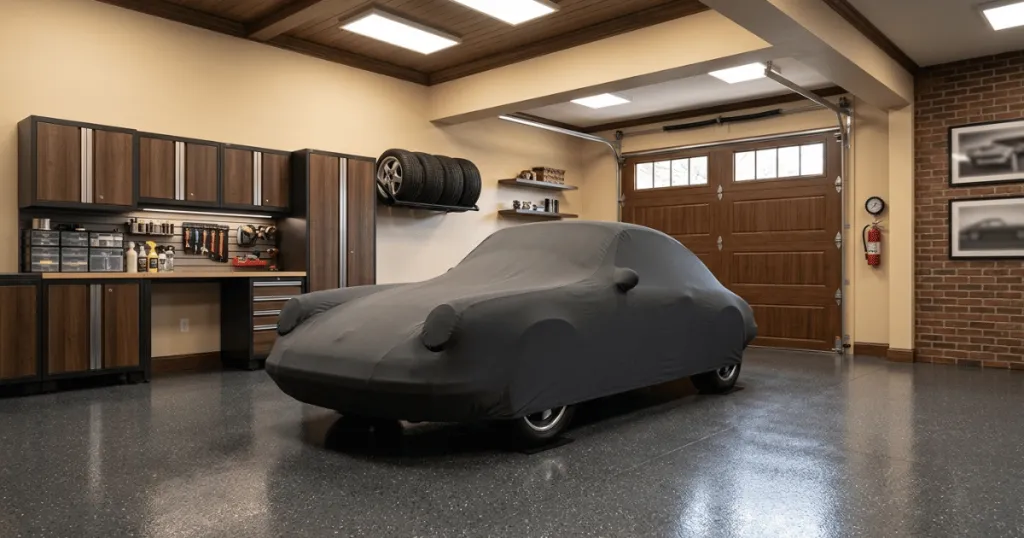
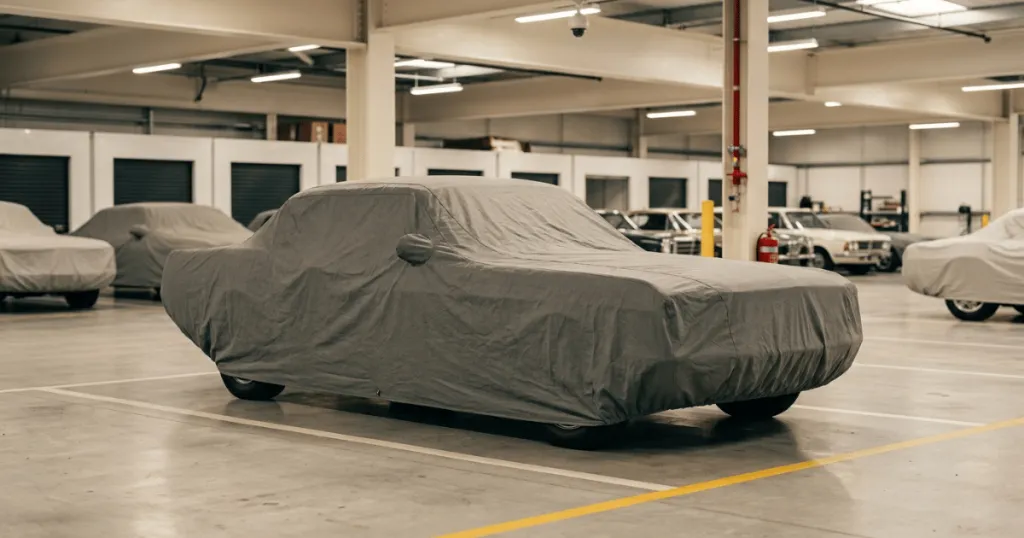
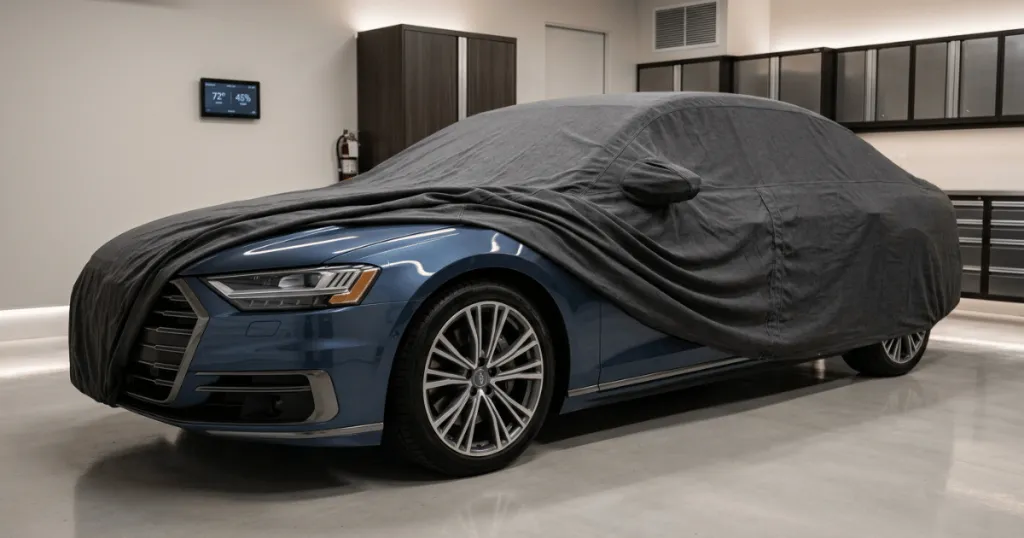
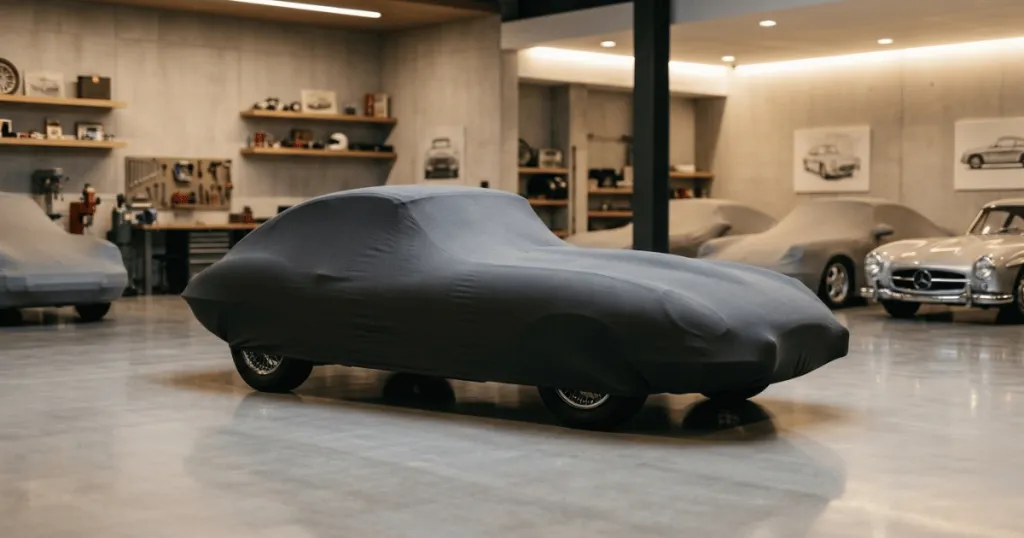
Vehicle owners often assume that parking a car inside a secure structure entirely removes the need for physical barriers, but reality proves otherwise. Dust settles continuously, abrasive airborne particles drift through opening doors, and accidental bumps from foot traffic, garage doors, or tools pose a constant risk to high-value paint finishes. A showroom car cover bridges the gap between passive indoor parking and active cosmetic preservation, offering a refined barrier designed specifically for controlled environments rather than harsh weather. Selecting the right indoor textile safeguards your collector vehicle from avoidable micro-scratches and maintains its aesthetic integrity over years of static display.
Understanding the distinct purpose of indoor protective gear prevents the common mistake of deploying heavy, waterproof outdoor shells in climate-controlled spaces. This comprehensive guide explores the physical characteristics, material choices, and practical considerations that define a proper showroom car cover investment, ensuring your automobile remains in pristine condition.
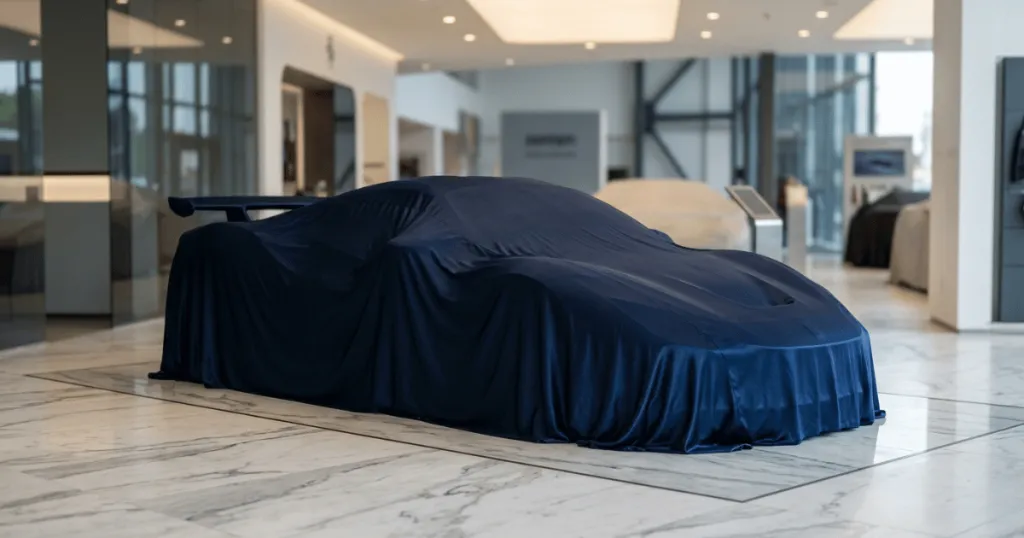
Defining the Purpose of a Showroom Car Cover
A showroom car cover is engineered specifically for indoor environments, museum displays, and private collections where weatherproofing is secondary to gentle paint defense and visual presentation. Unlike multi-layer outdoor covers designed to repel heavy rain, intense UV rays, and tree sap, indoor covers prioritize extreme breathability and ultra-soft inner linings. The primary goal is keeping microscopic dust, lint, and fingerprints off polished clear coats while maintaining an immaculate silhouette that highlights the vehicle’s design lines.
Many vehicle owners mistakenly wrap their indoor collector cars in heavy-duty canvas or thick vinyl tarps borrowed from outdoor use. This creates a severe microclimate trap, preventing residual moisture from evaporating naturally and potentially dulling delicate lacquer or modern clear coat finishes. A specialized indoor cover utilizes lightweight weaves that allow continuous air exchange, ensuring that humidity changes inside a garage do not become trapped against the metal body panels. When evaluating an indoor car cover, prioritize fabrics that drop softly over contours without generating static electricity or friction against sensitive clear coat defense layers.
Key Factors in Selecting Indoor Vehicle Protection
Choosing the right textile requires looking past mere aesthetics and evaluating how the fabric interacts with automotive paint over extended periods. Material composition dictates both the tactile feel against the finish and the overall weight resting on high-gloss surfaces. Every garage presents a unique set of challenges regarding particulate matter and environmental exposure, making fabric selection a vital engineering decision.
Satin Stretch and Form-Fitting Weaves
Modern display covers frequently incorporate spandex or elastane blends to create a snug, contour-hugging fit that mimics a tailored suit. This tight draping eliminates loose fabric flaps that could flutter or scratch the bodywork during minor air drafts inside a garage or exhibition hall. The silky exterior provides a luxurious visual presentation while the underside remains exceptionally gentle on freshly waxed paint. A quality stretch satin car cover hugs wheel arches, side mirrors, and complex bumper geometries tightly, preventing any loose material from catching on clothing or equipment when walking past the vehicle.
Flannel-Lined Woven Cotton
Traditional multi-blend cotton materials offer a classic approach to indoor storage, often featuring a brushed flannel backing that traps floating dust particles within the nap rather than letting them scratch the vehicle. These covers have significant weight, which keeps them securely draped without requiring heavy tie-down straps or underbody cables that might scuff lower rocker panels or alloy wheels. The natural fibers offer an outstanding condensation barrier, naturally absorbing minor humidity shifts and allowing that moisture to dissipate harmlessly into the ambient air of the garage environment.
Dust-Repellent Microfiber Fabrics
High-tech synthetic microfibers provide superior defense against microscopic drywall dust and fine particulate matter commonly found in residential garages. These advanced textiles rely on tight mechanical weaves rather than chemical treatments to block tiny particles, ensuring no residue transfers onto sensitive chrome trim, glass, or rubber window seals over months of static storage. Utilizing a microfiber weave ensures that even the finest abrasive particles generated by home improvement projects or workshop tools remain suspended in the fabric rather than settling onto your collector vehicle.
Real-World Scenarios and Storage Contexts
Different indoor settings demand distinct approaches to vehicle preservation. A home garage shared with household storage requires a different defense level than a dedicated museum floor or a secure collector warehouse.
Home Garage and Active Workshop Sharing
When a vehicle shares garage space with woodworking tools, lawn equipment, or general household storage, airborne debris increases exponentially. Sawdust, metal shavings, and foot traffic create constant hazards for pristine paint. In this environment, a heavier woven cotton or a tightly textured showroom car cover acts as a robust physical shield against accidental impacts and flying particulate matter. Furthermore, vehicle detailing routines depend heavily on keeping the paint clean between drives, and a reliable barrier eliminates the need for constant washing and polishing before weekend outings.
Long-Term Climate-Controlled Museum Storage
Vehicles kept in sterile, climate-controlled environments face a different primary enemy, which is static dust accumulation and curious visitors. Here, a lightweight satin stretch cover excels by offering minimal bulk while completely shielding the vehicle from airborne contaminants. The focus shifts entirely toward maintaining visual elegance and preventing minor surface abrasions from casual contact. In these curated spaces, long term storage demands textiles that respect the delicate nature of vintage lacquer and restored metalwork without introducing chemical plasticizers or abrasive fibers.
Why Proper Indoor Fit Matters
Fit is critical for indoor storage because loose, ill-fitting material creates friction points whenever ambient air currents move through the building. A custom-patterned shield follows every contour of the specific make and model, including mirrors, spoilers, and bumpers. This precision prevents sagging areas that can pool dust or rub against sharp body creases over time.
Using a universal indoor cover on a specialized sports car often leads to excessive fabric bunching and insecure draping. In practice, a custom-tailored showroom car cover stays firmly in place without requiring aggressive securing straps, reducing the risk of hardware scratching the paintwork during installation or removal. A custom fit cover ensures that the vehicle silhouette remains clean and recognizable even while fully protected, enhancing the aesthetic appeal of a garage or showroom floor.
Common Misconceptions About Indoor Car Covers
A widespread myth suggests that any old bed sheet or heavy blanket works just as well as a dedicated automotive cover for indoor use. Household linens often shed cotton fibers, absorb ambient humidity, and lack the breathability required to safely cover an automobile for months at a time.
Another frequent misunderstanding involves the assumption that indoor covers require waterproof membranes. Because indoor storage protects the vehicle from direct precipitation, waterproof layers are entirely unnecessary and actively harmful due to their tendency to trap condensation and inhibit natural evaporation. Real automotive preservation requires understanding that indoor humidity fluctuations are best handled by breathable fabrics rather than impermeable plastic barriers.
Conclusion and Practical Next Steps
Selecting the ideal showroom car cover involves balancing fabric softness, dust-blocking capability, and exact vehicle dimensions to ensure pristine paint preservation during indoor storage. Avoid the temptation to repurpose heavy outdoor tarps or household textiles that compromise breathability and risk surface abrasion. Evaluate your specific garage environment, note whether the car faces foot traffic or workshop debris, and invest in a tailored indoor solution that respects the unique finish of your vehicle.
FAQ
Can I use an outdoor car cover inside my garage?
Using an outdoor cover indoors is generally discouraged because waterproof membranes trap ambient moisture and humidity against the vehicle paint, inhibiting natural evaporation.
How often should I wash an indoor vehicle cover?
An indoor cover should be washed every few months or whenever visible dust accumulates, using a commercial washing machine without fabric softeners to maintain breathability.
Do I need tie-down straps for indoor storage?
Tie-down straps are typically unnecessary for a showroom car cover used indoors, as the absence of wind allows custom-fitted or weighted hems to keep the cover securely in place.