Choosing the Best Muscle Car Cover for Vintage and Modern Performance Vehicles
Discover how to choose the right muscle car cover for indoor storage or outdoor weather...
You pull into the driveway after a long week, throw a cover over your sedan, and call it done. But your neighbor across the street owns a lifted truck that sits six inches higher than anything in your garage, and the cover you just used wouldn't even reach past his wheel wells. Down the block, someone parks a two-seat convertible with a soft top that needs a completely different kind of protection than either of your vehicles. The point is simple: the type of vehicle you drive changes everything about how you should cover it.
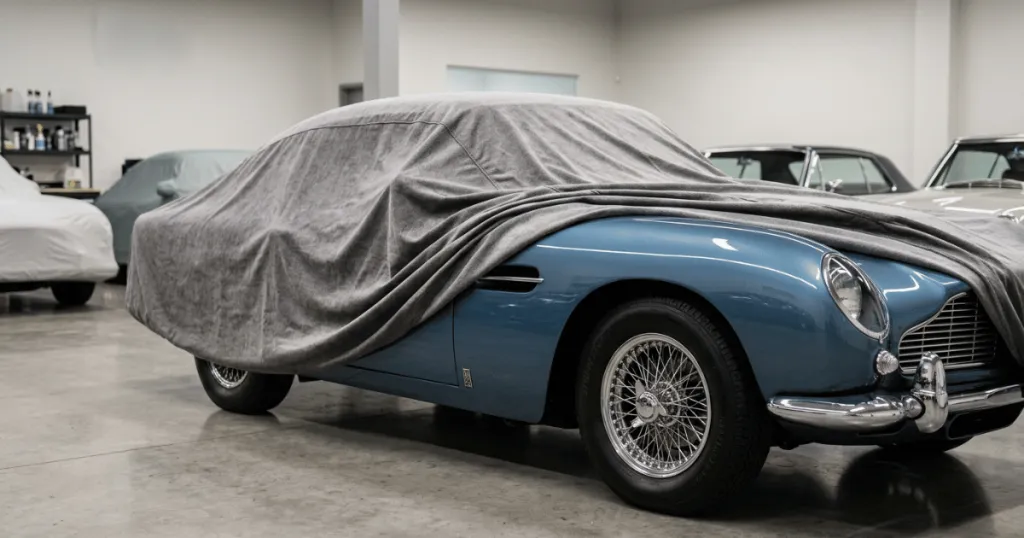
This is where thinking about car covers by vehicle-type usage becomes more than a nice idea. It becomes the difference between a cover that protects and one that flaps around loosely, trapping moisture against the paint or leaving half the bumper exposed. A compact hatchback, a full-size SUV, a classic coupe, and a work truck all carry different rooflines, ground clearances, antenna placements, and mirror profiles. A universal cover stretched across a minivan will never hug the body the way a semi-custom or custom-fit option will, and that loose fabric invites wind damage, scratching, and pooling water that defeats the whole purpose of covering the vehicle in the first place.
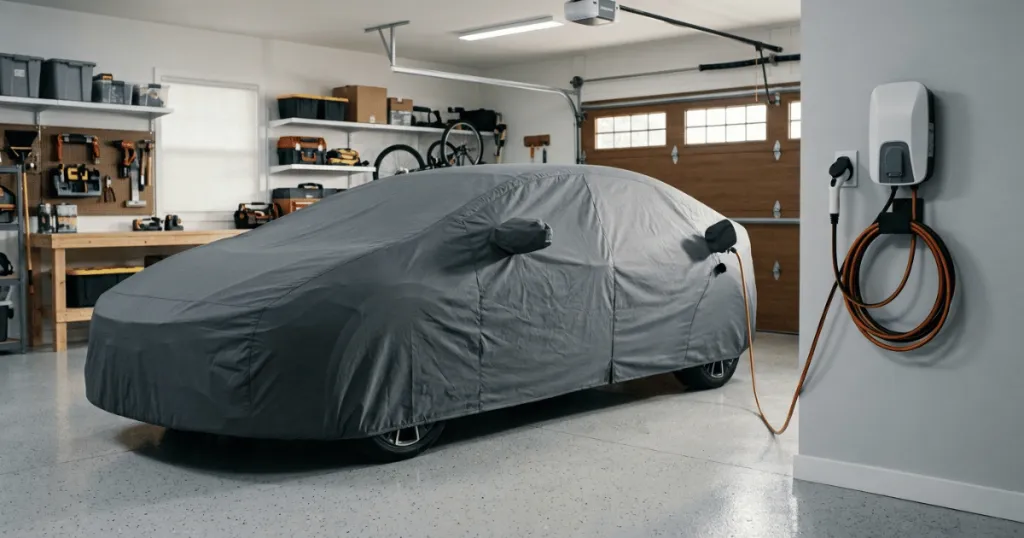
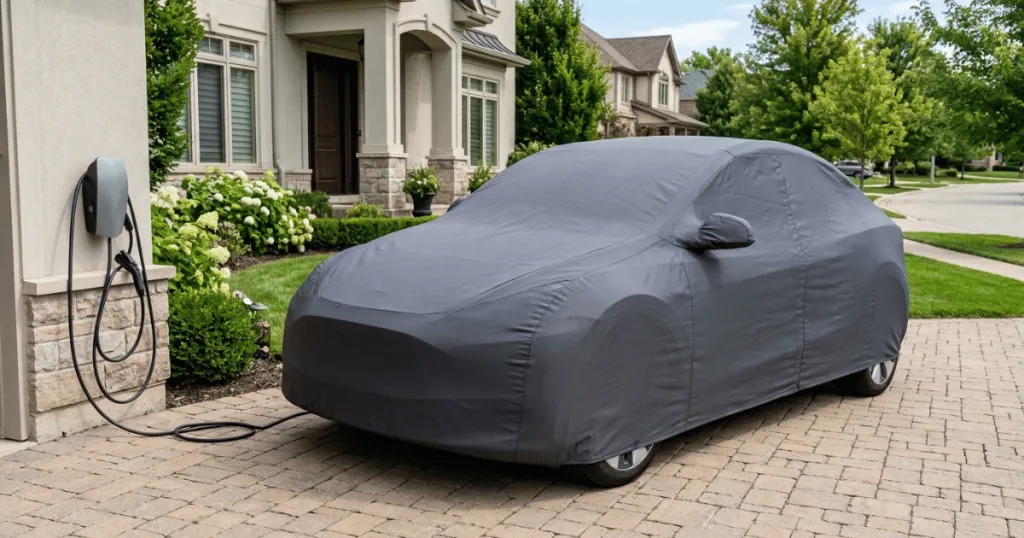
Within the broader Usage Guide section of CarCoverly, this sub-category zeroes in on how your specific vehicle type should shape every purchasing decision. Not just length and width measurements, but the real-world scenarios that come with each class of vehicle. Truck owners deal with bed lengths, cab configurations, and tonneau cover clearance. Sports car owners worry about low-profile spoilers and wide rear fenders that standard covers bunch up around. Convertible owners need breathable inner linings that won't scuff soft tops. And if you drive an EV or a plug-in hybrid, you might need a cover with a charging port access flap, something that barely existed five years ago.
Car covers by vehicle-type usage also intersect with how and where you park. A Jeep Wrangler that sits on a gravel trail every weekend has entirely different exposure than a luxury sedan garaged five days a week and only parked outdoors at the office. The cover material, the fit system (elastic hems, tie-down grommets, mirror pockets, or cable-and-lock setups), and even the storage bag dimensions all shift depending on whether you drive a crossover, a wagon, a full-size pickup, or a vintage roadster. Getting this match right means your cover actually does its job instead of becoming an expensive piece of fabric you stop using after two weeks because it never fit properly to begin with.