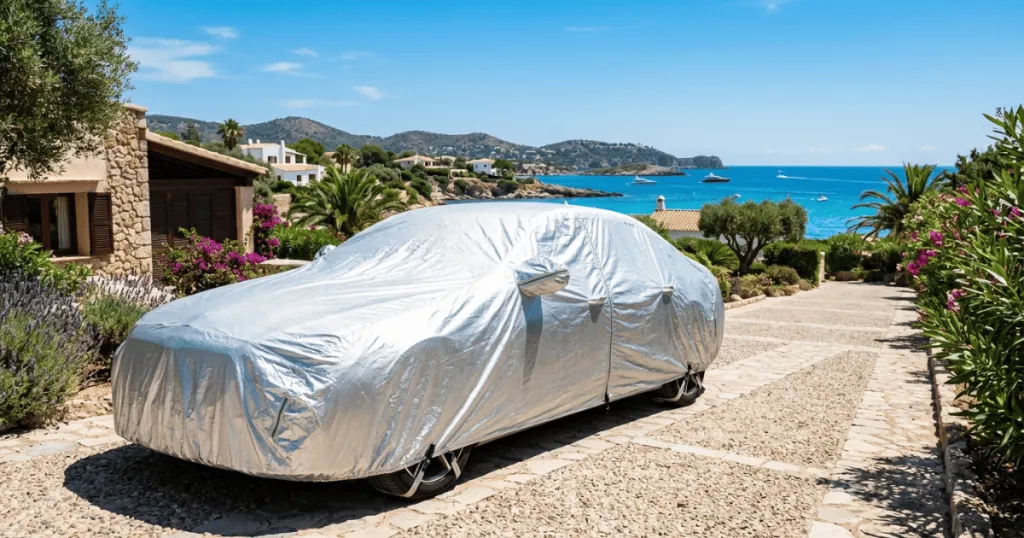
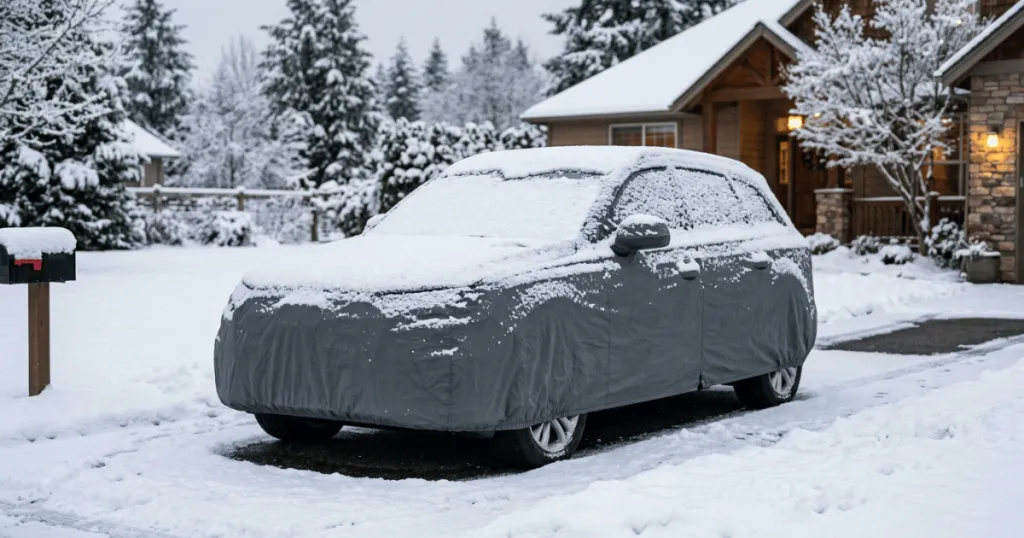
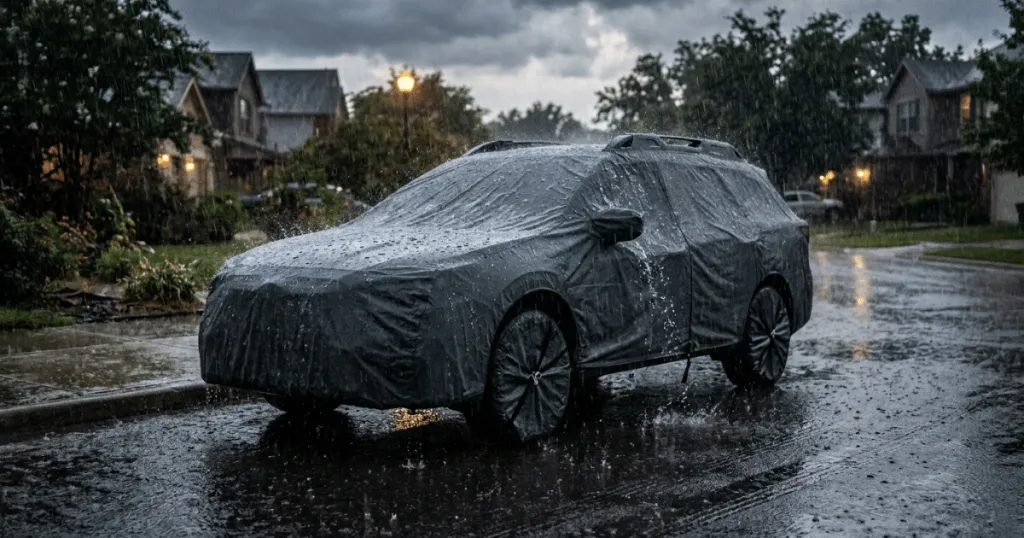
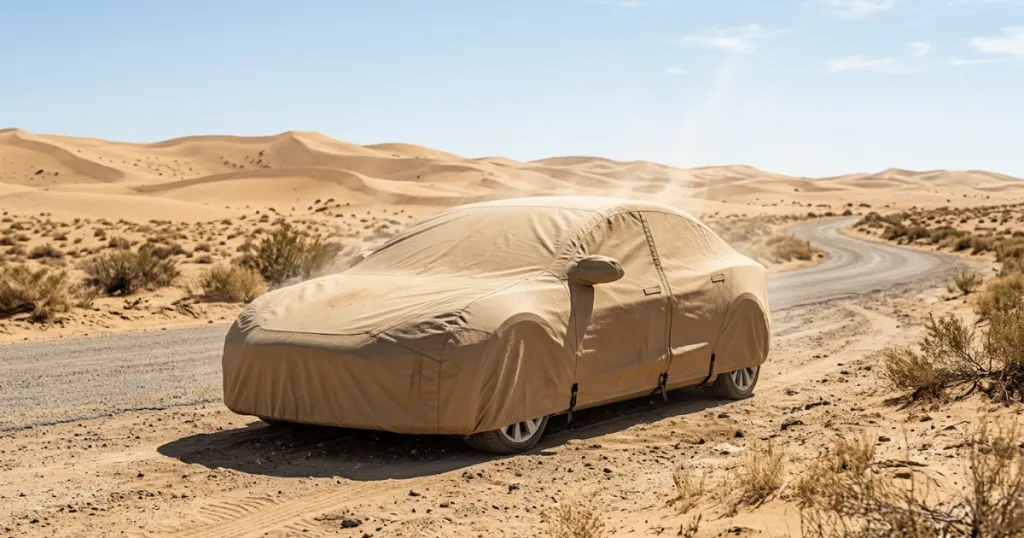
When severe weather approaches, understanding the aerodynamic behavior of parked vehicles helps clarify why standard parking habits fail during major tropical systems. A vehicle parked outdoors is subjected to extreme atmospheric forces that transform ordinary accessories into potential hazards if they are not specifically chosen and anchored for severe weather vehicle storage. Masterful hurricane car cover prep relies on recognizing that fabric performance under extreme stress is entirely different from everyday dust shielding, requiring deliberate decisions regarding material weight, tension, and structural stability.
Preparing a vehicle for extreme wind and torrential rain requires more than simply throwing fabric over the paintwork and walking away. A poorly secured exterior shield can actually transform into a liability during high winds, acting as a sail that abrades clear coat or pulls away entirely. This guide breaks down the essential factors for executing a safe and secure emergency setup before the storm makes landfall, ensuring your vehicle remains safeguarded against unpredictable environmental elements.
Understanding Hurricane Car Cover Prep and Wind Dynamics
The primary hazard during a tropical storm or hurricane is not just rainfall; it is the chaotic, multidirectional wind. High gusts exert immense lateral force on any loose fabric draped over a vehicle. If slack exists anywhere in the textile, wind will catch it, creating a flapping motion that acts like fine sandpaper on painted surfaces. Effective planning requires understanding how airflow interacts with parked automobiles during severe weather events.
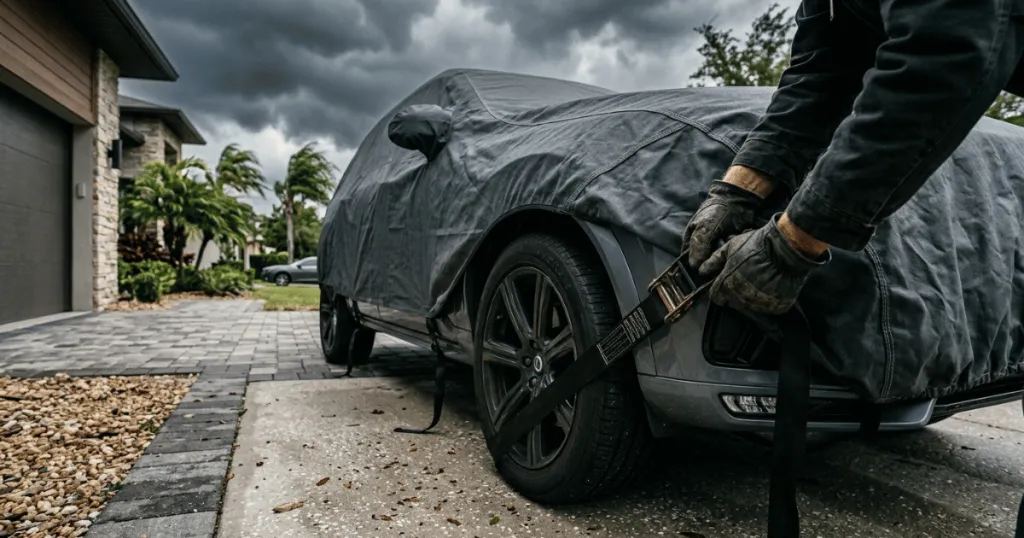
When wind hits a covered vehicle, pressure differentials try to lift the material off the chassis. Without heavy-duty securing measures, the barrier will billow, tear, or detach, leaving the paint exposed to flying projectiles. A proper emergency setup neutralizes this aerodynamic lift by ensuring a skin-tight fit and locking down all loose hem material before the gale-force gusts arrive.
Examining local microclimates further refines this preparation. Vehicles parked in open coastal zones face steady, high-velocity pressure fronts combined with corrosive salt spray, whereas urban or suburban vehicles deal with turbulence bouncing off neighboring structures and fences. An effective anchoring system must account for these variable pressure zones to keep the textile from fluttering and causing progressive surface micro-scratches.
Selecting the Right Materials for Severe Weather
Not all automotive textiles are engineered to handle tropical storm conditions. Standard single-layer indoor dust covers offer virtually zero resistance against flying debris and tearing winds. When evaluating options for severe weather mitigation, certain fabric traits dictate whether the shield will survive or shred.
Multi-Layer Composite Fabrics
Multi-layer composite materials provide the structural integrity needed to withstand flying gravel and small twigs. These thicker textiles absorb kinetic impacts better than thin, silky materials. In practice, a heavier composite construction resists puncture tears from wind-borne yard debris far more effectively.
Reinforced Grommets and Tie-Down Channels
Fabric strength means little if the attachment points fail under load. Look for built-in, reinforced grommets or underbody strap channels that allow you to anchor the material securely. These reinforced zones prevent the straps from ripping through the fabric when sustained winds exceed gale force.
Material breathability remains equally vital even during emergency deployment. Non-breathable polyethylene sheeting traps moisture and humidity against the vehicle body, which accelerates clear coat degradation when ambient temperatures rise post-storm. Choosing a breathable yet dense woven fabric allows trapped vapor to escape while maintaining high tensile strength against physical impacts.
Securing Your Vehicle Against Storm Surges and Flying Debris
Executing a reliable installation involves methodical steps to lock every edge down tightly. Rushing this process leaves vulnerable gaps where wind can enter and cause structural failure of the material. Follow these steps to ensure maximum stability when severe weather approaches.
Step 1: Perform a Thorough Pre-Wash
Before installing any protective layer, wash the vehicle to remove surface grit and road salt. Trapped dirt combined with high-velocity wind vibration will etch the clear coat rapidly. Clean paint ensures the fabric rests smoothly without grinding abrasive particles into the finish.
Step 2: Install a Custom or Semi-Custom Fit Shield
Drape a snug, form-fitting shield over the cleaned vehicle, taking care to align mirror pockets correctly. Avoid loose universal sizes that leave excessive material hanging in the breeze. A tailored fit minimizes the surface area available for wind to catch.
Step 3: Apply Heavy-Duty Underbody Straps
Thread heavy-duty storm straps underneath the chassis from side to side and clip them securely. Cinch the straps down firmly so the material cannot shift upward or sideways. This underbody anchoring is the single most critical factor in preventing the shield from turning into a sail.
Step 4: Lock Down Perimeter Cords
If your shielding includes a bottom hem cinch rope or cable lock, pull it taut and secure it. This removes the slack around the lower bumper and rocker panels. Securing the perimeter keeps wind from tunneling underneath and lifting the entire assembly off the car.
Integrating an emergency car cover setup with supplementary parking tactics provides an extra layer of security. For instance, parking close to a sturdy structural wall can block one major vector of wind, while proper wheel chocking prevents displacement if minor localized flooding begins to nudge the tires.
Real-World Scenarios and Practical Limitations
Every parking environment presents unique challenges when a tropical system approaches. Recognizing your specific location helps you decide whether shielding your car outdoors is even the safest choice. If you park near mature oak trees or in a known flood zone, the calculus changes dramatically.
In suburban neighborhoods with dense tree canopies, falling limbs represent the greatest threat to your vehicle. While a heavy textile guards against minor twig scratches, it cannot prevent a heavy oak branch from crushing a roof panel. Conversely, in open coastal areas, high winds and flying salt spray are the primary concerns, making a secure, breathable barrier essential for paint preservation.
Water intrusion is another critical factor to weigh carefully. If local authorities issue a mandatory evacuation order or predict severe storm surge flooding, leaving your car parked outside with any cover is risky. Rising saltwater trapped under a heavy plastic shield can accelerate corrosion on electrical components and rocker panels.
Understanding these environmental thresholds helps vehicle owners make rational safety decisions. When storm intensity passes standard material limits, relocating the automobile to an elevated parking structure or an interior storage facility supersedes any outdoor protection strategy.
Why Proper Preparation Matters for Long-Term Paint Health
Storm recovery is stressful enough without discovering severe cosmetic damage on your primary transportation. Paint restoration after a major weather event often requires professional color sanding or panel repainting. Taking time for proper hurricane car cover prep significantly reduces the likelihood of expensive abrasive damage.
Beyond cosmetic concerns, safeguarding your vehicle ensures it remains operational for post-storm evacuation or recovery tasks. Damaged trim, smashed glass, and scratched body panels complicate insurance claims and diminish vehicle resale value. Proactive shielding acts as a low-cost insurance policy for the exterior finish during nature’s most volatile moments.
When wind-driven debris impacts unprotected bodywork, the resulting chips invite moisture and oxidation. Utilizing heavy duty car protection minimizes this vulnerability, preserving the factory finish integrity and saving owners from extensive detailing or body shop visits once emergency advisories are lifted.
Common Misconceptions About Severe Weather Vehicle Shielding
Many vehicle owners assume that wrapping a car in heavy plastic sheeting or tying extra tarps over a standard protector provides superior storm defense. In practice, non-breathable plastics trap ambient humidity and condensation against the clear coat, leading to chemical etching and cloudy paint finish defects. Furthermore, improvised tarps lack tailored anchor points, making them extremely prone to shredding in high winds.
Another frequent oversight is ignoring the importance of paint decontamination before securing the vehicle. People often rush to button up their property as warnings sound, trapping existing dirt underneath the fabric. When hurricane-force gusts shake the material, that trapped grit acts as an abrasive compound across every square inch of bodywork.
Some drivers also believe that tying ropes loosely over the top of a generic shield will suffice. Without proper underbody routing, top-only ropes allow the sides of the fabric to billow out like a parachute, creating violent snap loads that can dent sheet metal or pull mirrors out of alignment.
Conclusion and Final Recommendations
Navigating severe weather requires anticipating environmental hazards well before the first bands of rain arrive. Executing thorough hurricane car cover prep safeguards your vehicle against wind-driven debris and surface abrasion. Prioritize a snug fit, robust underbody anchoring, and breathable multi-layer materials to keep your investment safe while weather conditions deteriorate outside.
FAQ
Should I leave my car cover on during a hurricane?
Yes, provided it is a heavy-duty, multi-layer model secured tightly with heavy-duty underbody straps to prevent wind billowing. However, if your area is prone to severe flooding or falling trees, moving the vehicle to a garage or higher ground is always safer.
Can standard indoor car covers survive tropical storm winds?
No. Standard indoor dust covers are too thin and lack the reinforced anchor points required to withstand high-velocity gusts and flying debris. They will likely tear or pull away from the vehicle.
How do I keep my car cover from acting like a sail in high winds?
The best defense against wind lofting is using a custom-fit shield combined with secure underbody storm straps and a tightened bottom hem cord to eliminate all loose fabric slack.