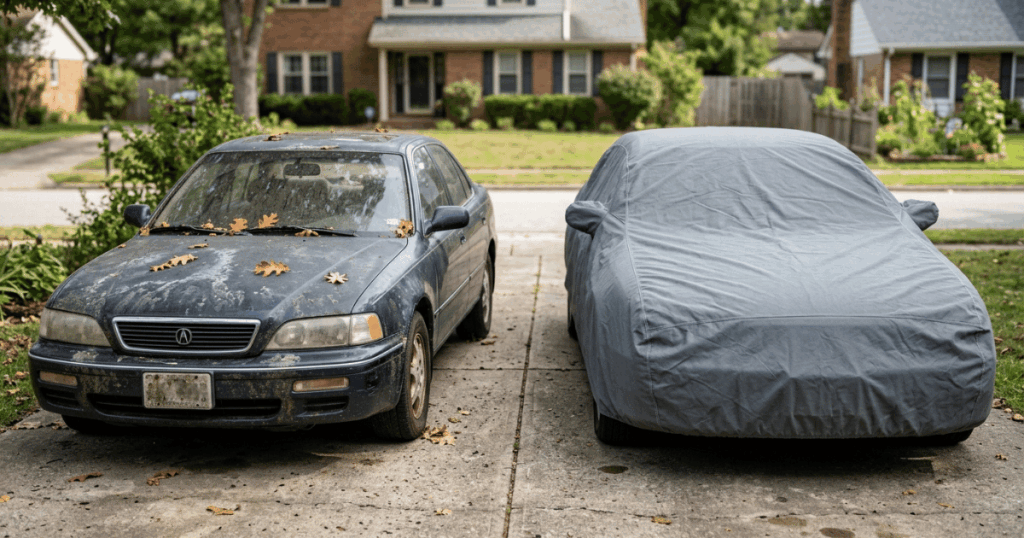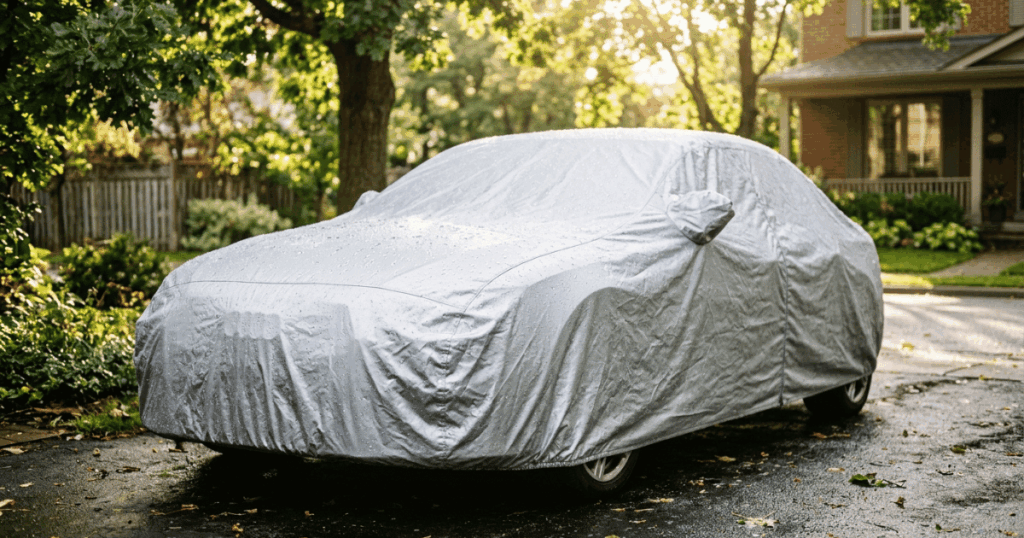
At a Glance: A car cover is an engineered protective textile designed to shield a vehicle’s exterior from environmental hazards like UV rays, moisture, dust, and debris. It acts as a physical barrier to preserve the paint, rubber seals, and trim, preventing long-term degradation caused by exposure to the elements.
When you ask what is a car cover, the answer goes beyond simple fabric draped over a vehicle. In practical terms, it is a specialized, engineered barrier designed to shield a car’s exterior finish from environmental hazards that cause long-term degradation. Whether you are parking in a garage or leaving a vehicle exposed to the elements, these covers serve as the primary line of defense against physical and chemical damage.
Understanding the role of these covers helps vehicle owners make better decisions about storage and maintenance. By preventing exposure to sun, moisture, and debris, a cover does more than keep a car clean; it preserves the structural integrity of the paint, rubber seals, and plastic trim. It is a foundational tool for anyone interested in long-term vehicle care.
Defining What Is a Car Cover in Daily Practice
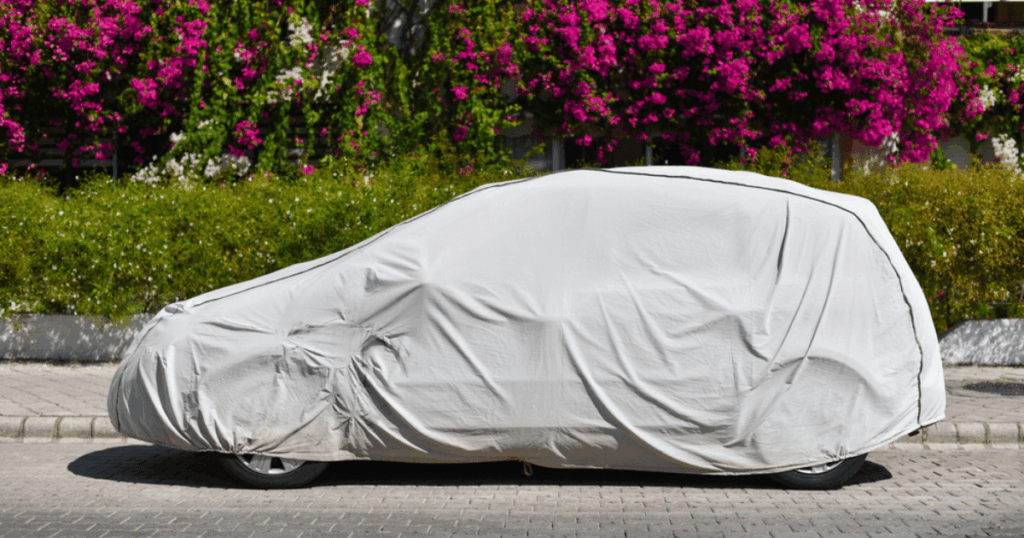
At its core, a car cover is a protective textile shell custom-fitted or semi-fitted to the contours of a specific vehicle. Unlike a generic tarp, which can trap moisture and scratch paint, a proper cover is designed with materials that balance breathability with resistance to external threats. These products are not one-size-fits-all accessories; they are specific tools engineered for distinct environments.
The primary function is to act as a physical buffer. In an outdoor setting, this means resisting ultraviolet radiation that fades clear coats and preventing acidic rain or tree sap from etching into the paint. Indoors, the focus shifts to dust mitigation and protection against accidental bumps or scratches in a shared garage space. Regardless of the environment, the goal remains the same: minimizing the need for frequent washing and detailing while slowing the natural aging process of the vehicle’s exterior.
How It Works: The Mechanics of Protection
The effectiveness of a car cover relies on the interaction between its material composition and the way it fits the vehicle. A high-quality cover does not simply block elements; it manages the micro-environment between the fabric and the paint surface.
Moisture Management and Breathability
A critical aspect of any effective cover is breathability. If a cover is completely airtight, moisture from the ground or humidity in the air can become trapped underneath. This creates a greenhouse effect that promotes rust and mildew. Modern covers use multi-layer fabrics that allow water vapor to escape while preventing liquid water, such as rain or snow, from penetrating the outer surface. This vapor-permeability is what separates a professional automotive cover from a standard plastic sheet.
UV Radiation Resistance
Sunlight is one of the most destructive forces for a vehicle’s finish. Ultraviolet rays break down the chemical bonds in paint, leading to oxidation, fading, and peeling. A quality cover acts as a physical sunblock. By reflecting a significant portion of solar energy, the cover keeps the vehicle’s surface temperature lower and prevents the direct contact that causes long-term UV damage. This is particularly vital for vehicles stored in arid or high-altitude regions where sun intensity is extreme.
Physical Barrier Against Debris
Beyond chemical and light-based damage, a cover provides a mechanical barrier against physical debris. This includes airborne dust, tree sap, bird droppings, and pollen. These substances are often acidic or abrasive. When left on a car, they can eat through the clear coat or cause micro-scratches during removal. A cover keeps these contaminants off the paint entirely, ensuring that the vehicle remains clean and protected until it is ready to be driven.
Common Examples and Material Variations
The market for covers is divided by the intended use case, which dictates the materials and design features used. Understanding these categories is essential for choosing the right level of protection.
Indoor Covers
Indoor covers are designed for garages or storage units. They are typically made from lightweight, soft, and highly breathable materials like cotton blends or soft polyester. Because they do not need to withstand rain or high winds, they focus on preventing dust accumulation and protecting against light contact or accidental dings. They are easy to fold and store, making them ideal for weekend cars or classic vehicles kept in climate-controlled spaces.
Outdoor Covers
Outdoor covers are built for durability and weather resistance. These often feature multiple layers: a heavy-duty outer shell to repel water and resist tearing, and a soft inner lining to prevent friction against the paint. They are designed to withstand wind, heavy rain, and intense sun. Many outdoor models include tie-down straps or grommets to secure the cover during gusty conditions, preventing the fabric from flapping against the paint and causing abrasions.
The Importance of Fit in Vehicle Exterior Protection
Fit is perhaps the most significant factor in how well a cover performs. A loose-fitting cover acts like a sail in the wind, creating friction that can dull the clear coat over time. A custom fit car cover is tailored to the specific dimensions of your vehicle, including the side mirrors, antenna, and bumpers. This precision minimizes movement and ensures that the protective material remains stationary even during high winds. Semi-custom covers offer a middle ground, providing a better fit than universal options by using general sizing categories based on vehicle length and body style, such as sedan, SUV, or truck.
Material Science and Automotive Textiles
The evolution of car cover materials has moved far beyond simple canvas. Today’s automotive textiles are engineered for specific performance metrics. High-end covers often utilize multi-layer composite fabrics. The outer layer is typically treated with a water-repellent finish, while the middle layers act as a filtration system, blocking dust and pollutants while allowing air to circulate. The innermost layer is almost always a non-abrasive, soft-touch fabric designed to glide over the paint without causing micro-marring. Understanding these material layers is key to evaluating the longevity of your investment in vehicle exterior protection.
Strategic Use in Car Storage
For those engaged in long-term car storage, a cover is not just an accessory—it is a necessity. Whether you are storing a vehicle for the winter or keeping a secondary car in a carport, the cover serves as an essential barrier against environmental hazards. In these scenarios, the cover prevents the accumulation of dust that can become abrasive if wiped away, and it shields rubber seals and plastic trim from the drying effects of heat and light. When using a cover for extended periods, it is important to ensure the vehicle is clean and dry before application to prevent the trapping of contaminants that could lead to surface damage over time.
Related Terms and Concepts
To fully grasp what is a car cover, it helps to distinguish it from related storage solutions and maintenance concepts. These terms often appear when discussing vehicle preservation.
Custom vs. Universal Fit
A custom-fit cover is patterned specifically for the make, model, and year of your vehicle, including side mirrors and antennas. This ensures maximum coverage and reduces the risk of the cover shifting in the wind. Universal-fit covers, by contrast, are designed to fit a range of vehicle sizes. While more affordable, they often leave gaps or have excess material that can flap, potentially damaging the paint finish over time.
Paint Protection Film (PPF)
While a cover is a removable, temporary barrier, PPF is a permanent, transparent urethane film applied directly to the vehicle’s panels. While both protect against debris, they serve different purposes. A cover provides total vehicle protection, including glass and rubber, whereas PPF is focused specifically on preventing rock chips and scratches on high-impact areas. They are often used together for maximum preservation.
Common Misconceptions
Many vehicle owners harbor false beliefs about car covers that can lead to improper use. Addressing these myths is vital for effective vehicle care.
A common misconception is that a cover will cause rust. In reality, rust occurs when moisture is trapped against the metal. If you use a high-quality, breathable cover on a clean, dry vehicle, it will not cause rust. Problems only arise when a low-quality, non-breathable plastic tarp is used, or when a cover is placed over a wet or dirty vehicle, sealing in contaminants and moisture.
Another error is the belief that covers are only for long-term storage. While they are excellent for winterizing or long-term parking, they are also highly effective for daily drivers. If you park your car outside at work or home, a cover can significantly reduce the frequency of car washes and prevent the long-term degradation caused by daily UV exposure. It is a proactive maintenance step rather than just a storage solution.
Finally, some owners worry that putting a cover on and off will scratch the paint. This only happens if the vehicle is dirty before the cover is applied or if the cover itself is covered in grit. By keeping the vehicle clean and ensuring the cover is stored in a clean bag when not in use, you eliminate the risk of surface marring. Proper technique, such as rolling the cover off rather than dragging it, further protects the finish.
Understanding what is a car cover allows you to view it as an essential component of your vehicle maintenance routine. Whether you are protecting a daily driver from the sun or keeping a classic car pristine in a garage, the right cover is a simple, effective way to preserve your investment for years to come.
FAQ
Will a car cover scratch my paint?
A high-quality cover with a soft inner lining will not scratch your paint, provided the vehicle is clean before the cover is applied. Scratches typically occur when grit or dirt is trapped between the cover and the paint surface, or if the cover is dragged across the vehicle during installation.
Can I use an outdoor car cover indoors?
Yes, you can use an outdoor cover indoors, but it may be bulkier and less breathable than a dedicated indoor cover. Indoor covers are specifically designed to be lightweight and easy to handle in a garage setting, whereas outdoor covers are heavier to provide weather resistance.
How do I prevent moisture trapping under my cover?
To prevent moisture trapping, always use a breathable car cover made from high-quality automotive textiles. Ensure the vehicle is completely dry before covering it, and avoid using plastic tarps, which are non-breathable and can create a greenhouse effect that leads to rust and mildew.
How often should I clean my car cover?
You should clean your car cover whenever it becomes visibly dirty or dusty. Most covers can be cleaned by hosing them down with water and using a mild soap, but always check the manufacturer’s care instructions to ensure you do not damage the protective coatings or breathability of the fabric.