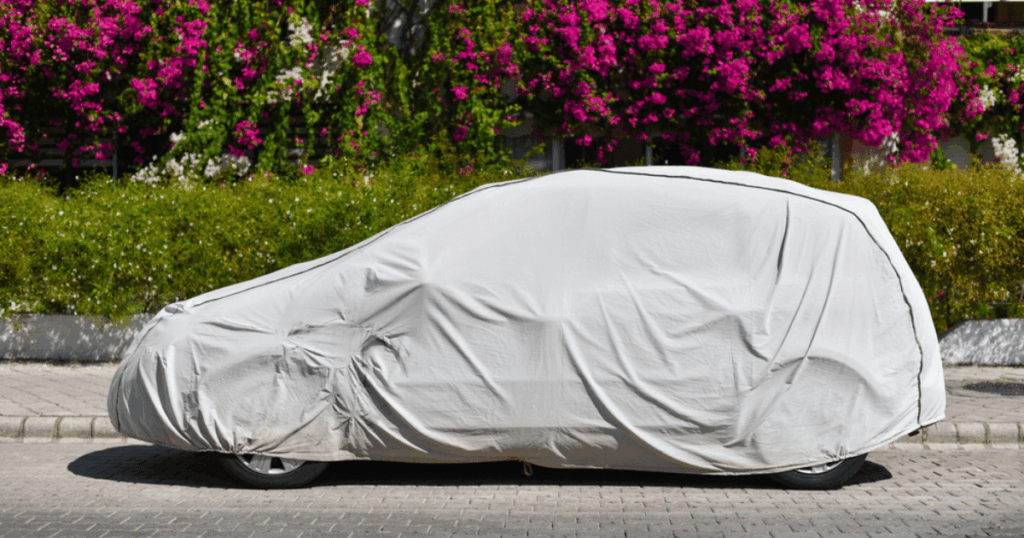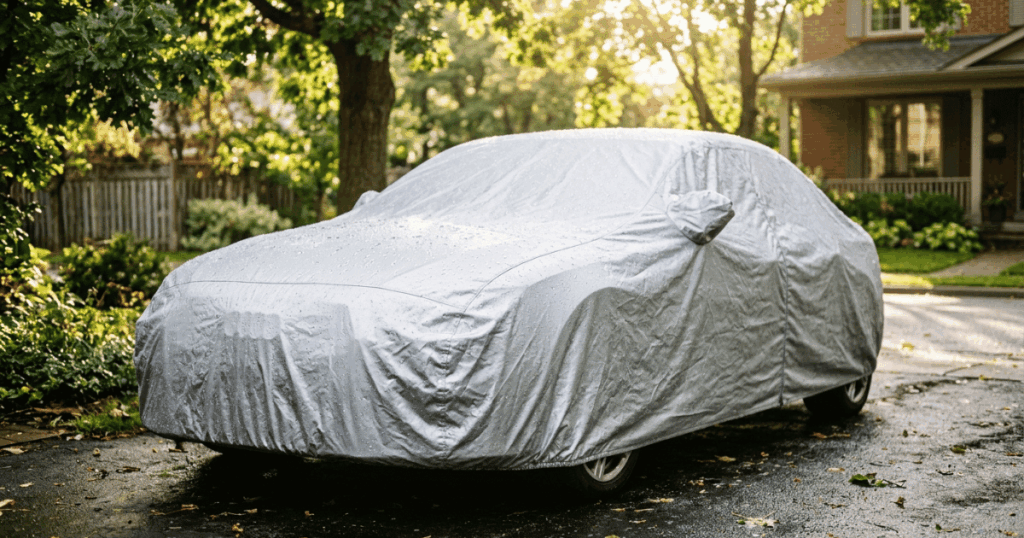
Quick Verdict: Use a car cover if your vehicle is stored outdoors for long periods or in harsh climates where UV rays, tree sap, and bird droppings are constant threats. If your vehicle is a daily driver or you lack the time to maintain a clean cover, skipping the cover and focusing on regular washing and waxing is often the more practical, lower-risk strategy.
The debate over car cover vs no cover often stems from a fundamental misunderstanding: that a cover is merely a cosmetic accessory rather than a functional tool for environmental mitigation. Many owners assume that leaving a vehicle exposed is the default state, ignoring the cumulative damage caused by UV radiation, bird droppings, tree sap, and atmospheric pollutants. In reality, the choice between using a protective layer and leaving your vehicle exposed should be dictated entirely by your storage environment, the frequency of vehicle use, and the specific climate conditions in your region.
If you park outdoors in a high-exposure area, the lack of a cover often leads to accelerated clear-coat degradation and paint oxidation. Conversely, using a cover on a vehicle that is not properly cleaned can trap grit against the finish, causing micro-scratches. This guide evaluates the trade-offs of both approaches to help you determine which strategy best preserves your vehicle’s exterior condition.
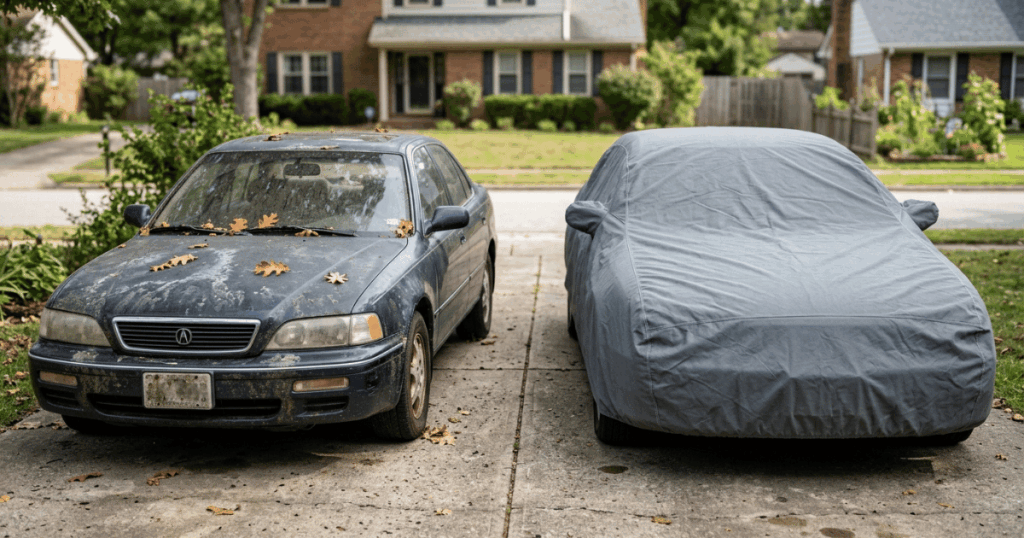
| Feature | Using a Car Cover | No Cover (Exposed) |
|---|---|---|
| UV Protection | High (prevents fading/cracking) | None (leads to oxidation) |
| Debris Shielding | Effective against sap/droppings | None (requires frequent washing) |
| Moisture Control | Depends on breathability | High (natural evaporation) |
| Ease of Use | Requires daily effort | Zero effort |
| Scratch Risk | Potential if dirty | Low (unless wind-blown debris) |
Understanding the Case for Using a Car Cover
A car cover acts as a physical barrier against the most common environmental hazards that degrade a vehicle’s exterior over time. By choosing to use a cover, you are actively managing the rate of wear on your paint, rubber seals, and interior plastics. This protective barrier is particularly effective in environments where the vehicle remains stationary for extended periods, as it mitigates the constant assault of sunlight and airborne particulates.
UV Radiation Mitigation
The most significant benefit of a cover is its ability to block ultraviolet rays. Prolonged exposure to direct sunlight breaks down the chemical bonds in automotive paint, leading to chalky oxidation and eventual clear-coat failure. A high-quality cover acts as a shield, keeping the surface temperature lower and preventing the interior dashboard from warping or fading due to heat buildup. For US vehicle owners in sun-drenched regions, this is the primary defense against premature aging of the vehicle’s aesthetic value.
Protection from Environmental Contaminants
Outdoor storage exposes vehicles to acidic bird droppings, sticky tree sap, and industrial fallout. These contaminants are chemically aggressive and can etch into your clear coat if left to bake in the sun. A cover prevents these substances from making contact with the paint, effectively extending the time between necessary washes and reducing the need for abrasive decontamination processes. By keeping the surface clean, you are also protecting the integrity of the weatherstripping and plastic trim, which can dry out and crack when exposed to harsh chemicals and heat.
The Reality of Leaving a Vehicle With No Cover
Choosing the no-cover route is often a decision based on convenience or the assumption that modern automotive finishes are impervious to the elements. While modern clear coats are durable, they are not invincible against long-term environmental neglect. Understanding the consequences of this choice is vital for long-term vehicle maintenance.
The Convenience Trade-off
The primary advantage of going without a cover is the immediate accessibility of your vehicle. For a daily driver, the time required to remove, fold, and store a cover can be prohibitive, leading many owners to skip the process entirely. In this scenario, the vehicle remains ready for use at a moment’s notice, which is a practical priority for many busy owners. However, this convenience comes at the cost of increased exposure to the elements, which necessitates a more proactive approach to exterior care.
The Cost of Exposure
When you opt for no cover, you accept the necessity of more frequent maintenance. You will likely need to wash the vehicle more often to remove corrosive contaminants and apply wax or sealants regularly to provide a sacrificial layer against UV rays. Without these steps, the long-term aesthetic value of the vehicle will decline faster than a protected counterpart. Over time, the cumulative effect of ignoring these maintenance cycles can lead to permanent paint damage that requires professional detailing to correct.
Feature-by-Feature Differences and Trade-offs
When evaluating car cover vs no cover, the differences go beyond simple protection. You must consider how these choices interact with your specific daily workflow and the local climate. The decision-making process should involve a realistic assessment of your storage constraints and your willingness to adhere to a maintenance cycle.
Moisture and Breathability
A common concern with covers is moisture trapping. If you use a non-breathable cover in a humid environment, condensation can form underneath, leading to mold or water spotting. Conversely, leaving a car uncovered allows for natural evaporation, but it also leaves the vehicle vulnerable to acidic rain and snow accumulation, which can seep into door jams and rubber weatherstripping. A breathable car cover is essential if you choose to cover your vehicle, as it allows trapped moisture to escape while still blocking liquid water from entering.
The Impact of Wind and Debris
In windy environments, a loose or poorly fitted cover can become a liability. If dust or grit gets trapped between the cover and the paint, the movement caused by wind acts like sandpaper, creating fine scratches known as marring. An uncovered vehicle avoids this specific risk, though it remains vulnerable to larger debris like falling branches or wind-blown sand that can cause deeper physical damage. Proper securing of a cover is critical to preventing this friction-based damage.
Maintenance Effort
Using a cover requires a disciplined routine. You must ensure the vehicle is clean before covering it, and you must have a clean, dry place to store the cover when it is not in use. If you are not prepared to commit to this maintenance cycle, a cover may actually do more harm than good. No-cover storage requires less discipline but demands more frequent exterior detailing to maintain the same level of cleanliness. The choice often boils down to whether you prefer to spend time cleaning the car or cleaning the cover.
Best Use Cases for Each Approach
Determining whether to use a cover depends on how and where you store your vehicle. There is no one-size-fits-all answer, as the environment dictates the requirements. Climate exposure plays a massive role in whether a cover is a benefit or a burden.
When to Use a Car Cover
A cover is highly recommended for long-term vehicle storage or for vehicles parked in areas with high tree density, intense sun, or frequent bird activity. If you own a classic car, a weekend vehicle, or a car that sits for extended periods, a cover is the most effective way to maintain its condition. It is also a smart choice for owners who want to minimize the frequency of professional detailing by keeping the vehicle protected from the daily accumulation of dust and atmospheric pollutants.
When to Go With No Cover
The no-cover approach is most suitable for daily drivers that are used frequently and parked in relatively protected areas, such as a garage or a carport. If you live in a climate with extreme temperature fluctuations that could cause moisture to freeze a cover to the paint, or if you simply lack the time to manage a cover properly, leaving the car exposed is the more realistic and practical choice. In these cases, focus your energy on high-quality sealants and frequent washing to mitigate the risks of exposure.
Which One Should You Choose?
Choosing between car cover vs no cover requires an honest assessment of your habits. If you are the type of person who enjoys maintaining their vehicle and has the time to manage a cover properly, the protective benefits are significant. The reduction in UV damage and environmental etching can preserve the resale value and aesthetic appeal of your vehicle for years.
However, if you are a busy owner who views a car primarily as a utility, the effort of managing a cover may lead to frustration or neglect. In such cases, it is better to accept the reality of an uncovered vehicle and invest that energy into a more rigorous washing and waxing schedule. A well-maintained, uncovered car will almost always look better than a covered car that is rarely cleaned or improperly stored.
Ultimately, the decision rests on your ability to maintain the cover itself. If you cannot commit to keeping the vehicle clean before covering it, or if you cannot store the cover in a clean, dry space, you are better off without one. Prioritize a consistent cleaning routine over the purchase of a cover if your lifestyle does not support the extra steps required for proper cover management. If you do choose to use a cover, ensure it is a breathable model designed for your specific vehicle type to maximize the protective benefits while minimizing the risks of moisture entrapment and paint abrasion.
FAQ
Will a car cover scratch my paint?
A car cover can cause micro-scratches if the vehicle is dirty when the cover is applied or if the cover itself is covered in grit. Always ensure the paint is clean before covering, and use a high-quality, soft-lined cover to minimize friction.
Is a car cover necessary for a daily driver?
Generally, no. For a daily driver, the time and effort required to remove and store a cover often outweigh the benefits. A consistent washing and waxing routine is usually more practical for daily-use vehicles.
Can I use a car cover in the rain?
Yes, provided you use a breathable, water-resistant cover. If the cover is not breathable, moisture can become trapped against the paint, which may lead to water spots or mold. Always check the manufacturer’s specifications for moisture management.