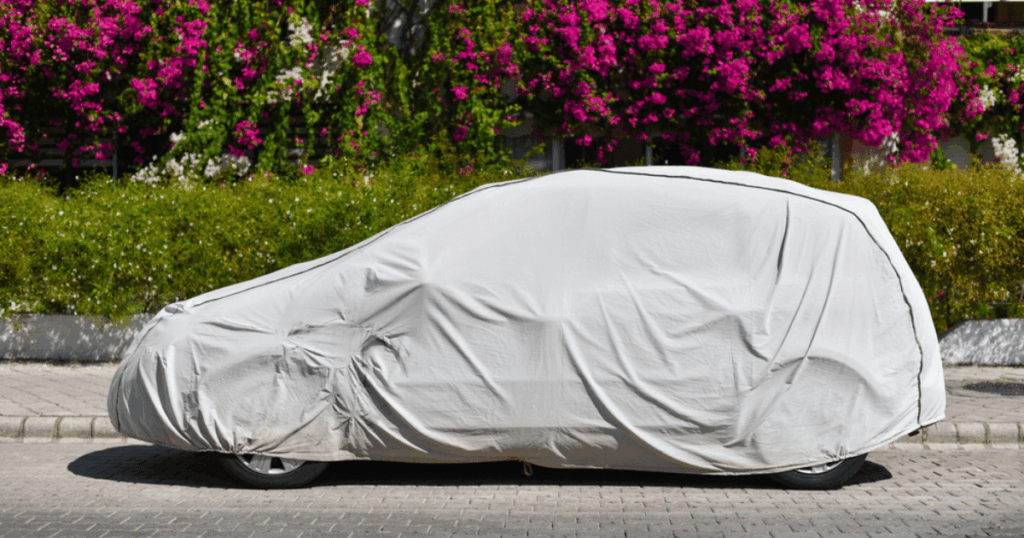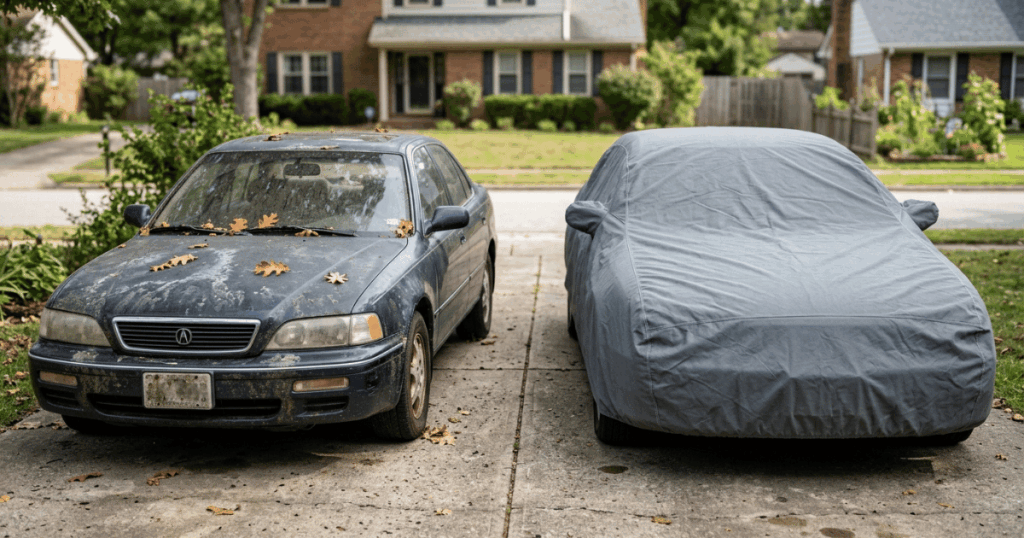
The Short Version: A car cover protects your vehicle by acting as a sacrificial barrier against environmental stressors like UV radiation, moisture, bird droppings, tree sap, and abrasive dust. It prevents clear coat oxidation, minimizes the need for frequent washing, and protects the interior from heat buildup, ultimately preserving the vehicle’s resale value.
When you park your vehicle, it immediately becomes vulnerable to a range of environmental stressors, from harsh ultraviolet radiation to falling debris and moisture. Many owners wonder exactly how does a car cover protect your car beyond simply acting as a physical barrier. At its core, a high-quality cover serves as a multi-layered shield designed to maintain the integrity of your vehicle’s exterior finish, rubber seals, and interior components by mitigating the impact of external elements.
Understanding the protective mechanism requires looking at how different materials interact with specific threats. Whether you are storing a vehicle in a garage or leaving it exposed to the elements in a driveway, the cover functions as a sacrificial layer. It takes the brunt of the environmental damage so that your paint, trim, and glass do not have to. By managing airflow, moisture evaporation, and light filtration, a well-fitted cover preserves the aesthetic and functional condition of your car over time.
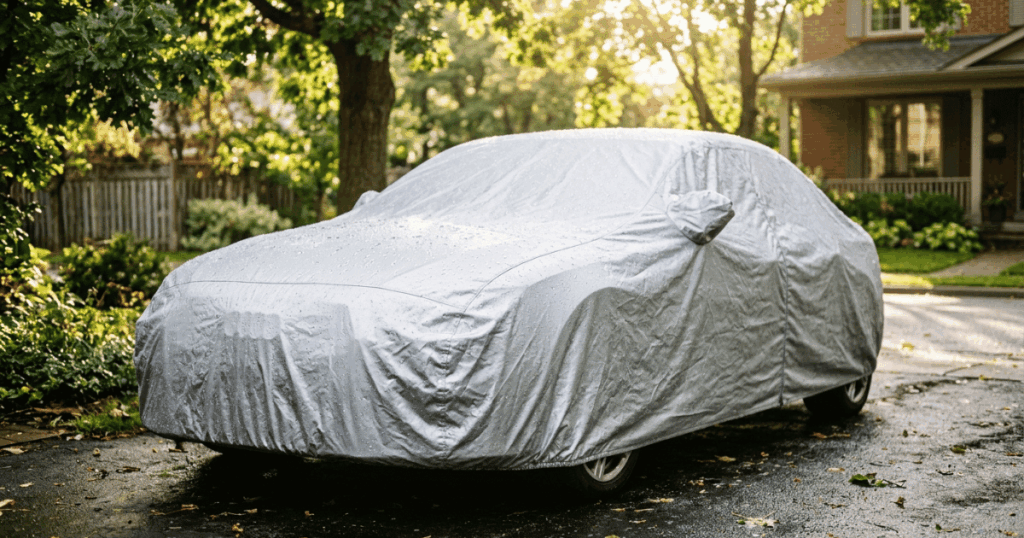
The Primary Mechanisms of Protection
The effectiveness of a car cover is determined by its ability to manage the environment immediately surrounding the vehicle’s body panels. Different materials offer varying levels of resistance to specific threats, and understanding these mechanisms helps you choose the right level of defense for your storage situation.
UV Radiation Blocking
Ultraviolet rays are perhaps the most persistent threat to a vehicle’s exterior. Over time, prolonged exposure to sunlight causes clear coat oxidation, leading to a dull, chalky appearance. A car cover acts as a physical filter, preventing these rays from reaching the paint surface. By blocking the sun, the cover also keeps the interior cabin cooler, which prevents the dashboard from cracking and upholstery from fading due to heat buildup. This thermal regulation is a critical aspect of long-term vehicle care, as it prevents the interior plastics and adhesives from breaking down prematurely under intense heat.
Moisture Management and Breathability
A common misconception is that a cover should be completely airtight. In reality, effective protection relies on breathability. If moisture becomes trapped between the cover and the vehicle, it can lead to corrosion or mold growth. A high-quality cover is designed to allow water vapor to escape from underneath while preventing liquid water, such as rain or morning dew, from penetrating the fabric. This balance is critical for preventing rust on metal surfaces and spotting on paint. Proper moisture management ensures that even if humidity levels fluctuate, the environment under the cover remains stable enough to prevent oxidation of exposed metal components.
Physical Barrier Against Debris
Beyond weather, a cover provides a robust defense against physical hazards. This includes tree sap, bird droppings, and wind-blown dust, all of which can be acidic or abrasive. When these substances land on a cover instead of your paint, they are easily washed away or shaken off. This prevents the need for frequent, aggressive washing, which is a leading cause of fine swirl marks and micro-scratches on clear coats. By acting as a sacrificial layer, the cover absorbs the impact of falling twigs or airborne pollutants, keeping the automotive paint pristine.
Real-World Context: Climate and Storage Scenarios
The environment in which you store your vehicle dictates the type of protection you need. A cover designed for a dry, dusty desert environment will perform differently than one engineered for a humid, rainy coastal region.
Indoor Storage Requirements
If you are storing a car in a garage or storage unit, the primary threats are dust accumulation and accidental dings. Indoor covers are typically lightweight, soft, and highly breathable. Their main job is to prevent dust from settling into the crevices of the vehicle, which can be difficult to clean without potentially scratching the paint. They also provide a gentle layer of padding against light impacts from tools or items stored nearby. In these environments, the focus is on maintaining the cleanliness of the vehicle exterior finish rather than waterproofing.
Outdoor Storage and Weather Exposure
Outdoor covers must be significantly more robust. They are usually constructed from multi-layered fabrics that include a water-resistant outer shell and a soft inner lining. In regions with heavy rain or snow, the cover must feature reinforced seams to prevent leakage. In high-wind areas, the fit and the securing system—such as tie-downs or grommets—become just as important as the material itself to prevent the cover from flapping, which can cause abrasion against the paint. A custom-fit car cover is particularly valuable here, as it minimizes the excess material that wind can catch, thereby reducing the risk of friction-related damage.
Why Consistent Use Matters for Vehicle Longevity
The decision to use a cover is often a choice between proactive maintenance and reactive repair. When you ask how does a car cover protect your car, the answer is found in the cumulative effect of daily protection. By preventing the constant cycle of heating, cooling, and exposure to contaminants, you significantly reduce the rate at which exterior materials degrade. This preventative maintenance approach is far more cost-effective than attempting to reverse environmental damage through professional detailing or body work.
For many owners, the most significant benefit is the preservation of the vehicle’s resale value. Paint correction, interior upholstery replacement, and the remediation of rust are expensive and often irreversible processes. Using a cover effectively pauses the aging process of the vehicle’s exterior. It is an investment in the long-term appearance of the car, ensuring that the finish remains vibrant and the trim stays supple for years longer than it would if left unprotected. The material integrity of the cover itself plays a role here; high-quality fabrics resist tearing and degradation, providing consistent protection over multiple seasons.
Furthermore, the habit of covering your vehicle encourages a closer inspection of its condition. When you remove the cover, you are naturally more likely to notice small issues like a loose trim piece or a new scratch. This awareness allows for early intervention, preventing minor problems from becoming major repair bills. Ultimately, using a cover is about maintaining control over the environment your vehicle is exposed to, rather than leaving its condition to chance. By managing surface contaminants through regular covering, you ensure that the vehicle remains in a state of readiness, whether it is a daily driver or a weekend vehicle.
Common Misconceptions About Car Covers
There are several myths regarding how covers function that can lead to improper use. Addressing these misunderstandings is essential for getting the most out of your protective gear.
One frequent error is the belief that a cover can be placed on a dirty car. If the surface of the car is covered in grit, the cover will act as a sanding sheet if it shifts in the wind, grinding that dirt into the clear coat. Always ensure the vehicle is relatively clean before covering it. Another misconception is that heavier is always better. While thickness provides impact protection, excessive weight can make the cover difficult to handle, leading to it being dragged across the ground and picking up debris that could scratch the paint during the next installation.
Finally, some owners assume that all covers are universal. While universal covers exist, they rarely provide the same level of protection as a custom-fit or semi-custom cover. A loose-fitting cover is more prone to flapping in the wind, which defeats the purpose of a protective barrier. A proper fit ensures that the cover remains taut, providing consistent protection across all body panels and reducing the risk of friction-related damage. Understanding the distinction between a generic cover and one tailored to your vehicle’s dimensions is key to effective corrosion prevention and surface protection.
The Role of Material Science in Protection
Modern car covers utilize advanced textile engineering to balance protection and breathability. The outer layer is typically treated with hydrophobic coatings to shed water, while the inner layer is designed to be non-abrasive to prevent marring the clear coat. This layered approach allows the cover to act as a barrier against environmental stressors while still allowing moisture trapped near the vehicle to evaporate through the fabric pores. This is the hallmark of a high-quality breathable car cover.
When selecting a cover, consider the specific environmental stressors of your region—such as high UV index, frequent precipitation, or high dust levels—and choose a material composition that addresses those specific challenges.