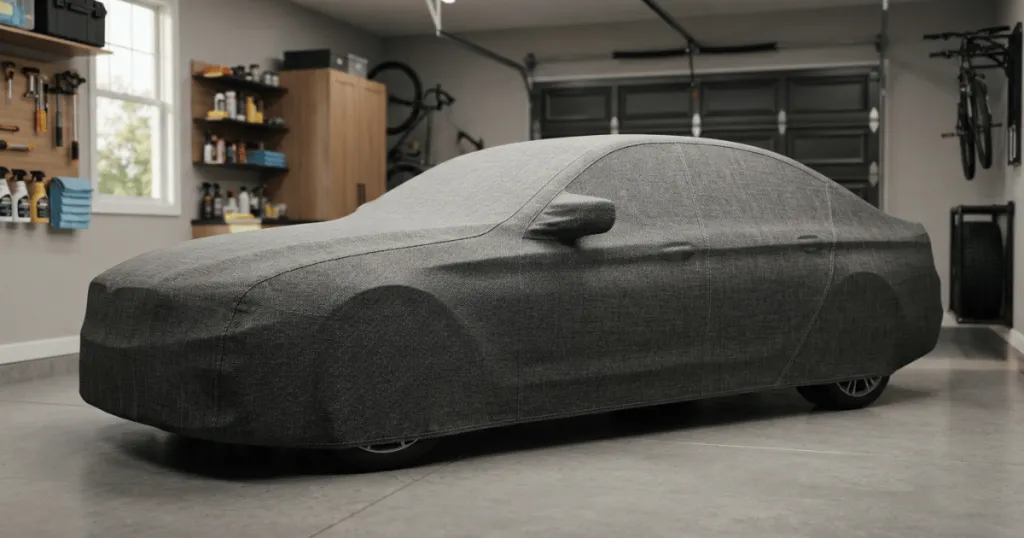
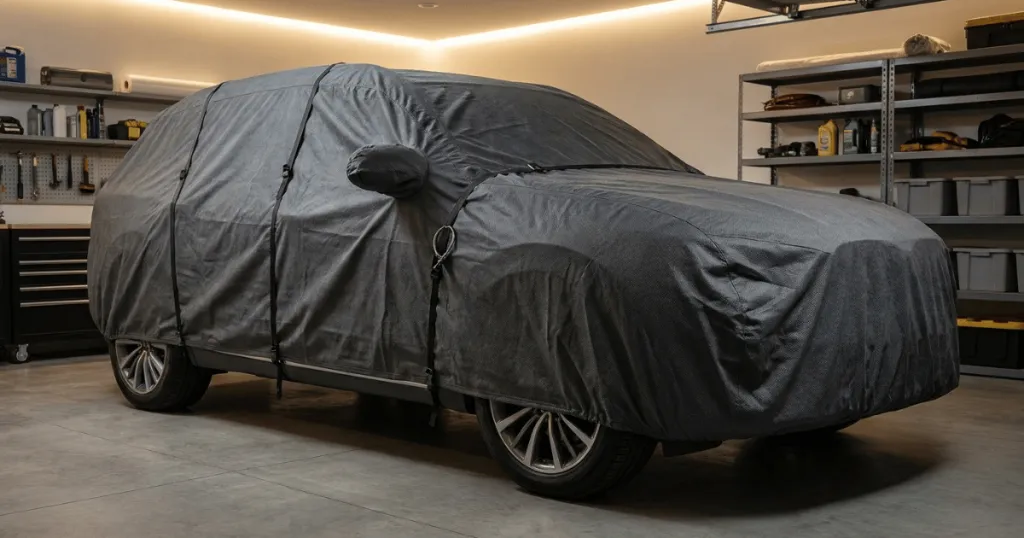
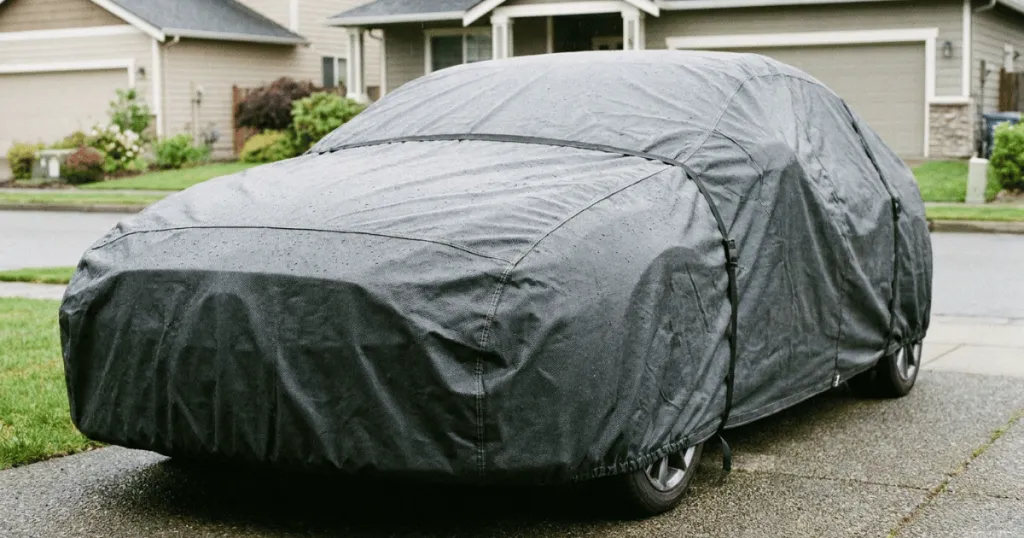
Deciding to protect your vehicle from the elements often starts with a single realization: constant exposure to sun, wind, and debris is slowly wearing down your paint and trim. When vehicles sit outside day after day, environmental friction takes a heavy toll. Choosing a wear resistant car cover is usually the most direct way to stop that daily damage without building a garage. This protective gear acts as a durable barrier against harsh outdoor conditions, keeping your vehicle in clean condition.
Understanding what makes a protective shield truly durable helps separate marketing claims from actual outdoor performance. Many vehicle owners buy thin covers that tear within a single season of heavy wind or UV exposure. Selecting the right materials and design specifications ensures your investment lasts through multiple years of changing weather.
Vehicle owners often underestimate how quickly unchecked outdoor parking degrades a factory finish. Tree sap, industrial fallout, and relentless solar heating combine to attack every square inch of exposed sheet metal and plastic trim. Selecting an engineered exterior shield changes this dynamic by intercepting airborne particles before they settle onto vulnerable clear coat surfaces. When evaluated through the lens of daily exposure, a rugged protective layer serves as a primary defense mechanism for preserving the cosmetic and structural condition of your automobile.
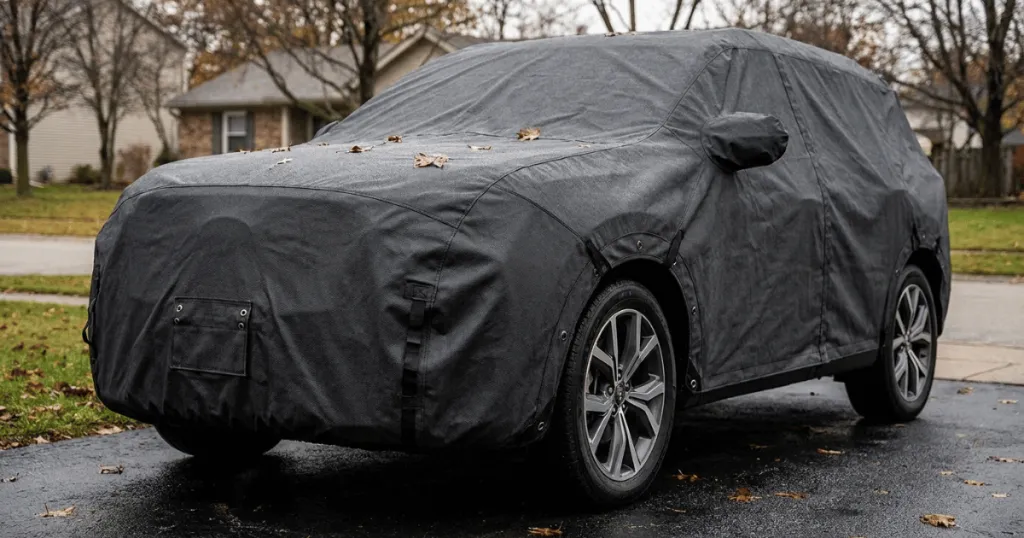
What Makes a Car Cover Truly Wear Resistant?
True durability in an exterior vehicle shield comes from specific manufacturing choices and material engineering. A wear resistant car cover relies on heavy denier ratings, multi-layer fabric bonding, and reinforced stress points. These construction elements stop friction from wearing thin spots into the fabric where it touches high points like mirrors and bumpers.
Material selection dictates how well the textile handles continuous outdoor abuse. Standard single-layer cotton or cheap polyethylene degrades quickly under intense sun and abrasive dust. High-performance polyester weaves paired with specialized polyurethane coatings offer significantly better longevity. This combination prevents the fibers from fraying when abrasive particles slide across the surface during windstorms.
Examining the inner construction reveals why some textiles outlast others under heavy use. A truly durable exterior defense integrates tightly spun threads that resist snagging from protruding vehicle ornaments or minor antenna bases. Furthermore, the molecular composition of the outer threads determines whether the textile remains flexible during freezing winter mornings or softens destructively during extreme summer heatwaves. Vehicle owners looking for dependable outdoor car cover protection must look past simple thickness measurements and examine how the individual threads are woven and treated against chemical breakdown.
Multi-Layer Fabric Engineering
Modern exterior covers often feature multi-tier fabric construction designed to balance breathability with toughness. The outer layer usually handles UV deflection and water resistance, while inner layers provide cushioning against minor impacts. This layered approach prevents external abrasion from reaching the clear coat of your car.
Breathability remains just as important as outer strength in preventing trapped moisture. If water vapor gets trapped underneath a dense textile, it can cause clouding or rust on metal surfaces. High-end fabrics use microporous membranes that block liquid rain while letting trapped condensation escape freely.
The synergy between these layers determines how well the textile performs during prolonged storms followed by sudden sunshine. When exterior humidity evaporates, it needs a clear pathway through the fabric matrix to prevent blistering on freshly painted surfaces. Selecting a multi-tiered textile ensures that exterior weather defense does not inadvertently create an internal moisture trap, preserving paint health over thousands of hours of covered storage.
Reinforced Seams and Stress Points
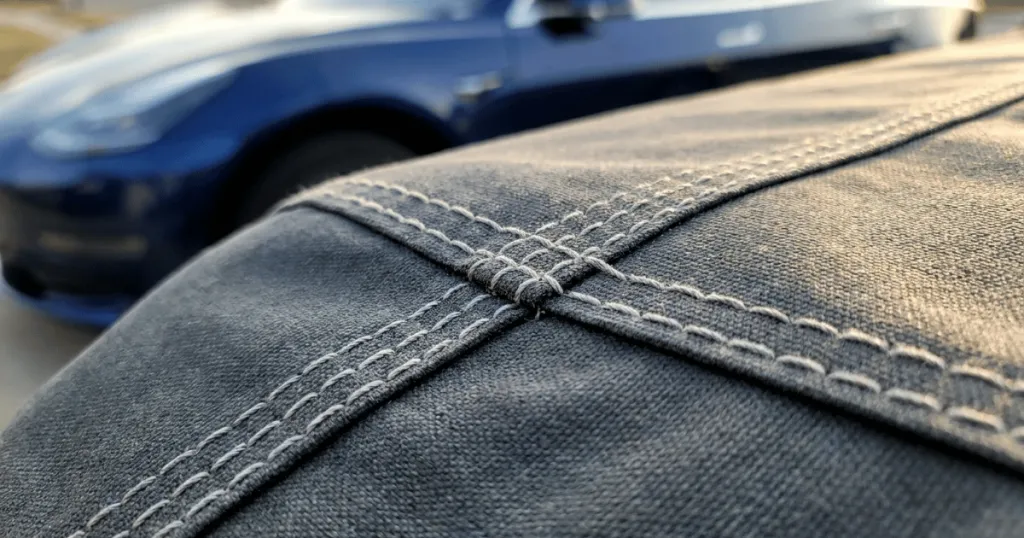
Where two pieces of fabric meet represents the most common failure point during high winds. A durable vehicle shield features double-stitched or heat-sealed seams that distribute tension evenly across the material. This reinforcement keeps the cover from tearing apart at the corners when heavy gusts pull against the fit.
Hem design also plays a major role in long-term durability. Elasticized hems or heavy-duty grommet panels allow you to secure the material tightly. When the cover stays snug against the body panels, it reduces flapping motion that creates friction wear on the paint.
Reinforced stress points also prevent hardware such as tie-down straps or cable locks from shearing through the fabric under load. Manufacturers who take durability seriously apply extra patches of tear-resistant material around grommets and antenna openings. This foresight stops localized strain from propagating across the entire cover during severe wind events, ensuring the investment remains intact year after year.
Environmental Factors That Test Material Durability
Outdoor elements attack vehicle protection from multiple angles simultaneously. Ultraviolet radiation breaks down chemical bonds in weak fabrics, making them brittle and prone to tearing with minimal force. A wear resistant car cover must include dedicated UV inhibitors woven directly into the thread to maintain structural integrity under relentless sunlight.
Wind-driven debris creates another severe test for exterior protection. Fine sand, grit, and dust act like fine-grit sandpaper whenever wind shifts the fabric back and forth across the car body. Selecting a smooth inner lining prevents these trapped particles from grinding into your clear coat during storage.
Different geographic regions present unique challenges to exterior textiles. Coastal environments introduce airborne salt crystals that accelerate corrosion and degrade unprotected synthetic fibers. Mountainous regions test material flexibility against rapid temperature swings that cause expansion and contraction cycles. Understanding these regional variables helps owners choose fabrics equipped to handle their specific local climate without premature failure.
Intense Solar Radiation and UV Breakdown
Sunlight destroys unprotected textiles faster than almost any other environmental hazard. High temperatures bake the outer layers, causing fading, shrinkage, and eventual fiber breakdown. Premium covers use specialized stabilizers that reflect solar energy rather than absorbing it, extending the usable lifespan of the material.
Vehicle owners living in desert regions or southern states face this challenge daily. For these hot climates, choosing a highly reflective, heavy-duty fabric prevents premature thermal degradation. Without this solar defense, even thick covers can turn into fragile dust within a single year.
Solar degradation is not limited to tropical zones; high-altitude parking lots subject vehicles to intense radiation due to thinner atmospheric filtering. Over time, UV photons cleave the polymer chains within synthetic threads, causing microscopic cracks to form across the surface. Integrating solar stabilizers directly into the extrusion process prevents this disintegration, ensuring the fabric retains its tensile strength over extended exposure periods.
Wind, Rain, and Airborne Contaminants
Wind creates constant mechanical stress on every square inch of a vehicle shield. When air currents push against a loose fit, the fabric buffets violently against the hood and roof. This constant rubbing creates localized friction wear that can dull factory paint finishes over time.
Precipitation combined with airborne pollutants like tree sap, bird droppings, and industrial fallout adds chemical stress to mechanical wear. A tough exterior shield resists chemical degradation so these substances wash off the cover instead of soaking through to your paint.
When heavy rain saturates a poorly constructed cover, the added water weight increases gravitational pull on top panels. If the fabric lacks adequate dimensional stability, it stretches permanently under this load, losing its tailored shape and sagging against the car body. Selecting a water-repellent textile prevents moisture absorption, keeping the cover lightweight and structurally sound during sustained downpours.
Evaluating Fit Options for Maximum Protection
Even the toughest textile will wear out prematurely if the fit is incorrect. Universal covers often fit loosely, leaving loose fabric to flap wildly in the wind. This excessive movement accelerates friction wear along the top edges of the vehicle.
Custom-fit options hug every contour of your specific make and model. Because the material cannot shift or billow in the wind, friction against the paint is minimized. Investing in a tailored fit significantly extends the functional lifespan of your protective cover.
The geometry of modern automobiles varies widely from wedge-shaped sports cars to boxy utility vehicles. A protective shield must respect these distinct angles to function correctly. When a cover matches factory body lines precisely, it distributes tension evenly across the entire surface rather than concentrating stress points on protruding mirrors or spoilers.
Custom Fit Versus Universal Sizing
Universal designs rely on general size categories like sedan, truck, or SUV. While affordable, they rarely match mirror pockets or body lines accurately. This extra slack invites wind infiltration and subsequent chafing against the finish.
Custom patterns are cut specifically for individual vehicle dimensions. They accommodate factory spoilers, antennas, and mirrors securely. This precise tailoring prevents the loose spots where wind damage typically starts.
Investing in a custom-tailored option eliminates the need for awkward bungee cords or supplementary straps designed to reign in billowing fabric. Because the pattern is engineered for a specific vehicle outline, it stays put naturally under normal wind conditions. This tight integration translates directly into better paint preservation and less mechanical fatigue on the fabric itself.
Semi-Custom Alternatives
Semi-custom covers offer a middle ground for popular vehicle shapes. They use structured sizing charts to get closer than universal options without the higher cost of bespoke tailoring. When selected carefully, they provide reliable coverage against everyday wear.
Checking manufacturer sizing guides ensures you find a snug option for your vehicle. Avoid sizing up excessively, as extra material defeats the purpose of choosing a durable, form-fitting design.
For owners of older or less common vehicle models where custom patterns are unavailable, a well-chosen semi-custom design provides an effective compromise. Utilizing included mirror pockets and elasticized hem features helps bridge the gap, delivering much of the stability found in custom alternatives without requiring specialized pattern creation.
Real-World Maintenance and Care Practices
Maintaining your protective shield ensures it continues delivering maximum defense. Dirt and grime accumulate on the outer surface over weeks of outdoor parking. If left unwashed, this buildup can scratch your vehicle the next time you install or remove the cover.
Cleaning your cover periodically preserves its flexibility and water-repellent properties. Most durable covers can be washed gently while draped over the vehicle or laid out flat on a clean driveway. Avoid harsh detergents or machine washing unless specifically recommended by the manufacturer.
Routine upkeep extends far beyond simple washing; inspecting stress points and hem cords for signs of fraying catches potential failures before they compromise vehicle safety. Establishing a regular maintenance routine ensures that protective gear remains in top condition, ready to withstand the next major weather event without tearing or leaking.
Proper Cleaning Techniques
Washing your cover starts with rinsing off loose dirt using a standard garden hose. Apply a mild, non-detergent soap using a soft sponge to clean stubborn bird droppings or tree sap. Rinse thoroughly to remove all soap residue before letting the material air dry completely.
Never pack a wet or damp cover into its storage bag. Trapped moisture encourages mold and mildew growth that weakens textile fibers from the inside out. Always ensure the fabric is completely dry before folding it for storage.
Harsh chemical solvents and automatic washing machines can strip away specialized waterproof coatings and UV inhibitors embedded within high-performance textiles. Hand washing with mild automotive soap preserves these critical treatments, ensuring the cover maintains its weather-shedding capabilities over years of active service.
Storage and Handling Habits
How you handle the cover during installation affects its longevity. Avoid dragging the fabric across the ground, as it will pick up tiny abrasive stones that can scratch your paint later. Instead, roll the cover off the vehicle carefully in sections.
Using a dedicated storage bag protects the material when it is not in use. Keep the bag in a clean, dry location away from direct sunlight and extreme heat sources like garage heaters.
Proper folding techniques also reduce unnecessary creasing that can weaken synthetic fibers over time. Taking a few extra minutes to accordion-fold the material rather than stuffing it haphazardly into a container prevents permanent wrinkles that trap water and accelerate wear during future deployments.
Why Choosing the Right Material Prevents Paint Damage
Vehicle owners often assume any cover protects their paint, but poor material choices can cause more harm than good. Cheap plastic or non-breathable sheets trap humidity against warm body panels. This moisture barrier softens the clear coat and leads to permanent staining or oxidation.
A wear resistant car cover solves this dilemma by combining heavy-duty strength with vapor permeability. It stops physical abrasion from hail, twigs, and dust while allowing trapped heat to dissipate safely. Prioritizing quality materials safeguards your vehicle’s resale value and keeps the exterior looking clean without constant detailing.
Understanding the interaction between automotive paint and protective textiles highlights why material quality matters so much. When an unventilated cover traps solar heat against the car body, baking occurs underneath the plastic barrier. Selecting advanced breathable textiles prevents this heat buildup, ensuring your clear coat remains stable and undamaged throughout extended storage periods.
Common Misconceptions About Exterior Vehicle Protection
Many drivers believe that thicker materials always equal better protection against wear and tear. In reality, a thick, stiff canvas without proper inner linings can scratch paint faster than a lightweight, smooth-backed fabric. Flexibility and softness matter just as much as overall weight.
Another frequent misunderstanding involves waterproof versus water-resistant claims. Completely waterproof plastic covers often trap condensation underneath, causing severe moisture damage over time. Breathable, weather-resistant textiles provide a much safer defense strategy for long-term outdoor parking.
Another myth suggests that car covers eliminate the need for regular vehicle washing. While a protective shield blocks falling debris and dust, microscopic particles inevitably find their way underneath during high winds. Combining regular vehicle cleaning with proper cover maintenance remains the only foolproof method for maintaining a pristine automotive finish.
Final Thoughts on Durable Vehicle Protection
Selecting a reliable wear resistant car cover requires looking past basic marketing terms and focusing on real-world durability factors. Prioritize multi-layer fabric construction, reinforced seams, and a proper fit to minimize environmental friction. Taking time to care for your protective gear ensures your vehicle stays shielded through every season.
FAQ
How often should I clean my exterior vehicle cover?
Clean your wear resistant car cover every few months or whenever visible dirt, tree sap, or bird droppings accumulate. Regular washing prevents abrasive particles from scratching your vehicle’s paint during installation.
Does a heavy cover guarantee better protection against wind?
Not necessarily. While weight helps stability, a loose fit causes the cover to billow and buffet in the wind. A snug custom or semi-custom fit reduces friction wear far more effectively than excess fabric weight.
Can I put my protective cover on a dirty car?
You should avoid putting any cover over a dirty vehicle. Trapped dirt and grit will act like sandpaper against your clear coat whenever wind shifts the fabric.